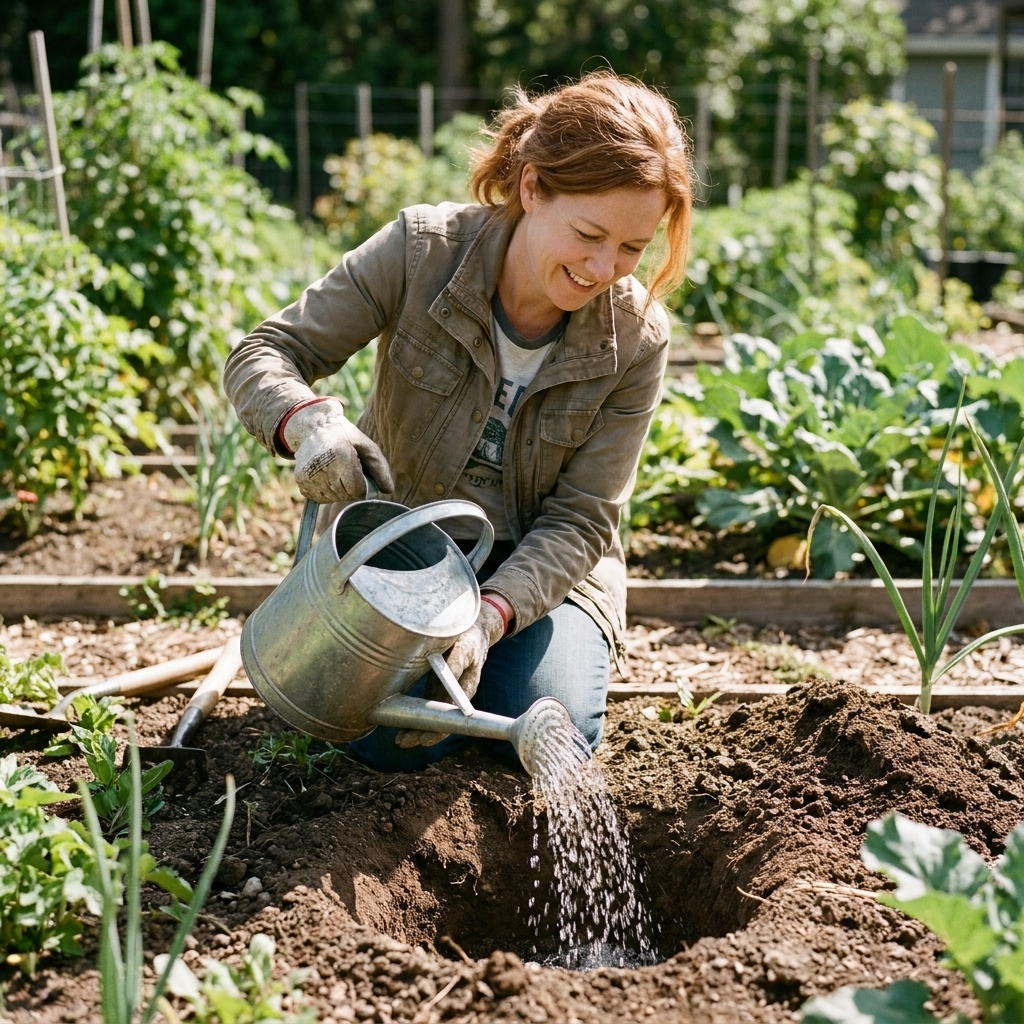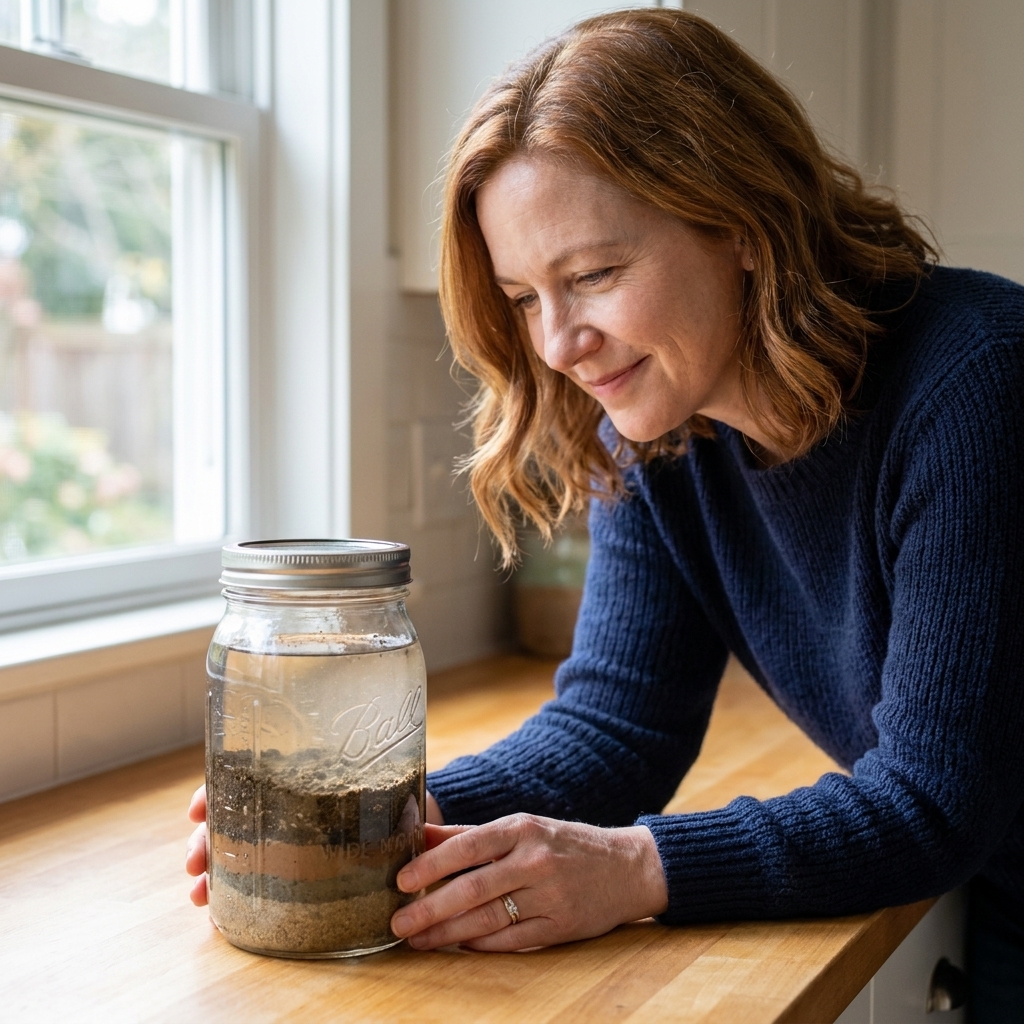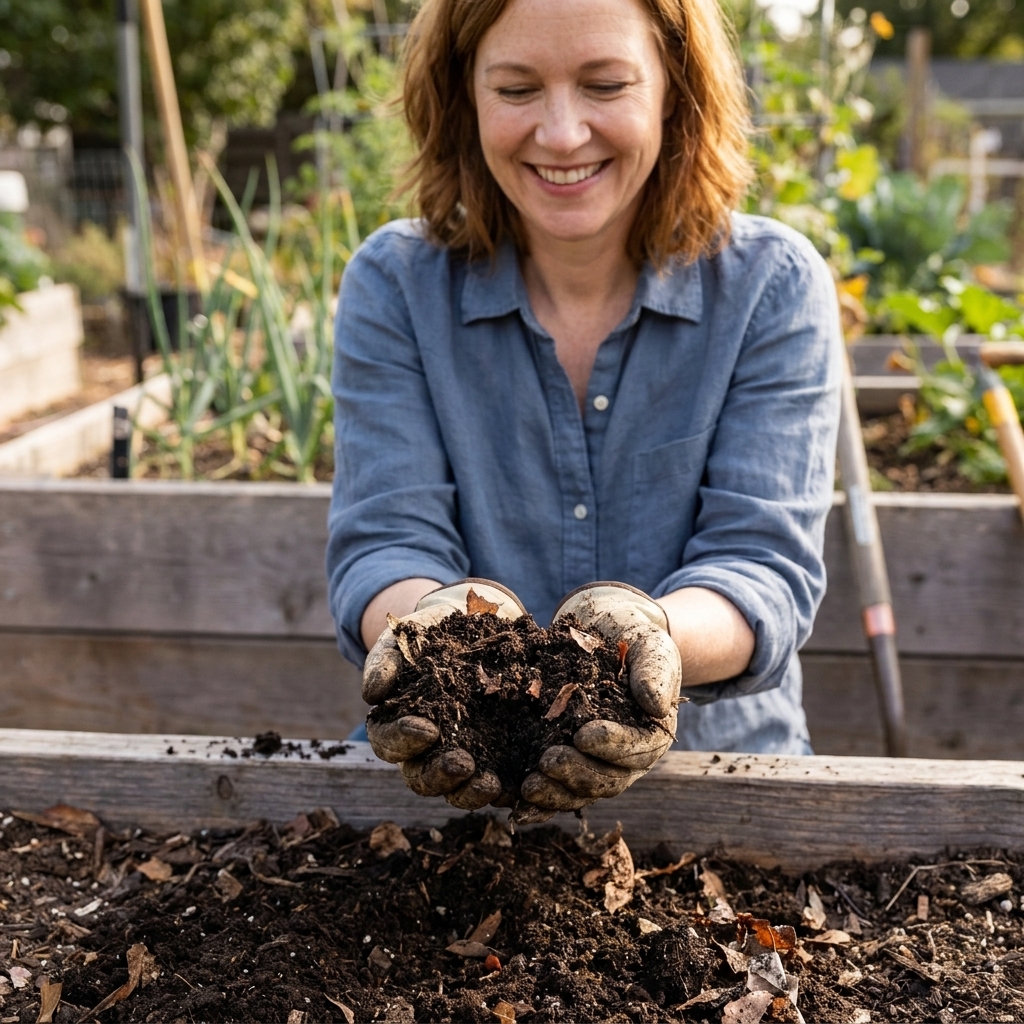
When I first started gardening, I blamed my sad tomato plants on everything except the real culprit: my soil. That yard was packed clay that dried like brick, then turned slick and airless the second it got wet. Compost helped a lot, but I still needed air spaces in the mix so roots could breathe and water could move.
That is where mineral amendments come in. Perlite, vermiculite, and pumice are the three I reach for most often to prevent compaction, improve drainage, and hold moisture without staying waterlogged. They are not interchangeable, though. Pick the wrong one and you can end up with soggy pots or beds that dry out too fast.
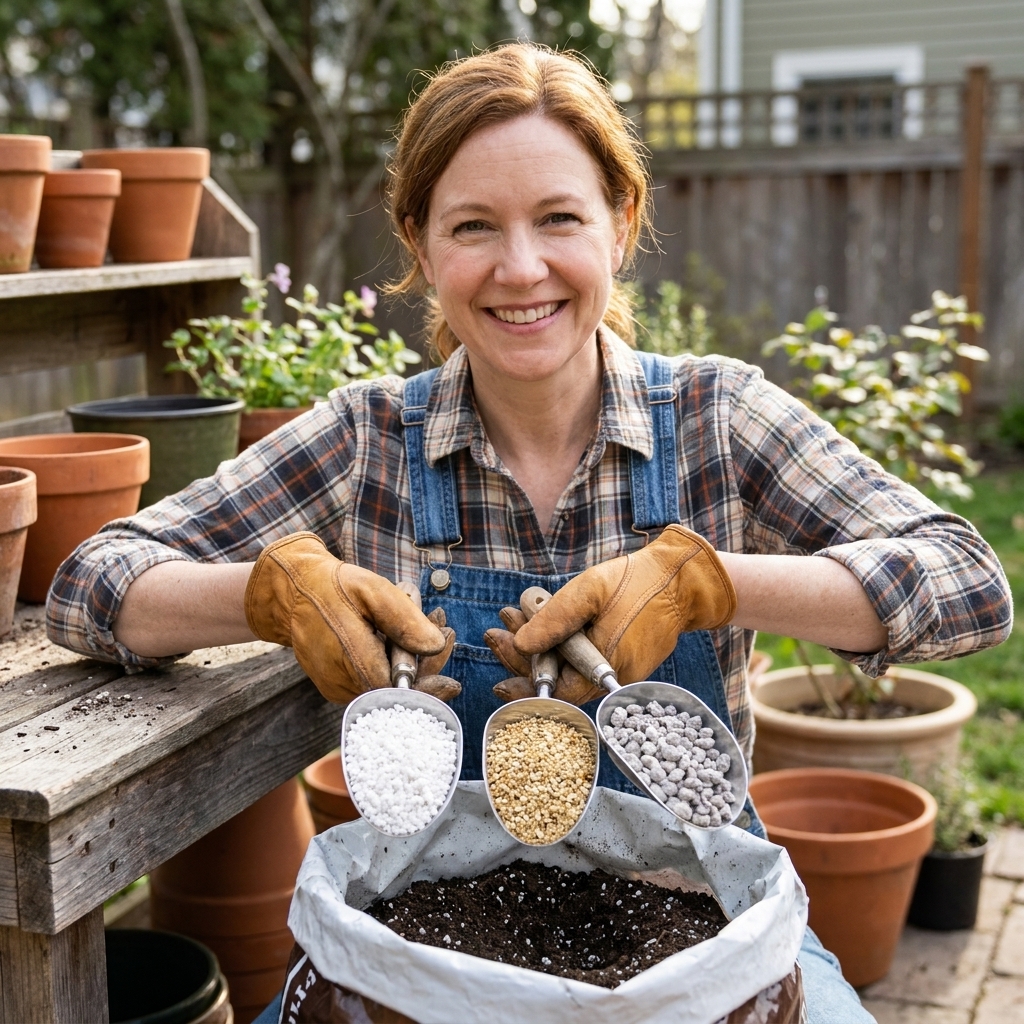
What soil aeration means
Aeration is just a fancy way of saying your soil has enough pores, both big and small, for roots to get oxygen and for water to drain instead of pooling.
- Big pores help drainage and keep roots from sitting in water.
- Small pores hold moisture so plants do not dry out the minute the sun comes out.
Compost builds a healthy soil structure over time, but mineral amendments can give you an immediate texture fix, especially in containers or brand-new beds.
Quick comparison
| Amendment | Best at | Holds water? | Weight | Best for |
|---|---|---|---|---|
| Perlite | Fast drainage, air pockets | Low to moderate | Very light | Seed starting, houseplants, container mixes that stay too wet |
| Vermiculite | Moisture retention, gentle aeration | High | Light | Seed starting, moisture-loving plants, mixes that dry out too quickly |
| Pumice | Durable aeration, long-term structure | Moderate | Heavier | Cacti and succulents, outdoor containers, raised beds, windy patios |
Perlite
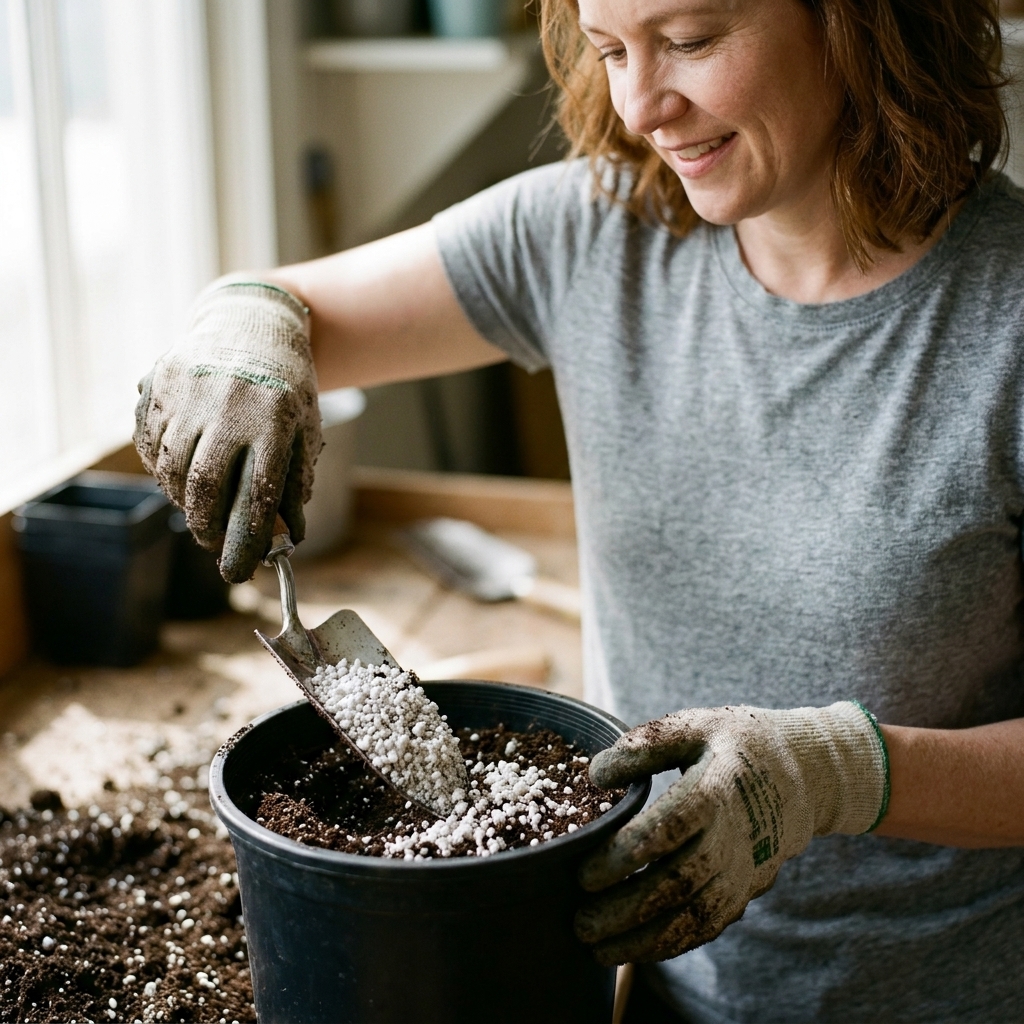
Perlite is that bright white, popcorn-looking material in potting mixes. It is expanded volcanic glass that has been heated until it puffs. The big win is that it creates lots of air space with very little weight.
When perlite shines
- Pots that stay wet, especially plastic pots or indoors where evaporation is slow
- Seed starting mixes when you want fluffiness and easy root growth
- Cuttings and propagation blends (often mixed with coco coir or peat)
- Houseplants that hate “wet feet” like pothos, hoya, and many aroids
What to watch out for
- It floats and migrates. In heavy rain or frequent top watering, perlite can work its way upward.
- It can dry out fast. Great for drainage, not great if you already struggle to keep pots watered.
- Dust. Always moisten perlite before mixing to avoid breathing the fine particles.
My rule of thumb: If you are battling soggy soil, perlite is usually the fastest fix and, in many areas, one of the most affordable.
Vermiculite
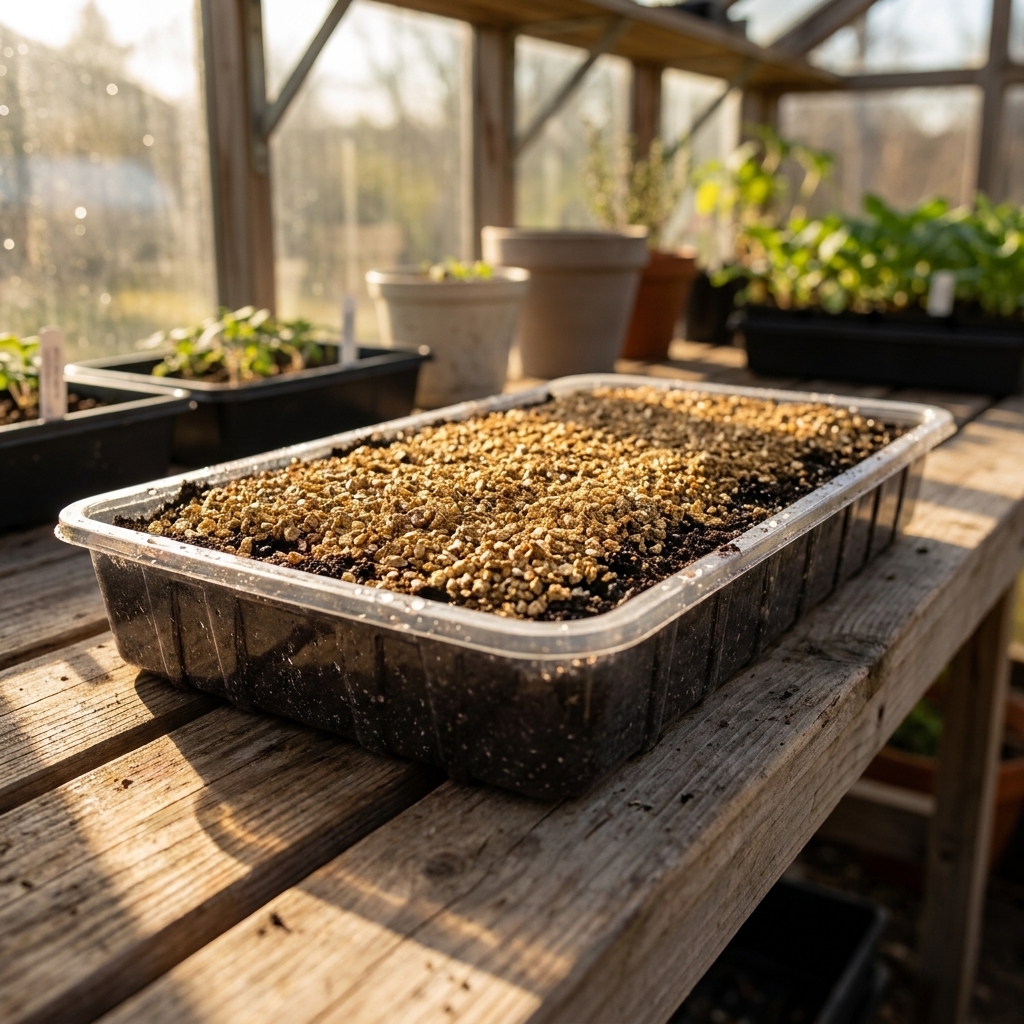
Vermiculite starts as a mica-like mineral that expands into light, layered flakes when heated. Those layers hold water like a sponge and can hold onto some nutrients in the mix, which is helpful in seed-starting setups where you are watering often.
When vermiculite is best
- Seed starting when you need even moisture and gentle structure around tiny roots
- Plants that like consistent moisture, like basil, parsley, lettuce, and many tropical houseplants
- Mixes that keep drying out too quickly, especially in terracotta pots or hot, sunny windows
What to watch out for
- Too much can keep mixes wet. In containers, that can invite fungus gnats and root rot.
- It can compress over time, especially in outdoor pots that get soaked and baked repeatedly.
- Dust and sourcing. Like perlite, vermiculite can be dusty, so dampen it before mixing. Buy horticultural-grade vermiculite from reputable brands.
My rule of thumb: If you are a forgetful waterer or your seed trays crust over by lunchtime, vermiculite is your friend. If you tend to overwater, skip it.
Pumice
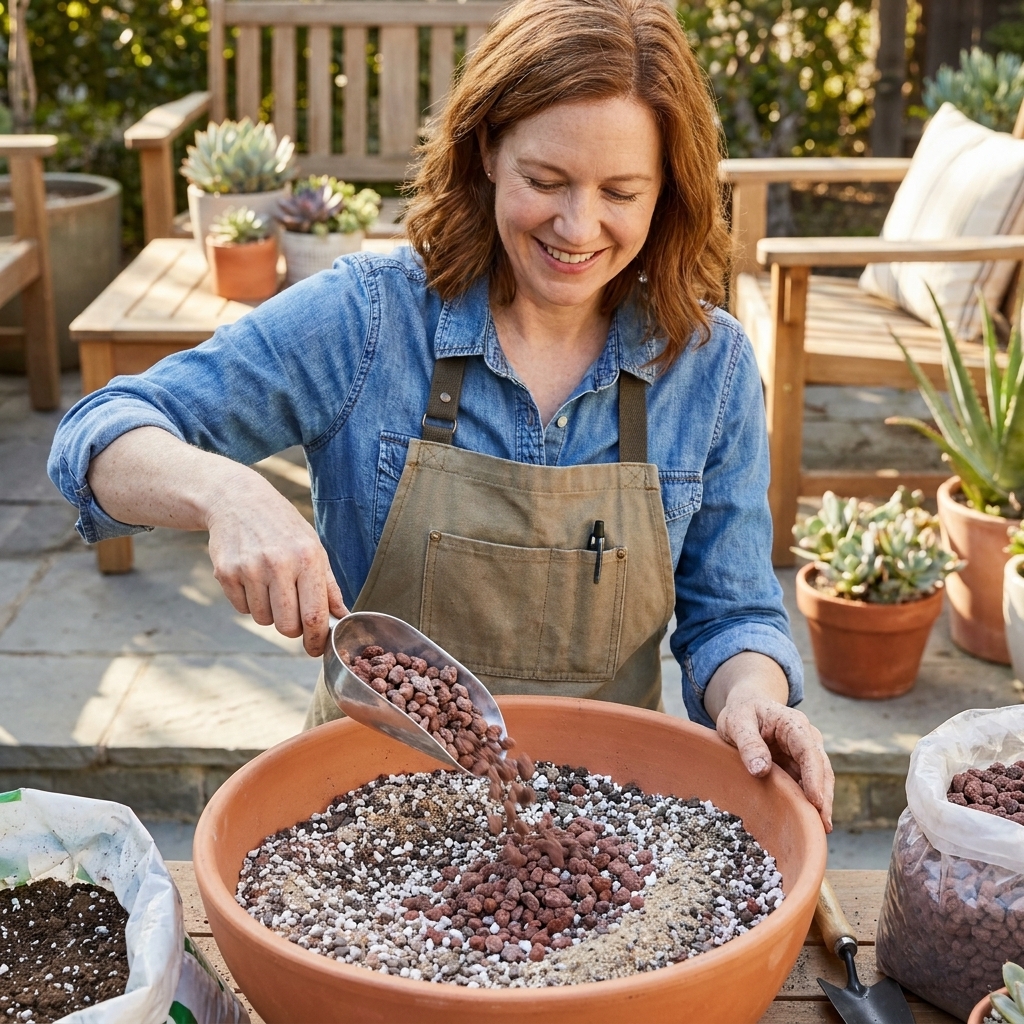
Pumice is a porous volcanic rock. Unlike perlite, it is heavier and does not float, which makes it my go-to for outdoor containers and any mix that gets watered hard or rained on.
When pumice is worth it
- Cacti and succulents, where you want air around roots without the mix turning into a dry dust bowl
- Outdoor pots and raised beds that need structure that lasts
- Windy balconies and patios where super-light mixes blow around
- Mixes you want to re-use season after season, since pumice breaks down very slowly
What to watch out for
- It is heavier. Great for stability, not great if you are hauling pots up stairs.
- It can be pricier or harder to find depending on your region.
My rule of thumb: If you want “set it and forget it” aeration, pumice wins.
How to choose
If your soil is heavy clay
First, a quick clay-soil truth: none of these minerals can replace organic matter. Compost is still step one. After that, mineral amendments can help keep the surface from sealing and improve pore space, but only if you use enough to matter and mix it in well.
In beds, that can mean surprisingly large volumes. For most gardens, you will get the biggest payoff from compost, mulch, deep-rooted plants, and time, then a modest mineral add-on where compaction is chronic.
- Best pick: Pumice for longer-lasting structure, especially in beds and outdoor planters.
- Also works: Perlite in small amounts for containers, but it may migrate upward outdoors.
- Usually skip: Vermiculite, because clay already holds plenty of water.
If your soil is sandy and dries out fast
- Best pick: Vermiculite to help hold moisture and nutrients in the root zone.
- Also works: Compost, leaf mold, and a thick mulch layer.
- Use cautiously: Perlite or pumice, since they can increase drainage even more.
If you are mixing soil for containers
- Houseplants that rot easily: Perlite or pumice.
- Thirsty annuals and herbs: A little vermiculite can smooth out your watering schedule.
- Outdoor planters that get storms: Pumice stays put and keeps air pockets open.
If you are starting seeds
You can start seeds without any of these, but they make life easier.
- Most forgiving: Vermiculite for even moisture.
- For extra airiness: Perlite mixed in, which can help indirectly by improving airflow and reducing saturation around stems.
How much to use
Exact recipes vary by plant and climate, but these ranges will keep you out of trouble.
Containers
- Perlite: 10 to 30 percent of the mix by volume
- Vermiculite: 10 to 20 percent (less if you tend to overwater)
- Pumice: 10 to 30 percent (up to 50 percent for cacti and succulents)
Raised beds and in-ground beds
Mineral amendments get expensive fast at bed scale. If you are improving a whole bed, I focus on compost first, then add a modest amount of pumice if the soil seals and compacts. If you want a dramatic change in clay texture, plan on a bigger, multi-season strategy rather than expecting a few bags of mineral amendment to do the whole job.
- Pumice: 5 to 15 percent of the amended top layer is plenty for many gardens
- Perlite: Often not cost-effective for beds, but fine in small problem areas
Mixing tip: Always dampen dusty amendments first, then blend thoroughly. Dry pockets can repel water at first and create uneven wet and dry zones.
One nerdy detail that matters
Particle size changes performance. Coarse perlite and coarse pumice hold bigger air gaps, which is what most succulents want. Finer grades tuck into the mix and hold more moisture, which can be great for seeds and thirsty plants.
Common mistakes
- Trying to fix drainage without fixing structure. If you are not adding compost, you are fighting an uphill battle.
- Using vermiculite in already-wet situations. It can turn “slightly damp” into “never dries.”
- Adding perlite to outdoor pots that get heavy rain. It can float and end up concentrated at the top.
- Assuming more is better. Too much mineral amendment can reduce water and nutrient holding, especially if you also use a low-compost mix.
With compost
This is Compost Grove, so here is my favorite way to think about it: compost is the pantry, and these minerals are the shelves and airflow that help your roots use what is in that pantry.
- Compost adds nutrients, microbes, and moisture-holding humus.
- Perlite adds big air pockets and quick drainage.
- Vermiculite buffers moisture swings and can help hold onto nutrients in a seed-starting mix.
- Pumice adds durable pore space and weight for stable, long-term structure.
If I had to pick one combo for most home gardeners: compost plus pumice for outdoor durability, and compost plus perlite for indoor pots that run wet.
FAQ
Is pumice better than perlite?
Not always. Pumice is more durable and stays put, which is great outdoors. Perlite is lighter and often cheaper, which is great for houseplants and seed mixes. “Better” depends on whether you need stability or maximum lightness.
Can I use vermiculite for succulents?
I usually do not. Succulents want a mix that dries reliably. Vermiculite holds water for a long time, so it can keep succulent roots damp.
Do these amendments add nutrients?
Not in a meaningful way for fertility. Vermiculite can hold onto some nutrients in the mix, but you still need compost, fertilizer, or both to feed plants.
Are there alternatives if I cannot find pumice?
For grit and drainage, some gardeners use lava rock or horticultural grit. For lightweight aeration, perlite is the most common substitute. Just match the amendment to your watering habits and the plant.
What about gypsum for clay?
Gypsum is sometimes recommended for certain sodic clays, where sodium is part of the problem. It is not a universal fix for typical heavy garden clay, so I treat it as a targeted tool, not a default amendment.
My quick picker
- Choose perlite when you want airy, fast-draining potting soil and you tend to overwater.
- Choose vermiculite when you need steady moisture for seeds or plants that hate drying out.
- Choose pumice when you want long-lasting structure, outdoor durability, and a mix that does not float away.
If you tell me what you are growing and whether you are working with pots, raised beds, or stubborn clay, I can help you dial in a simple mix that fits your garden and your schedule.