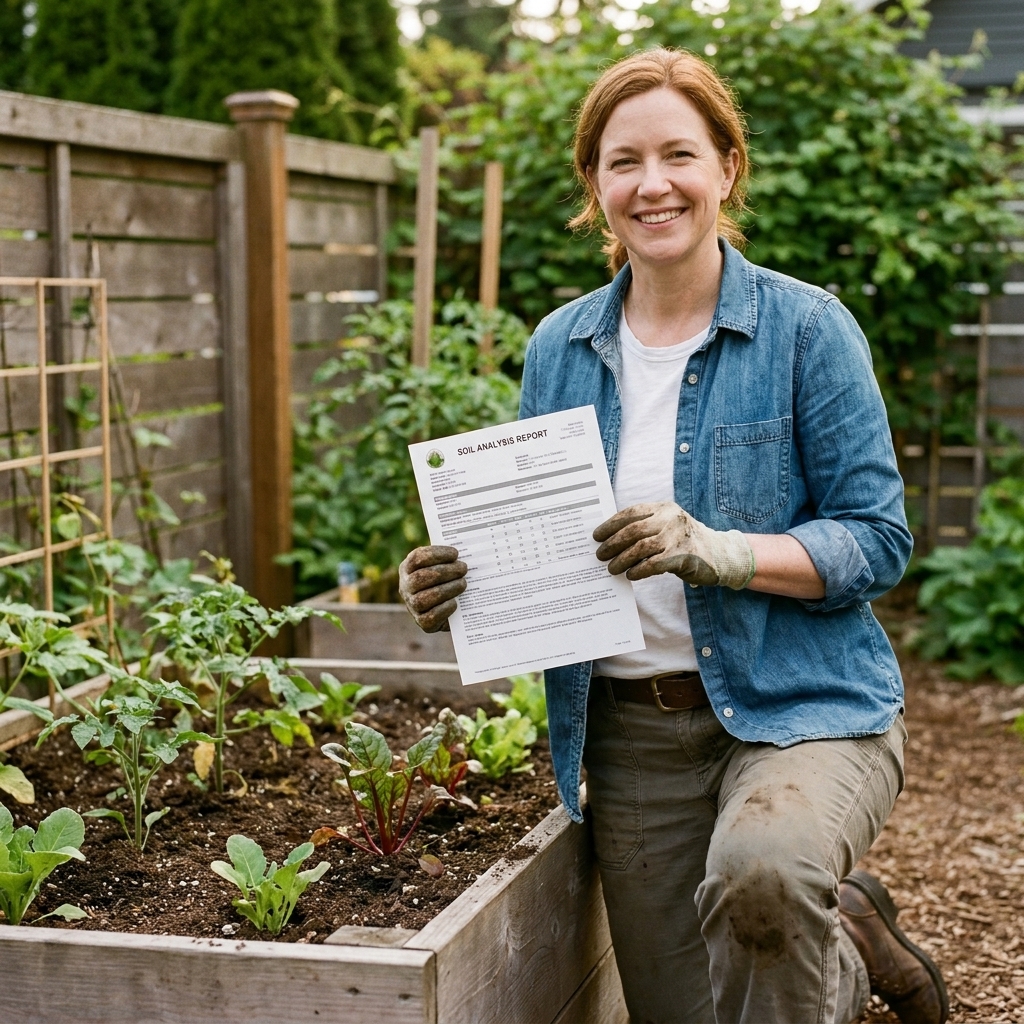
My gardening origin story is not glamorous. Twelve years ago I tried to grow vegetables in a yard full of compacted clay. The tomatoes stayed tiny, the peppers sulked, and I spent the whole summer blaming my “black thumb.” Turns out, my thumb was fine. My soil was the problem.
What changed everything was learning about soil organic matter, often shortened to SOM. If you have ever wondered why one garden bed looks like rich chocolate cake while another acts like a brick, SOM is a big part of the answer.
What soil organic matter is
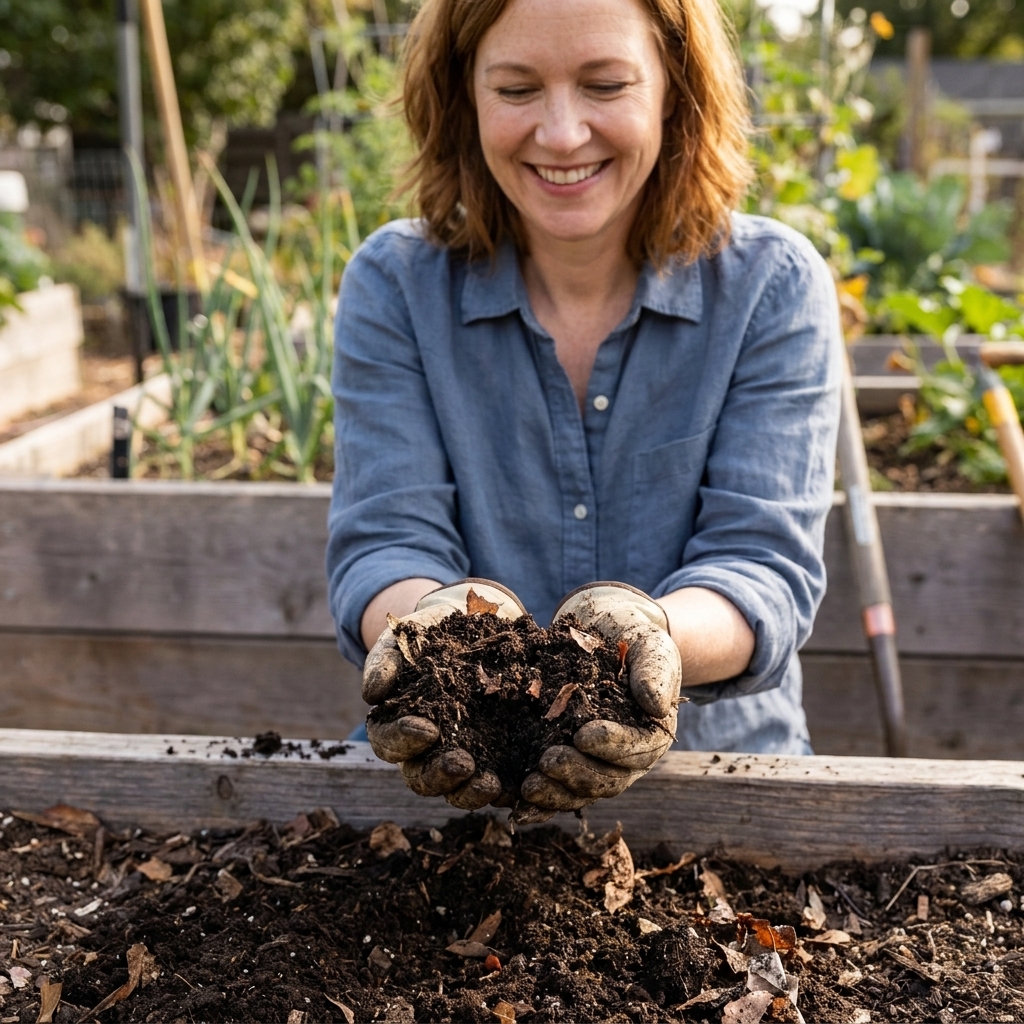
Soil organic matter is the organic portion of soil made from living things and once-living things. It is not just compost, and it is not just dead leaves. It is a whole mix that includes:
- Living biology: bacteria, fungi, protozoa, nematodes, earthworms, insects, and plant roots
- Fresh residues: recently added leaves, grass clippings, kitchen scraps, mulch, cover crops
- Partly decomposed material: that “in between” stage where you can still kind of tell what it used to be
- More stable organic matter: dark, complex compounds that stick around longer and help build soil structure, what gardeners often call humus
One important nuance: when you send soil to a lab, the “organic matter” number is usually an estimate based mostly on non-living organic material (or organic carbon proxies). It does not directly count every earthworm and microbe, even though that living community is tied closely to SOM in real life.
Think of SOM as the soil’s savings account. Some deposits are quick to spend (fresh plant bits that break down fast). Others are long-term savings (more stable organic matter that supports your soil for years).
Why SOM matters
Gardeners love SOM because it makes soil look good, but it also does real work underground. Here is what it does in plain language.
It improves structure
As organic matter breaks down, it helps soil particles clump into stable crumbs called aggregates. Aggregates create pore spaces for air and water. In heavy clay, SOM can help loosen and open it up over time. In sandy soil, it helps hold things together.
It helps with water
Organic matter acts like a sponge. More SOM generally means your soil can hold more moisture between waterings. It can also improve infiltration and drainage by supporting better structure, but if your soil is severely compacted or you have a hardpan layer, SOM alone might not solve standing-water problems.
It stores and cycles nutrients
When microbes break down organic materials, nutrients are released in plant-available forms. SOM also helps hold onto nutrients so they do not wash away as easily. This is one reason beds with steady compost and mulch often need less fertilizer over time.
It feeds the soil food web
Plants do not grow in “dirt,” they grow in an ecosystem. SOM is the base of that ecosystem. More organic matter usually means a bigger, more resilient community of microbes and beneficial soil critters.
It can buffer pH a bit
Organic matter can help modestly buffer small pH swings and reduce plant stress during drought and heavy rain. It is not magic, and minerals like clay and carbonates often play a bigger buffering role, but it is still an advantage.
Fresh carbon vs stable carbon
Because composting is my love language, I have to talk about carbon. SOM is largely about carbon cycling.
When you add organic material, soil organisms eat carbon for energy. As they work, a chunk of that carbon is released back into the air as carbon dioxide, and a smaller portion becomes more stable organic matter in the soil.
This is why SOM is usually built slowly. You are always adding carbon, and nature is always spending it. The goal is to tip the balance so your soil builds a bigger and bigger reserve over time.
Good carbon inputs
- Finished compost: gentle, reliable, and easy to spread
- Leaf mold: slow, fungal-rich goodness that improves structure
- Mulch (leaves, straw, wood chips in paths): protects soil and feeds it gradually
- Cover crops: living roots plus biomass you can chop and drop
- Root leftovers: roots are a sneaky, powerful way to build SOM because they feed microbes right where aggregates form
A quick wood-chip note: wood chips are fantastic as a surface mulch or in paths. If they get mixed into the soil, they can temporarily tie up nitrogen as they break down, so keep them on top and plant into compost or soil beneath.
Good SOM numbers
SOM is usually reported as a percentage on a soil test (percent organic matter by weight). Ideal ranges depend on climate, soil type, and how intensively you garden. Native soils can also vary wildly by region (prairie soils, forest soils, desert soils), so think of these as practical home-garden guideposts, not universal grades:
- Under 2%: soil often struggles with water holding, structure, and fertility
- 2 to 4%: workable baseline, common in many yards and newer beds
- 4 to 6%: strong garden soil range for many vegetable beds
- 6% and up: can be excellent, especially for intensively managed beds, but very high organic matter in small raised beds can sometimes go along with nutrient imbalances
If you are gardening in a hot climate, SOM is harder to bank because decomposition runs fast for more months of the year. In colder climates, SOM can build more readily. Either way, steady habits beat heroic one-time amendments.
How to test SOM
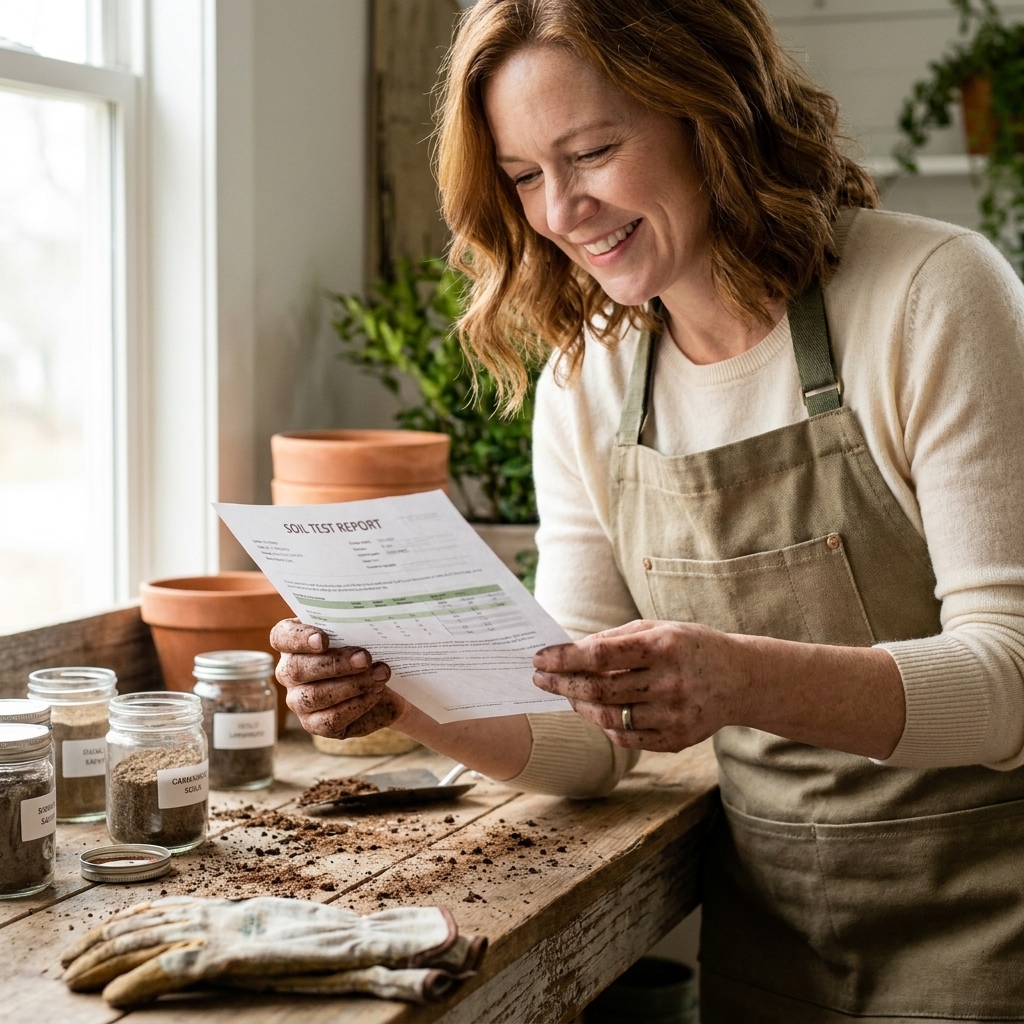
The simplest path is to run a standard lab soil test that includes organic matter. Many university extension labs and private labs offer it.
Pick the right test
Labs may measure organic matter using different methods. Two common ones are:
- Loss-on-ignition (LOI): soil is heated and weight loss is used as a proxy for organic matter
- Wet oxidation methods: use chemicals to estimate organic matter or organic carbon
LOI can read a bit high in some soils, and different methods do not always match perfectly. The big rule for tracking change is still: use the same lab and the same method each time.
Sample the same season
SOM can wiggle seasonally, especially in gardens that get compost and mulch. For the cleanest comparisons, sample in the same month each year, or at least the same season.
Sample before compost
If you top-dress with compost in spring, take your soil sample before you spread it. Fresh additions near the surface can inflate results and make year-to-year numbers messy.
Sample the right depth
Follow your lab or extension guidance on sampling depth (often 0 to 6 inches for gardens, sometimes 0 to 8). What matters most is consistency. If you test 6 inches one year and 3 inches the next, the numbers are not comparable.
Take multiple cores
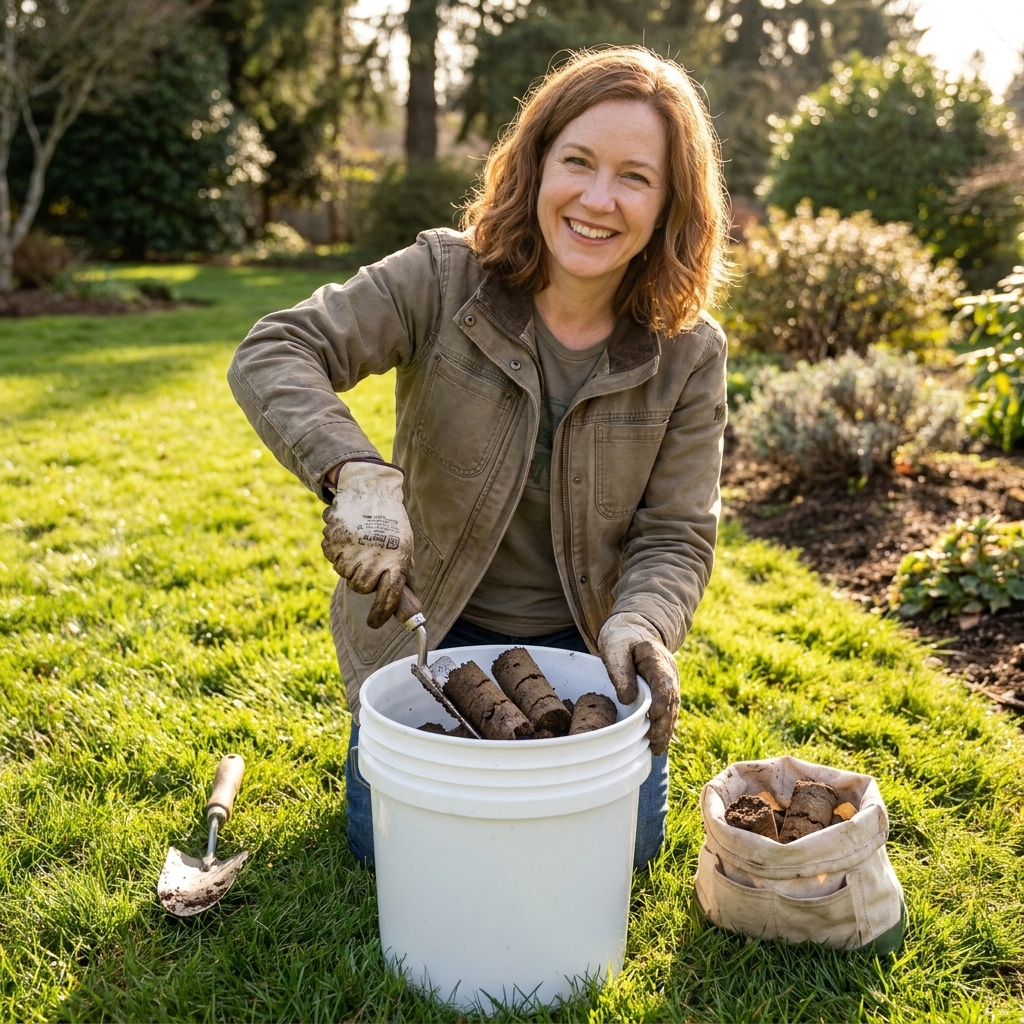
Do not scoop one spot and call it “the bed.” Take 8 to 12 small samples across the area, mix them in a clean bucket, and send a representative portion to the lab.
How to track SOM
I love a good notebook, but you do not need a lab coat to track progress. Here is a simple system that works.
1) Record your baseline
Write down your starting organic matter percentage, plus the date, bed location, sampling depth, and the lab name.
2) Re-test on a realistic schedule
SOM usually changes slowly. For most home gardens, testing every 1 to 2 years is plenty. Annual testing is helpful if you are actively rebuilding poor soil or trying a major change like cover cropping.
Also, do not panic over tiny year-to-year shifts. OM tests have some built-in noise, so it is smarter to watch for multi-year trends than to obsess over a few tenths of a percent.
3) Track your inputs
If your SOM does not budge one year, your notes can explain why. Keep a simple log like:
- How many inches of compost you applied
- Mulch type and thickness
- Whether the bed was kept planted or left bare
- Any tilling or major digging
- Big weather events (drought, flooding rains)
4) Pair SOM with “feel” tests
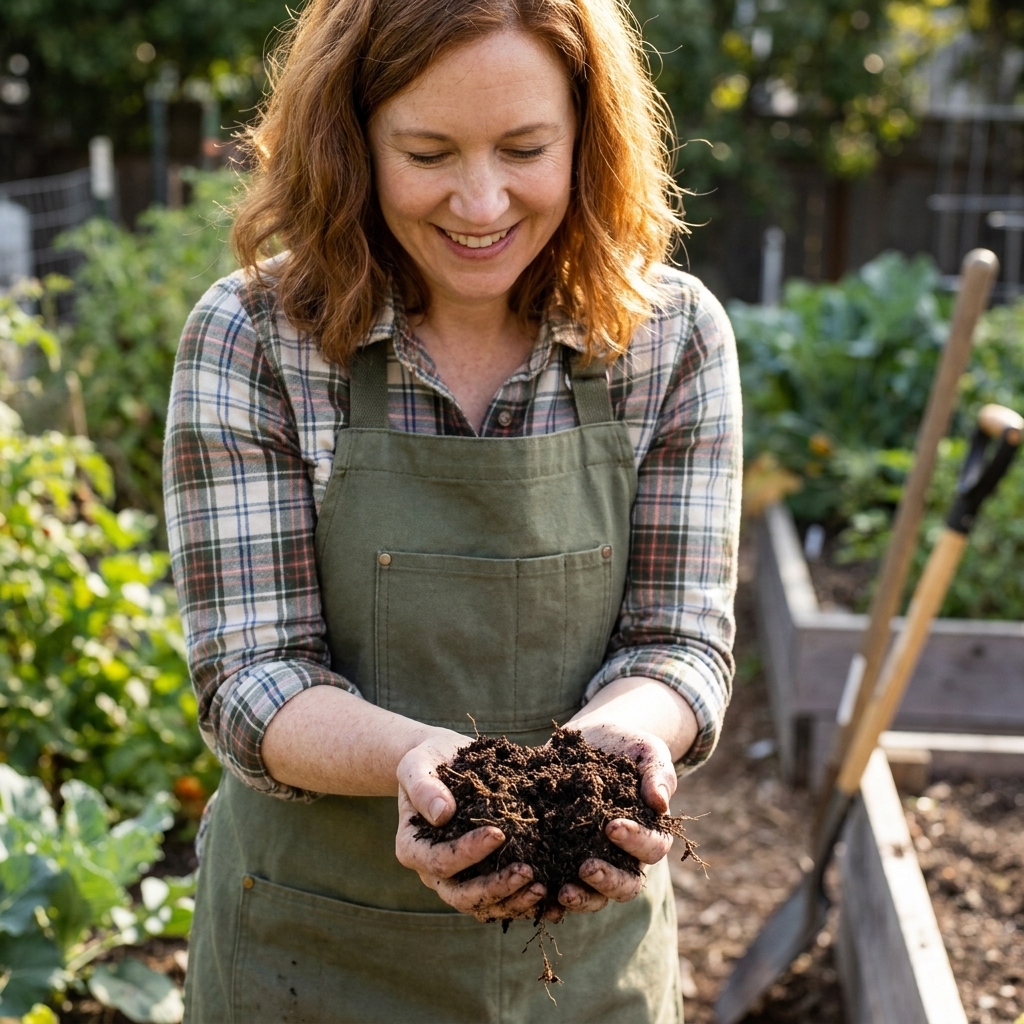
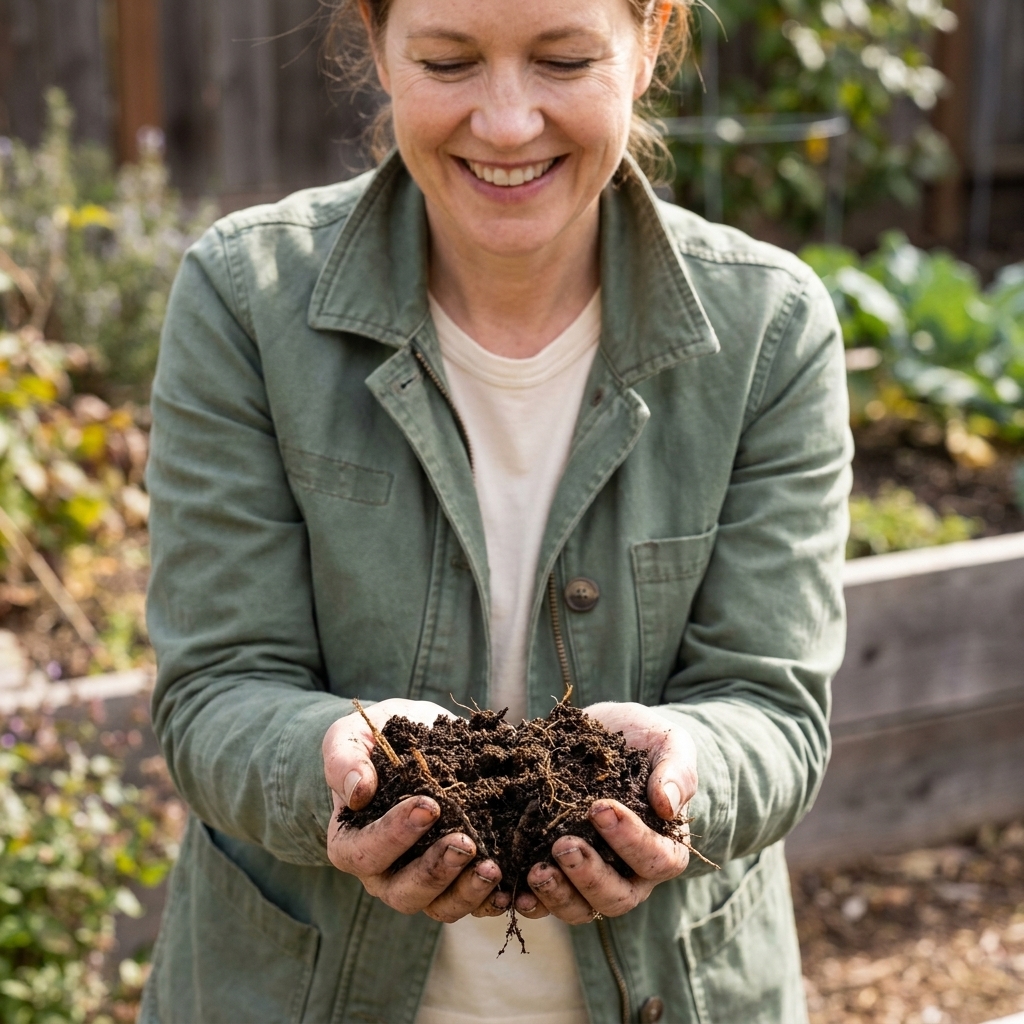
Lab numbers are great, but soil health shows up in your hands. Watch for:
- Better tilth: soil crumbles instead of smearing
- More earthworms: especially under mulch
- Less crusting on the surface after rain
- More even moisture between waterings
How to build SOM
The best strategy is boring in the best way: add organic matter, keep soil covered, keep roots growing, and disturb it less.
Top-dress with compost
For most beds, a half-inch to one-inch layer of finished compost once or twice a year is a sweet spot. More is not always better, especially in small raised beds where nutrients can build up too fast. If you rely heavily on compost, it is worth doing periodic soil tests that include phosphorus, plus salts if your lab offers it.
Mulch like you mean it
Bare soil burns organic matter away faster. A simple leaf mulch, straw, or shredded bark protects the surface, moderates temperature, and feeds soil life as it breaks down.
Use cover crops
Even a short cover crop window helps. The roots are doing quiet, powerful work building aggregates and feeding microbes. If cover crops feel like too much, start with an easy one for your season and climate, then expand from there.
Disturb soil less
Turning soil can speed up decomposition by adding lots of oxygen and breaking apart aggregates. Sometimes you truly need to dig, especially when starting a new bed, but for ongoing maintenance, consider loosening gently and adding organic matter from the top.
Leave roots in place
When I harvest, I often cut plants at the soil line and leave the roots to break down in place, especially for things like beans, peas, and spent greens. It is free organic matter right where you want it.
Watch your sources
Most compost, manure, hay, and straw are perfectly fine, but a quick caution can save you a season of frustration. Some materials can carry persistent herbicide residues, and some municipal composts can be higher in salts or contain trace contaminants. Source amendments from reputable suppliers when you can, and consider doing a small test patch if you are trying a new bulk input for the first time.
What SOM cannot fix alone
SOM is powerful, but it is not a magic wand. If you are dealing with serious compaction, poor infiltration, or a tight subsoil layer, you may also need:
- Deep-rooted cover crops (like daikon radish or grasses) to open channels
- Gentle aeration and fewer passes with heavy equipment on wet soil
- Raised beds or added soil depth in chronically wet spots
- Time, because structure rebuilds in seasons, not afternoons
Common myths
Myth: Dark soil always means high organic matter
Often it does, but not always. Some soils are naturally darker due to mineral content. The lab test keeps you honest.
Myth: Adding sand to clay fixes structure
In many home garden situations, adding sand to clay can make a concrete-like texture if the proportions are not right. Organic matter is usually the safer, more forgiving route.
Myth: More compost is always better
Compost is wonderful, but piles of it year after year can lead to excess phosphorus or overly rich soil that grows lush leaves and fewer fruits. Thin, consistent applications paired with mulch and living roots tend to age better.
Myth: You can build SOM fast
You can improve how soil behaves fairly quickly, especially with compost and mulch. But longer-lasting SOM gains are typically measured in seasons and years, not weekends.
When SOM is not rising
- Your soil is bare a lot: add mulch and keep something growing as often as you can.
- You live where it is hot and decomposition is fast: expect slower gains and focus on constant cover and frequent small inputs.
- You are tilling regularly: reduce disturbance and top-dress instead.
- You are only adding greens: include tougher, more carbon-rich materials like leaves, straw, or woody mulches in paths.
- Your test results are not comparable: different labs, different sampling depths, or sampling right after composting can mask true trends.
FAQ
Is SOM the same as compost?
No. Compost is an amendment you add. SOM is the total pool of living and decomposing organic material in your soil, including more stable forms formed over time.
What is organic matter vs organic carbon?
Organic carbon is the carbon portion of organic matter. Some labs report percent organic carbon, others report percent organic matter. They are related but not identical, so stick with one measurement type for tracking.
Can I test SOM at home?
You can learn a lot from texture, earthworms, infiltration, and how your soil holds moisture, but a true SOM percentage is best measured by a lab. If you want a number you can track year to year, send a sample in.
How long until I see results?
You may feel improvements in structure and moisture within a season if you start mulching and adding compost. Measurable increases in SOM percentage often take 1 to 3 years or more, and small changes can be hard to separate from normal test-to-test variation. That is why multi-year trends matter.
The takeaway
If you want rich, productive soil, focus less on quick fixes and more on building soil organic matter like a steady habit. Add organic inputs, keep soil covered, keep roots in the ground, and test the same way over time. Your garden will pay you back in fewer problems, stronger plants, and that crumbly “I could grow anything in this” kind of dirt.