Twelve years ago, my first vegetable garden was basically a clay brick with a tomato cage stuck in it. I did what a lot of new gardeners do: I started tossing “good sounding” amendments at the problem. Some helped. Some made things worse. The big lesson was this: gypsum and garden lime are not interchangeable, even though they both get talked about as “calcium.”
If you remember just one thing from this page, make it this: lime changes pH. gypsum usually does not. That one difference decides which bag you should bring home.
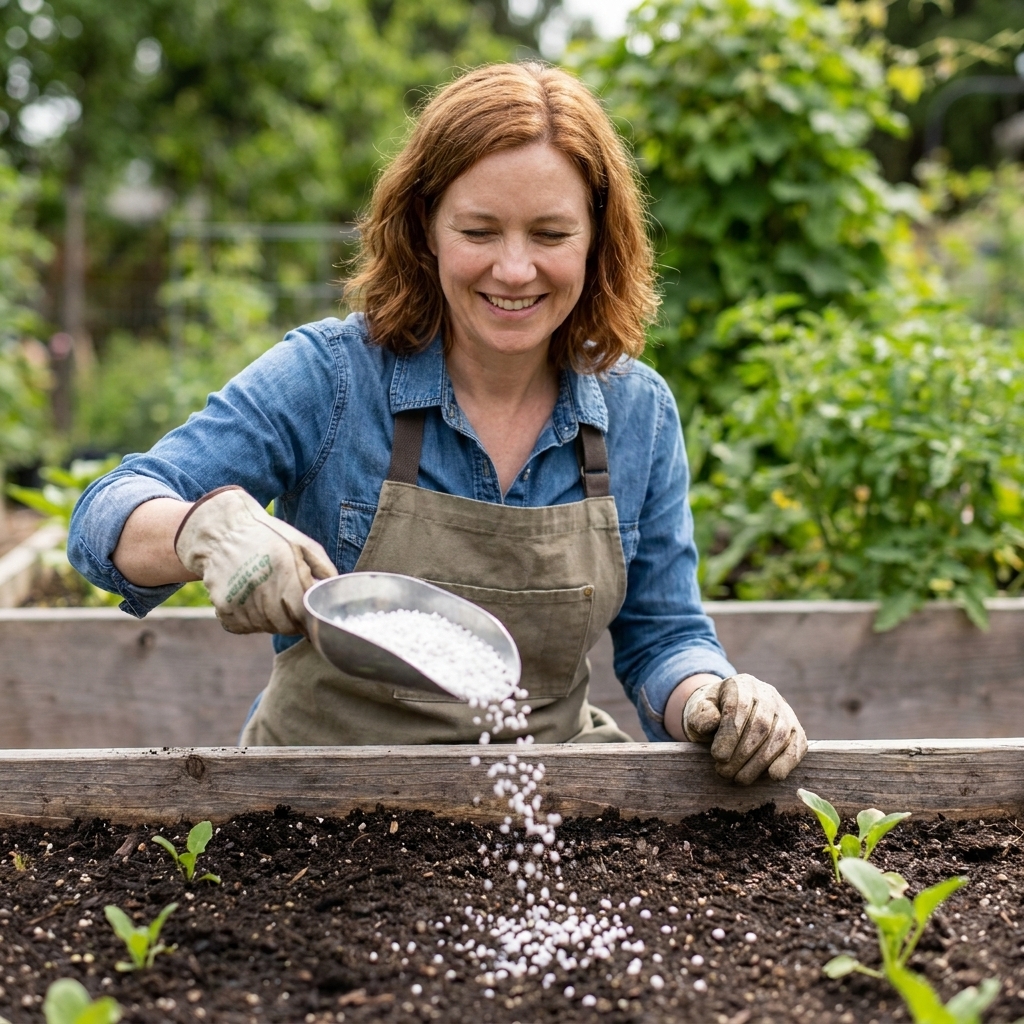
What gypsum and lime are
Gypsum
Gypsum is calcium sulfate (usually sold as calcium sulfate dihydrate). It supplies calcium (Ca) and sulfur (S). In home garden terms, gypsum is best known for helping with soil structure in sodic soils (where sodium is the real problem), and for adding calcium without raising pH.
Garden lime
Garden lime is usually calcium carbonate (often called calcitic lime). It supplies calcium and it neutralizes acidity, meaning it raises soil pH over time.
You may also see dolomitic lime, which is calcium magnesium carbonate. It raises pH too, while also adding magnesium.
Quick label check: most garden limes are carbonate-based, but some products marketed as “lime” are hydrated lime (calcium hydroxide), which is much stronger and caustic. For garden soil pH correction, you typically want agricultural lime (carbonate). If the label says “hydrated” or “hydroxide,” pause and make sure it is actually what you intended to buy.
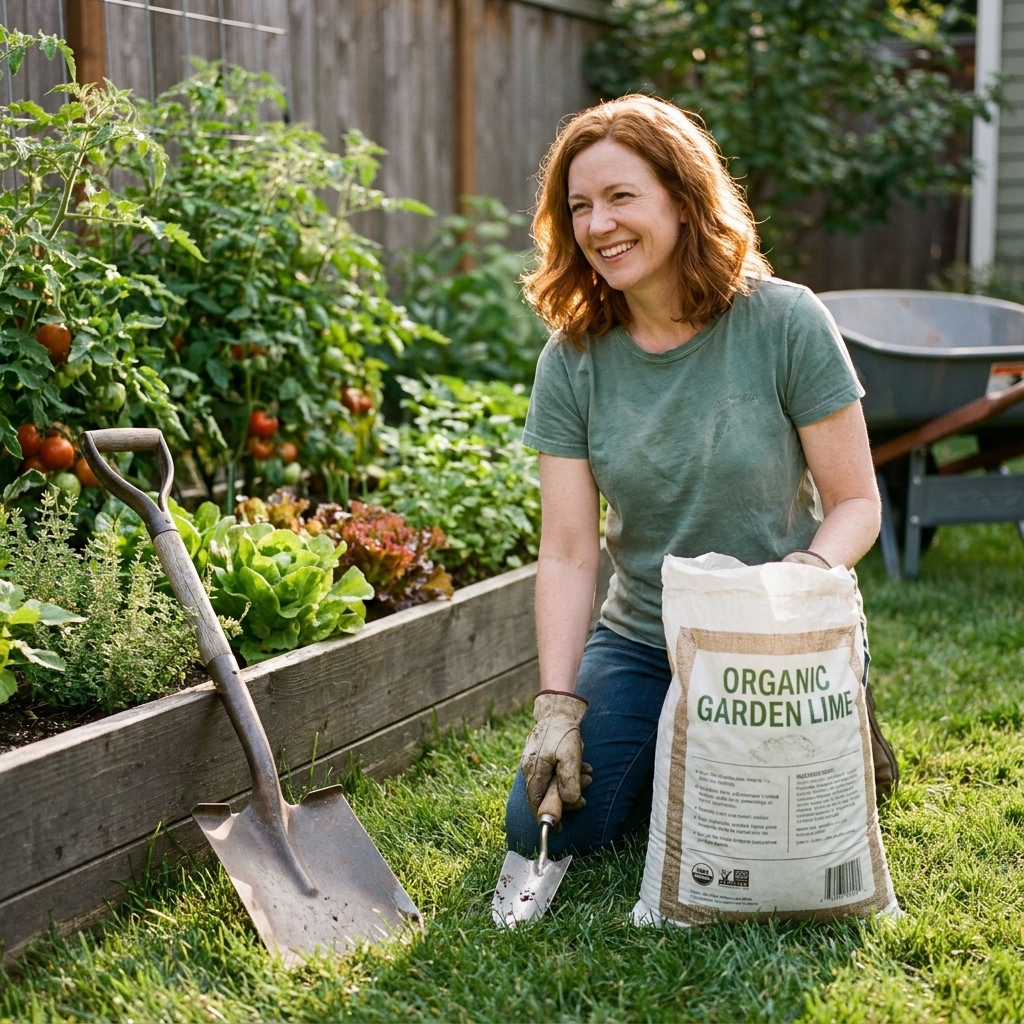
First question: do you need pH higher?
This is the fork in the road.
- If your soil pH is low (acidic) and your soil test recommends lime, use lime.
- If your pH is already where you want it and you just need calcium (or sulfur), gypsum is often the safer choice.
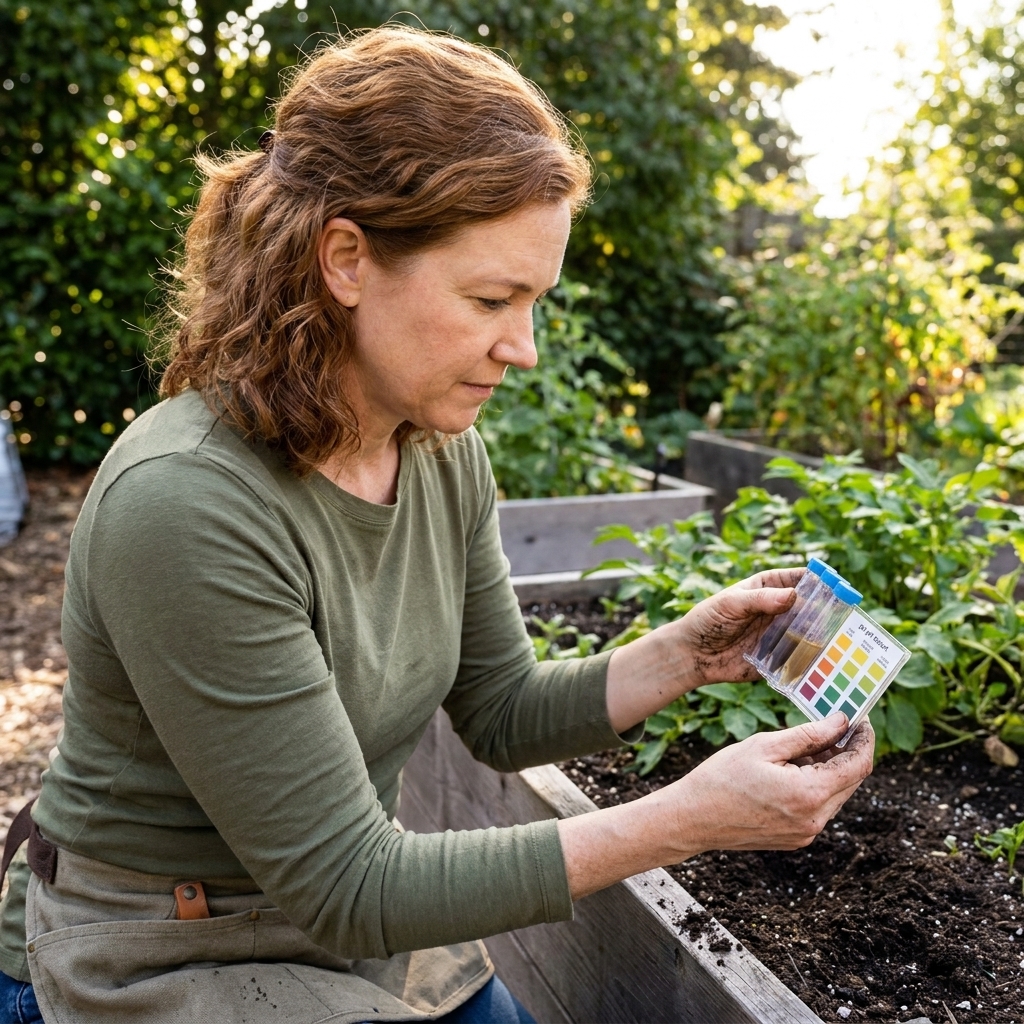
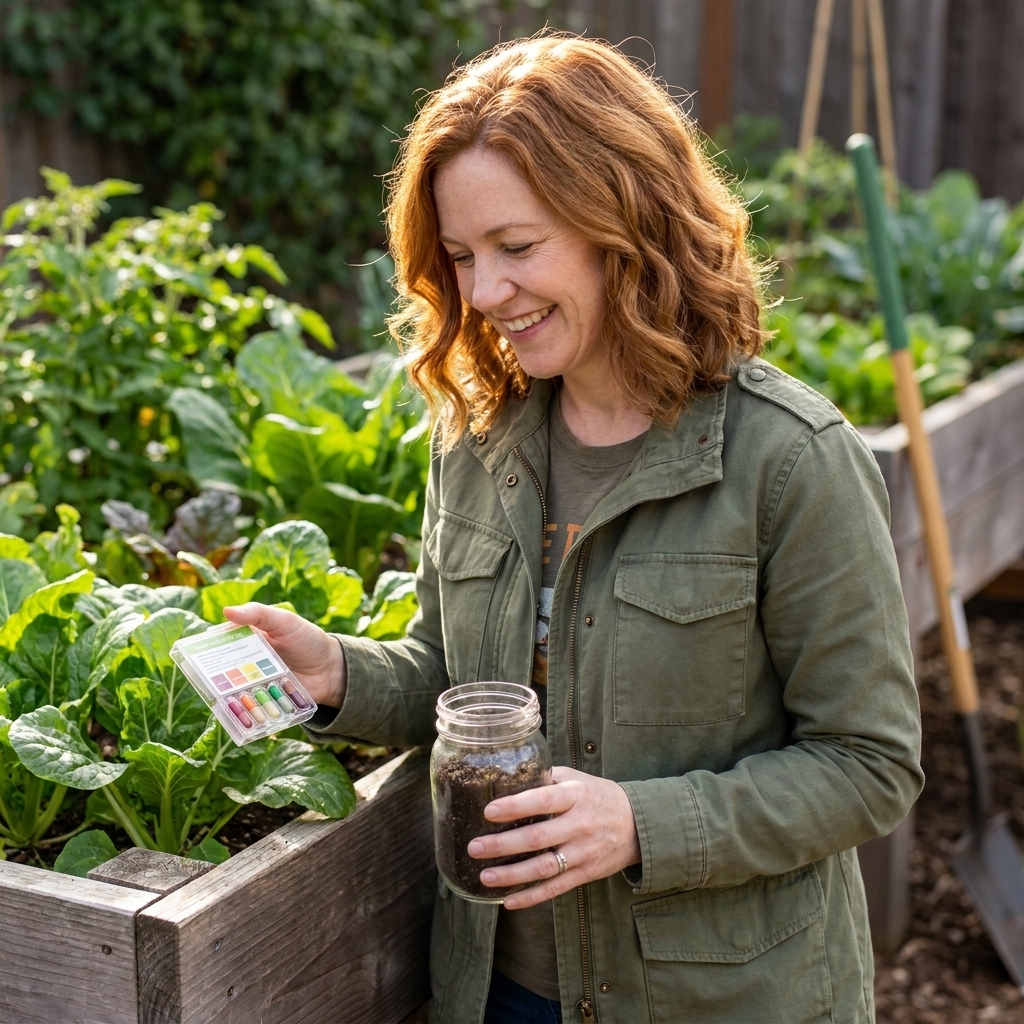
Guessing here is how folks end up chasing their tails. A cheap pH kit is a start, but for anything that affects pH, I strongly prefer a real lab soil test every few years. It is the fastest way I know to stop buying bags you do not need.
Gypsum: when it helps
Good uses
- You need calcium but do not want to raise pH. This comes up a lot in gardens already near neutral, or where you grow blueberries, potatoes, or other plants that prefer slightly acidic soil.
- You need sulfur. Gypsum supplies sulfur in sulfate form, which plants can use.
- You have sodic soil (a sodium problem). In true sodic conditions, gypsum can help replace sodium on soil particles so sodium can leach out with good drainage and watering.
What it will not do
- It is not a universal clay cure. In non-sodic clay, the evidence for gypsum “loosening clay” is mixed. If sodium is not part of the problem, the long game for clay is still organic matter, living roots, and avoiding compaction.
- It will not fix drainage in one weekend. Real structure change takes seasons, worms, roots, and steady inputs of compost and mulch.
- It will not raise pH. If your garden is too acidic, gypsum is not the tool.
My rule of thumb is: if someone is selling gypsum as a one-step solution for every clay yard on the planet, I take the rest of their advice with a very large grain of salt.
Sodic vs saline (quick and useful)
These two get mixed up all the time:
- Saline soil means there are lots of soluble salts. Plants struggle because it is harder to take up water. Gypsum does not magically remove salts, but it can be part of a plan in some situations.
- Sodic soil means sodium is stuck on the soil’s exchange sites, which makes clay disperse, crust, and drain poorly. Gypsum is specifically helpful here, because calcium can push sodium off those sites so it can be leached out.
If you suspect either one, a soil test that includes salinity (often reported as EC) and sodium is worth it.
Lime: when it helps
Good uses
- Your soil test shows low pH. Many nutrients become less available when soils are too acidic, especially in gardens with lots of rainfall or long-term use of acid-forming fertilizers.
- You have blossom end rot pressure and low pH. Blossom end rot is most often a calcium transport and water-management problem, not a simple “my soil has zero calcium” issue. But if your soil is acidic and actually low in available calcium, lime can help by raising pH and supplying calcium.
- You are preparing a new bed and need to correct acidity. Incorporating lime into the top several inches works better than sprinkling it on top year after year.
What to watch for
- Over-liming is real. Pushing pH too high can lock up iron, manganese, and other micronutrients. That is how you end up with yellow leaves even though you fertilized.
- It works slowly. Depending on soil type and the product, you may see changes over months, not days.
- Dolomitic lime adds magnesium. That can be great if magnesium is low. But in some soils, pushing magnesium high can contribute to tighter structure and can compete with calcium. This is another reason a soil test matters.
- Do not treat all “lime” the same. Hydrated lime is much more reactive and can burn skin and plants if misused. Agricultural lime (carbonate) is the usual choice for garden beds.
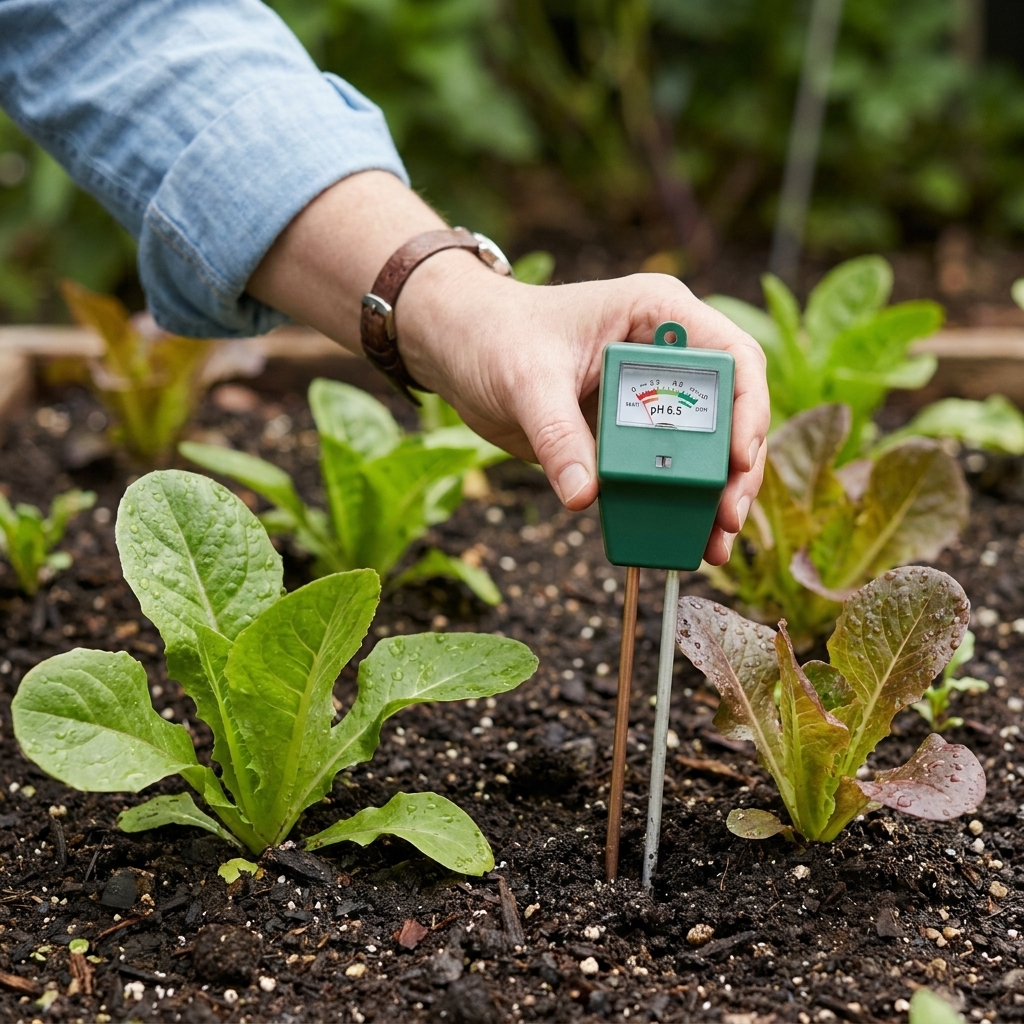
Quick comparison
| Question | Gypsum (calcium sulfate) | Garden lime (calcium carbonate) |
|---|---|---|
| Adds calcium? | Yes | Yes |
| Raises soil pH? | No, usually minimal effect | Yes |
| Adds sulfur? | Yes | No |
| Best for | Calcium without pH change, sodic soils, sulfur needs | Correcting acidic soil (low pH) |
| Common mistake | Using it expecting it to fix all clay compaction | Applying without testing and driving pH too high |
How to tell what you need
Step 1: test pH
If you do nothing else, learn where your pH sits.
- Most vegetables are happiest around pH 6.0 to 7.0.
- Blueberries prefer acidic soil, often pH 4.5 to 5.5.
If your pH is already in a good range for what you grow, that is a big clue to avoid lime unless a soil test specifically calls for it.
Step 2: check calcium and magnesium
Lab tests can show exchangeable calcium and magnesium, plus buffer pH and amendment recommendations. If magnesium is low, dolomitic lime might be appropriate. If magnesium is fine or high, calcitic lime or gypsum is often a better calcium tool depending on pH.
Step 3: use symptoms as a nudge, not a diagnosis
Calcium-related issues can show up as blossom end rot in tomatoes and peppers, tip burn in lettuce, and poor root development. But the same symptoms can come from uneven watering, root damage, cold soil, or salt stress. I treat symptoms as a reason to test, not a prescription.
How to apply them
General tips
- Follow a soil test recommendation if you have it. Rates vary wildly by soil type, current pH, and buffer pH.
- If you want a ballpark, keep it conservative. Many home garden applications land somewhere around 5 to 10 pounds per 100 square feet for lime or gypsum, but that number can be wrong for your soil. Consider it a conversation starter, not a rule.
- Spread evenly. I like using a small handheld spreader for larger beds.
- Water in after application. Especially for gypsum, which needs moisture movement through the soil to do its best work.
- Incorporate when you can. Mixing into the top few inches works faster than leaving it on the surface, especially for lime.
Timing
- Lime: fall or early spring is great, because it has time to react before heavy feeding and peak growth.
- Gypsum: can be applied any time the soil is workable, often spring through fall.
Fertilizer interactions
- Do not mix lime directly with ammonium-based fertilizers (or fresh manure) in the same application. It can increase ammonia loss and waste nitrogen.
- If you are liming, give it a little space. A couple of weeks between liming and heavy nitrogen fertilizing is a good, simple safeguard.
- Watch micronutrients if pH climbs. If you push pH too high, iron and manganese availability can drop, especially in containers and raised beds where you control inputs more tightly.
About pelletized products
Pelletized gypsum or pelletized lime is mainly about easier spreading and less dust. Once watered, pellets break down. The chemistry still matters: lime raises pH, gypsum usually does not.
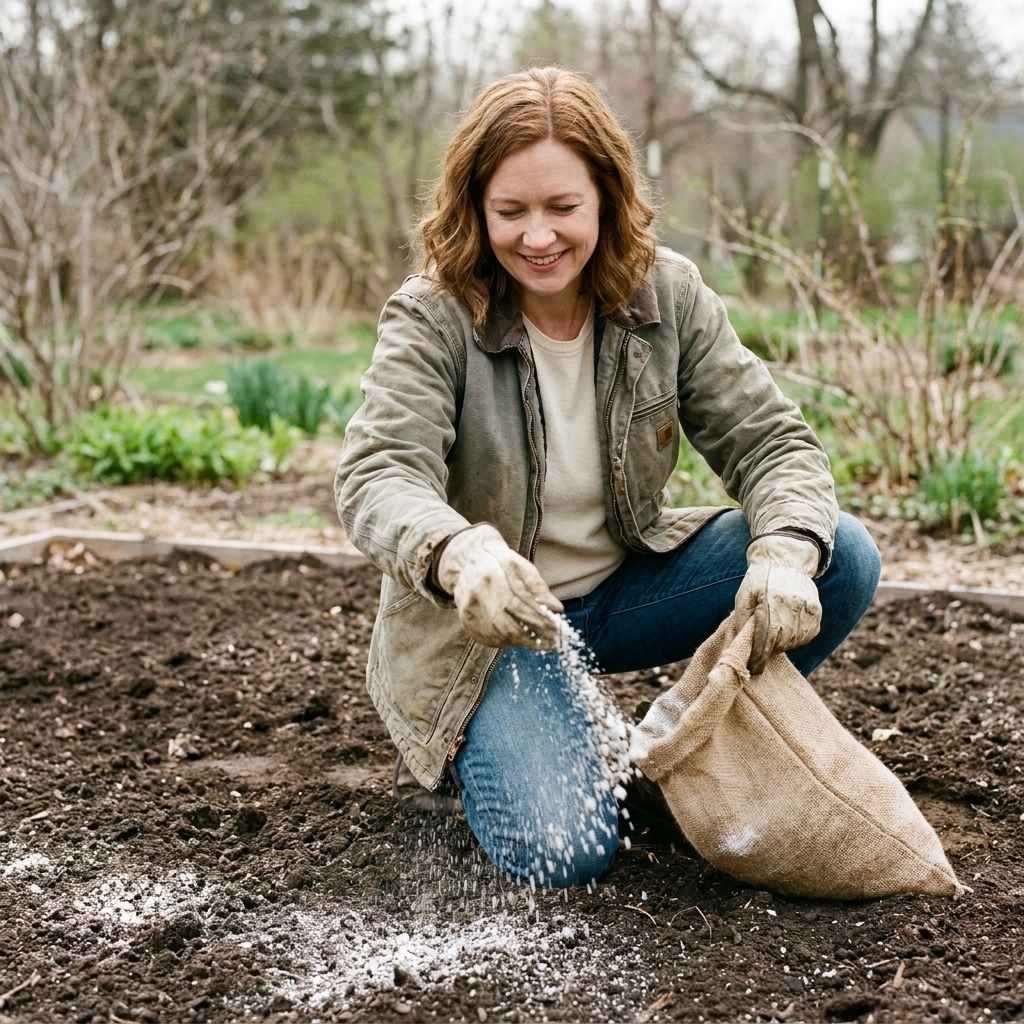
Using both together?
Sometimes, yes, but it should be purposeful.
- If your soil test calls for lime to correct pH and you also need sulfur, you might use lime and get sulfur from composted manure, elemental sulfur (carefully), or gypsum depending on your plan.
- If your soil needs pH correction, lime is the priority. Add gypsum only if you have a clear reason, like sulfur needs or sodium issues.
What I avoid is the “everything plus the kitchen sink” approach. Calcium is important, but it is only one part of soil balance.
My take
I love a good amendment, but the best thing I ever did for my stubborn clay was boring: compost, leaf mold, mulch, and time. Calcium products can help, but they are not a substitute for feeding soil life and improving aggregation the natural way.
If your soil is compacted, start with:
- 2 to 3 inches of finished compost on top of beds (once or twice a year)
- Mulch to protect the surface and keep moisture steady
- Gentle cultivation, or broadforking instead of deep tilling
- Cover crops when you can, even short ones like oats or peas
FAQ
Will gypsum sweeten soil like lime?
No. Lime is the classic “sweetener” because it raises pH. Gypsum supplies calcium without significantly changing pH in most garden soils.
Is gypsum good for blossom end rot?
Sometimes, but not as a first reflex. Blossom end rot is usually about inconsistent moisture and calcium transport inside the plant. Gypsum can help when soil calcium is truly low and pH is already fine, but I would start by stabilizing watering, mulching, and checking your soil test.
Can lime improve soil structure?
Correcting pH can improve biology and aggregation over time in some soils. But lime is not a quick clay fix, and using it when your pH is already fine can create nutrient problems.
Which is better for clay soil, gypsum or lime?
Neither is a universal answer. If your soil is acidic, lime may be needed. If you have sodic conditions, gypsum can help. For typical clay that is simply tight and compacted, compost and consistent organic matter additions usually make the biggest difference.
How often should I apply lime?
Only as needed based on pH and soil test recommendations. Many gardens need lime every few years, not every season.
Decision checklist
- My pH is low: I start with lime (calcitic or dolomitic based on magnesium).
- My pH is fine but calcium is low: I consider gypsum or targeted compost inputs.
- I suspect a sodium problem: I consider gypsum plus better drainage and leaching, and I confirm with a soil test if I can.
- I have no test and I am guessing: I pause and test before I change pH on purpose.
If you tell me what you are growing, your soil type, and your latest pH reading, I can help you think through which direction makes the most sense.