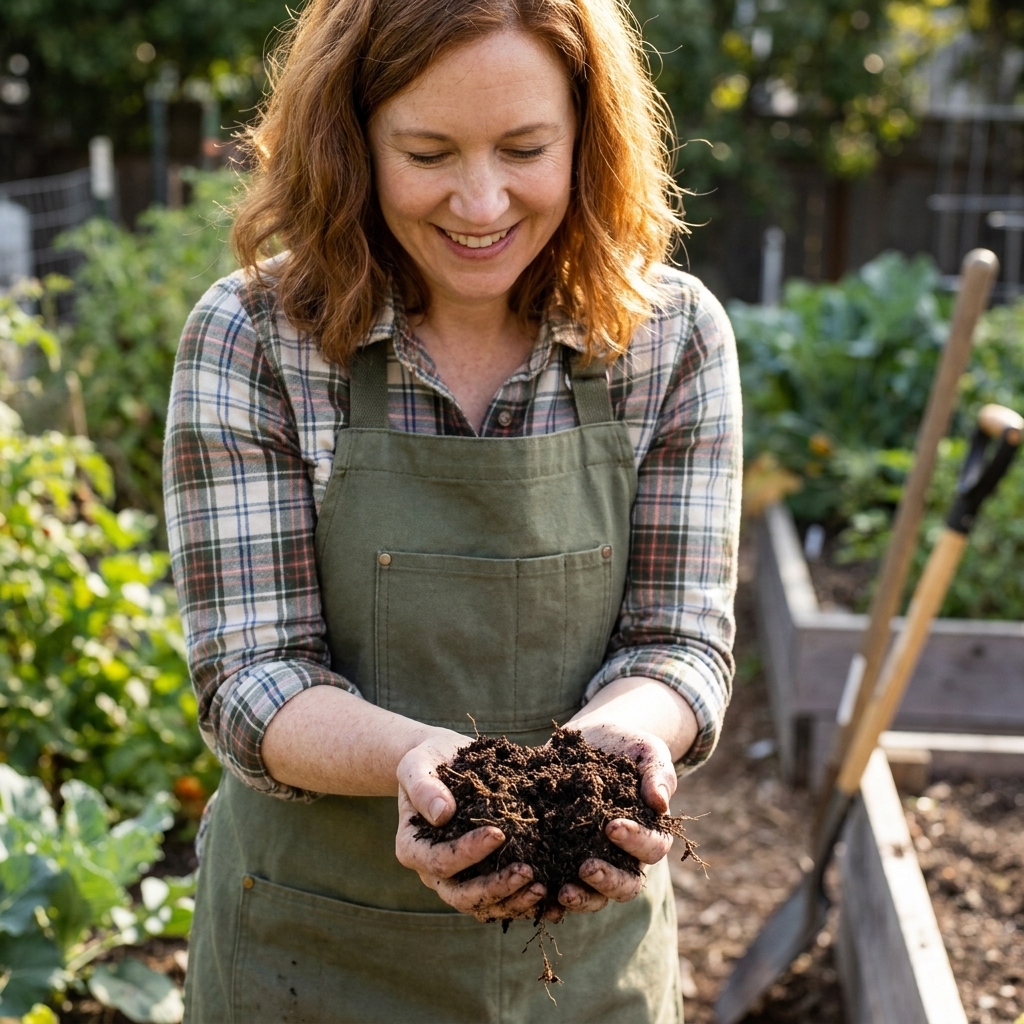
When my first veggie garden sputtered in a yard full of compacted clay, I blamed my seedlings, my sun, my timing, basically everything except the dirt. What finally turned things around was learning that soil is not just “stuff plants sit in.” It is an entire living community. Once I started feeding that community, the plants followed.
Gardeners often call that underground network the soil food web: the relationships between roots, microbes, and the critters that graze on them. When it is humming along, it does three big things for us: it recycles nutrients into plant-available forms, it builds soil structure so roots can breathe and drink, and it protects plants by crowding out troublemakers.
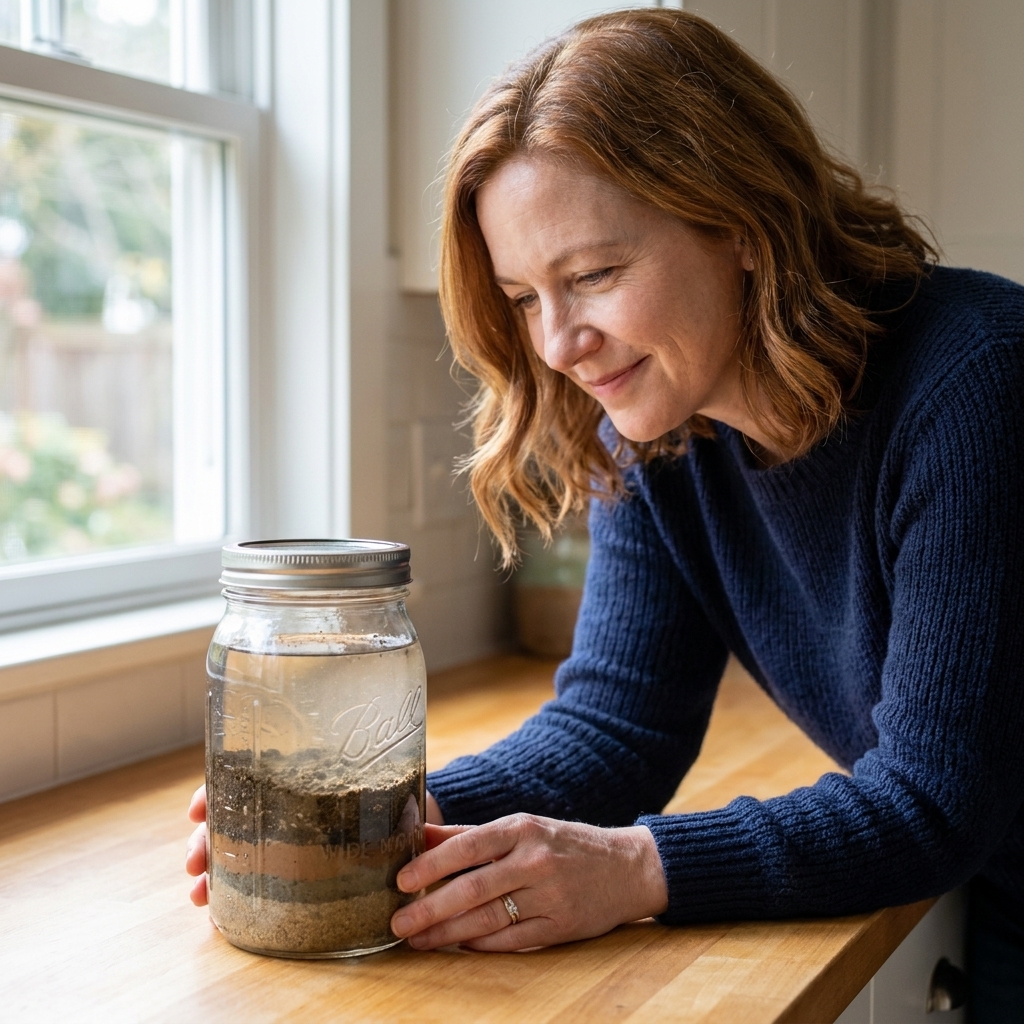
Quick clarity, because it trips up a lot of us (me included): soil texture is the sand-silt-clay mix you are born with. Soil structure is how those particles clump into crumbs (aggregates). You cannot change texture, but you can absolutely improve structure, and the soil food web is a big reason why.
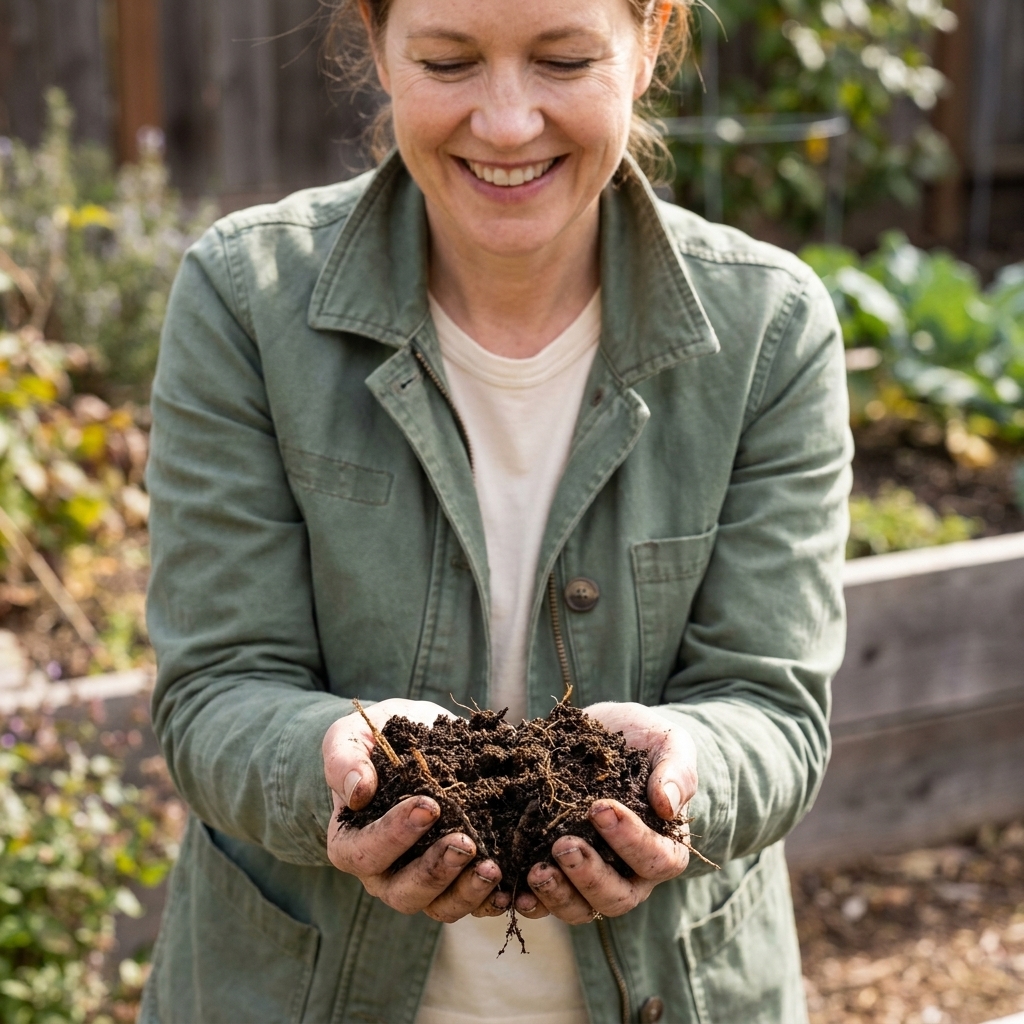
What it is
The soil food web is the “who eats who (and who partners with who)” under your feet, starting with plant roots and dead organic matter and moving up through bigger and bigger critters.
Here is the plain-language version:
- Plants pump sugars from photosynthesis out through their roots as “root exudates.” That is basically plant-made snacks for microbes.
- Microbes (bacteria and fungi, plus others) use those exudates and break down organic matter like leaves and mulches, and they keep transforming compost as it finishes stabilizing in the soil.
- Microbe-eaters (protozoa, beneficial nematodes, and some micro-arthropods) eat the microbes.
- Bigger soil life (mites, springtails, beetles, earthworms, and more) shred, mix, and move organic matter and microbes around.
As organisms eat each other (and interact), nutrients get released in forms plants can actually use. That nutrient handoff is the magic.
One more nuance that helps things click: soil food webs can lean different directions depending on what you grow. Annual veggie beds often run more bacteria-dominant. Perennials, shrubs, and woodier systems tend to build toward a more fungal-dominant balance over time.
Main players
Bacteria: the fast recyclers
Bacteria are the speedy clean-up crew. They thrive on fresh, easy-to-digest materials like green plant matter and root exudates. In a healthy garden bed, bacteria:
- Mineralize nutrients as they consume organic matter and multiply.
- Help glue soil particles together by producing sticky compounds that support aggregates, improving drainage and aeration.
- Team up with plants in the root zone where most nutrient trading happens.
If you have ever side-dressed with compost and noticed a quick perk up, you were probably watching bacteria-driven nutrient cycling in action.
Fungi: the steady builders
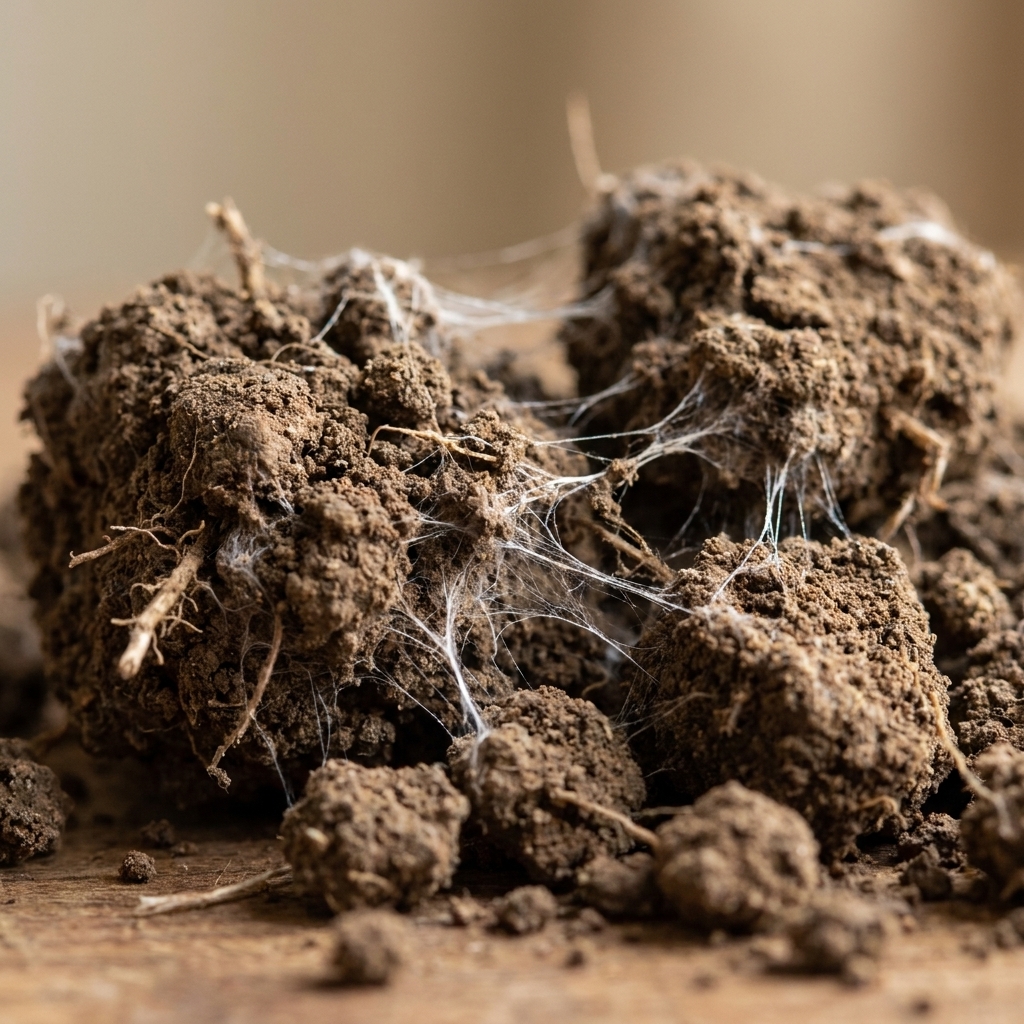
Fungi are the long-game champions. They are great at breaking down tougher materials like dried leaves, woodier mulches, and complex plant fibers. They also build soil structure by weaving through it.
- Saprophytic fungi decompose dead material and help create stable humus over time.
- Mycorrhizal fungi partner with living plant roots. More on them in a minute because they deserve their own spotlight.
Mycorrhizae
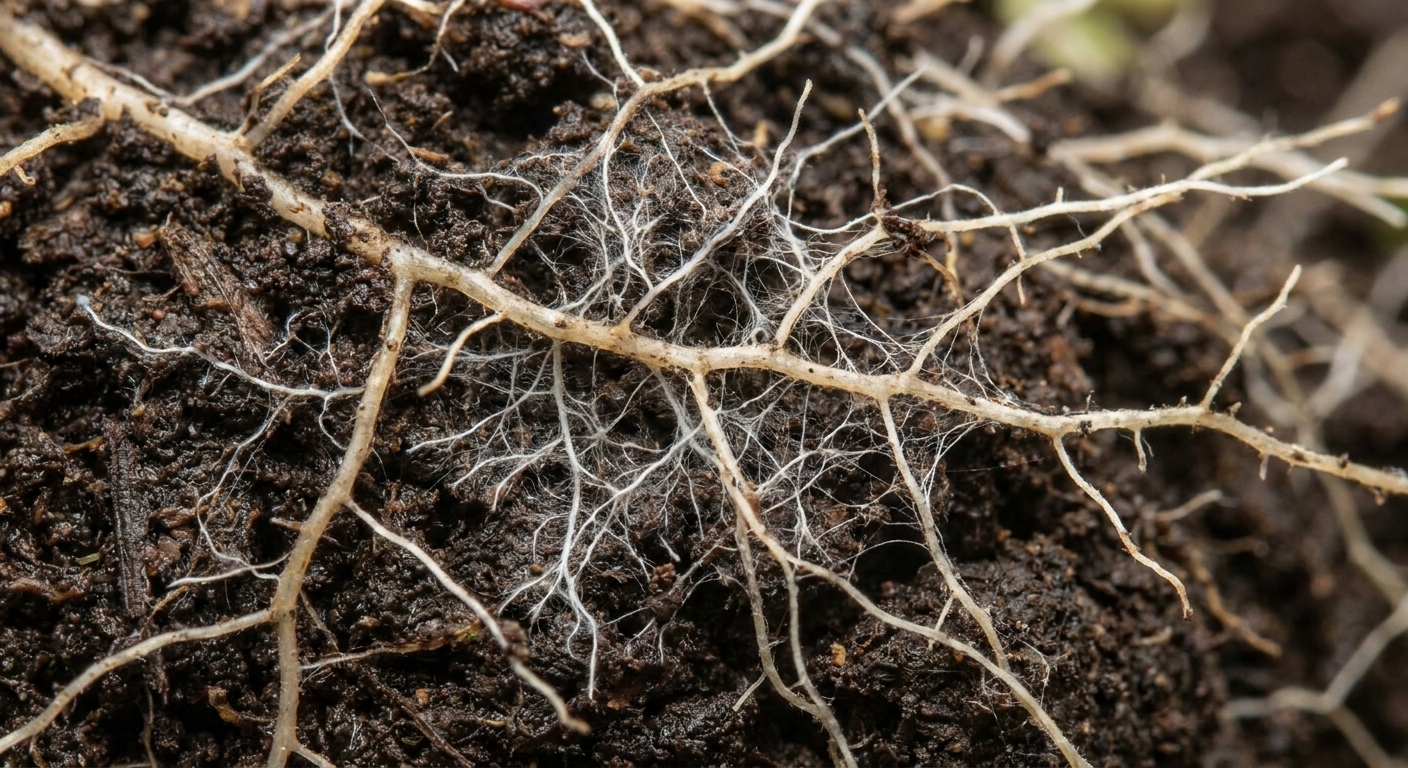
Mycorrhizae are beneficial fungi that connect to plant roots and extend their reach with a network of microscopic threads called hyphae.
Think of it like this: roots are the main highway, and mycorrhizal hyphae are all the tiny side streets that get into places roots cannot easily reach.
What plants get
- Better access to phosphorus, which is often present in soil but locked up or hard to grab.
- Improved water uptake, especially in dry spells, because hyphae explore more soil volume.
- Micronutrients like zinc and copper can be easier for plants to access.
- Stress buffering, meaning plants can handle heat, drought, and transplant shock a little better when the partnership is strong.
What fungi get
Sugars. Plants pay mycorrhizae in carbon, straight from photosynthesis. It is a trade agreement: plant sends energy, fungus delivers nutrients and water.
Who benefits most
Most garden plants form mycorrhizal partnerships, including tomatoes, peppers, beans, peas, squash, corn, carrots, herbs, and many perennials.
A few common exceptions: the brassica family (broccoli, cabbage, kale, cauliflower, radishes, mustards) is typically non-mycorrhizal (at least with the common arbuscular mycorrhizae gardeners talk about). That does not mean brassicas do not like healthy soil, they absolutely do. They just rely on different strategies.
Nutrient cycling
One of the weirdest and most wonderful parts of the soil food web is that plants often get nutrients because microbes get eaten.
Here is a simplified example with nitrogen:
- Bacteria and fungi take up nitrogen as they grow.
- Protozoa and beneficial nematodes eat those microbes.
- As the predators digest their meal, they release extra nitrogen, often primarily as plant-available ammonium, which can later convert to nitrate depending on moisture, oxygen, and temperature.
So the goal is not just “have microbes,” it is “have a balanced community where microbes can thrive and be grazed.” That grazing is what keeps nutrients moving through the system instead of stuck in one place.
Why it matters
1) Better structure, less compaction
Microbes help create soil aggregates, those little crumbs that make soil easier to work and better at holding water while still draining well. Fungal strands also physically help bind soil together. If you are battling clay like I was, this is the path out of the hard-pan feeling soil.
2) More efficient fertility
When the food web is healthy, compost and organic amendments get turned into plant nutrition steadily. You rely less on quick-fix fertilizers because the soil becomes a slow-release pantry.
3) Stronger roots and healthier plants
Healthy roots leak more sugars, which feeds more microbes, which improves soil structure, which supports better roots. It is a feedback loop you actually want.
4) Disease suppression
Beneficial microbes take up space, compete for food, and can even produce compounds that inhibit pathogens. It is not a force field, but it is real biological pressure in your favor.
Signs it is working
You do not need a microscope to get a feel for what is happening, although lab testing can be helpful if you are curious. In a home garden, I watch for:
- Earthworms when I gently pull back mulch or dig a planting hole
- Soil that smells earthy, not sour or rotten
- Good crumb structure instead of dust or solid clods
- Mulch and leaves slowly disappearing over time
- Fewer boom-and-bust plant problems, like sudden yellowing after heavy rain or big fertilizer swings
Quick DIY check: the soil crumble test
Grab a moist handful of soil and gently squeeze. Healthy soil tends to form crumbs that fall apart with a light poke. If it makes a hard ball that stays a ball, you likely need more organic matter and better aggregation. If it will not hold together at all, you may be very sandy and benefit from more compost and mulch to improve water holding.
What hurts it
Frequent tilling
Tilling breaks fungal networks, exposes soil life to sun and drying air, and disrupts the habitat. Occasional soil loosening is sometimes necessary, but repeated deep tilling makes it hard for the food web to stabilize.
Try instead: broadforking, top-dressing with compost, and letting worms and roots do more of the mixing.
Leaving soil bare
Microbes and fungi need stable moisture and temperature. Bare soil swings hot and cold and dries out fast.
Try instead: mulch, leaf mold, straw, shredded leaves, or living cover crops in the off-season.
Overdoing fast-release fertilizers
Fast-release fertilizers, especially when overapplied, can raise salts (EC) around roots and stress soil life. And when phosphorus is kept very high and readily available, plants often reduce mycorrhizal colonization.
Try instead: compost, slow-release organic fertilizers when needed, and targeted amendments based on a soil test.
Pesticides and unnecessary fungicides
Broad-spectrum products can hit non-target organisms. Even some “organic” sprays can be disruptive when used frequently.
Try instead: integrated pest management, scouting early, improving plant vigor, and using the gentlest option only when needed.
Build it up
A simple starter plan
- Cover the soil (mulch or a cover crop) within a week of planting or clearing a bed.
- Add a modest layer of compost once a year, then let biology do the mixing.
- Disturb less, especially once your beds are producing well.
1) Feed the soil regularly
Microbes need carbon. When I am building a new bed or repairing tired soil, I might top-dress heavier for a season. For maintenance in established beds, up to about 1 inch of finished compost annually is plenty for many gardens, and it is smart to let a soil test guide you if you are adding compost every year (phosphorus can creep up over time).
- Compost brings diverse microbes plus stable organic matter.
- Mulch is ongoing food and insulation.
One practical safety note: use compost you trust. Avoid spreading uncomposted manure close to harvest on edible beds, and be picky about manure or hay-based compost sources (persistent herbicides can occasionally hitchhike in).
2) Keep roots in the ground
Living roots are the sugar pipeline. Even a short cover crop window helps. In small gardens, this can be as simple as sowing clover in pathways or using winter rye, oats, or field peas where beds would otherwise sit empty.
3) Water to support soil life
Microbes need moisture, not mud. Deep, less frequent watering encourages roots and helps keep the soil habitat stable.
4) Support fungi when it fits
If you are growing perennials, berries, shrubs, or you are trying to improve tired beds, leaning a little more fungal can help.
- Use shredded leaves or leaf mold as mulch.
- Add wood chips in paths or around perennials (keep chips off seedling stems).
- Consider a light dusting of finished compost under the mulch to inoculate.
5) Be cautious with mycorrhizal inoculants
Mycorrhizal products can be useful in some situations, like new beds with sterile bagged soil, new landscapes, or when transplanting into disturbed ground. But in many established gardens, mycorrhizae are already present.
If you do use an inoculant:
- Make sure it makes direct contact with roots. Sprinkling it on the soil surface is usually a waste.
- Avoid pairing it with high-phosphorus fertilizers right away, which can discourage colonization.
- Pick a product with clear species information and a realistic application rate.

Soil testing
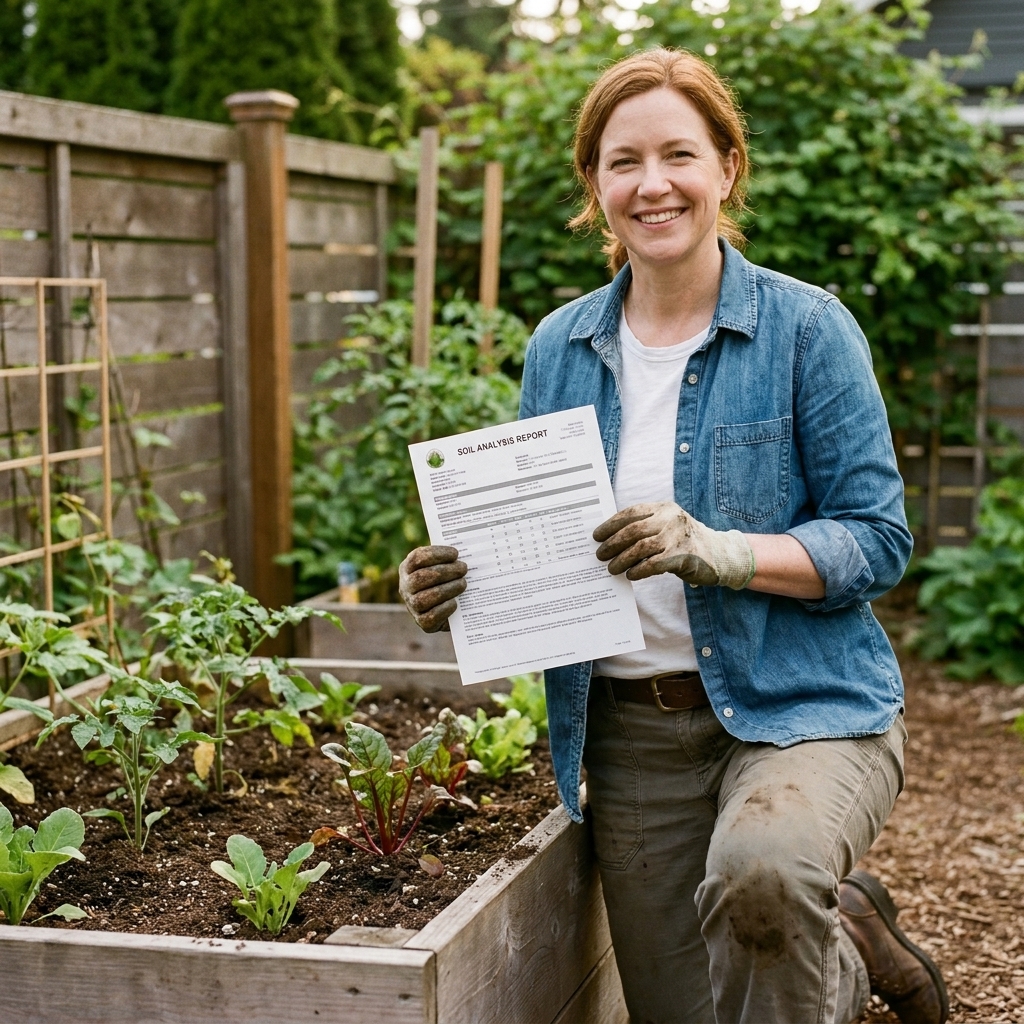
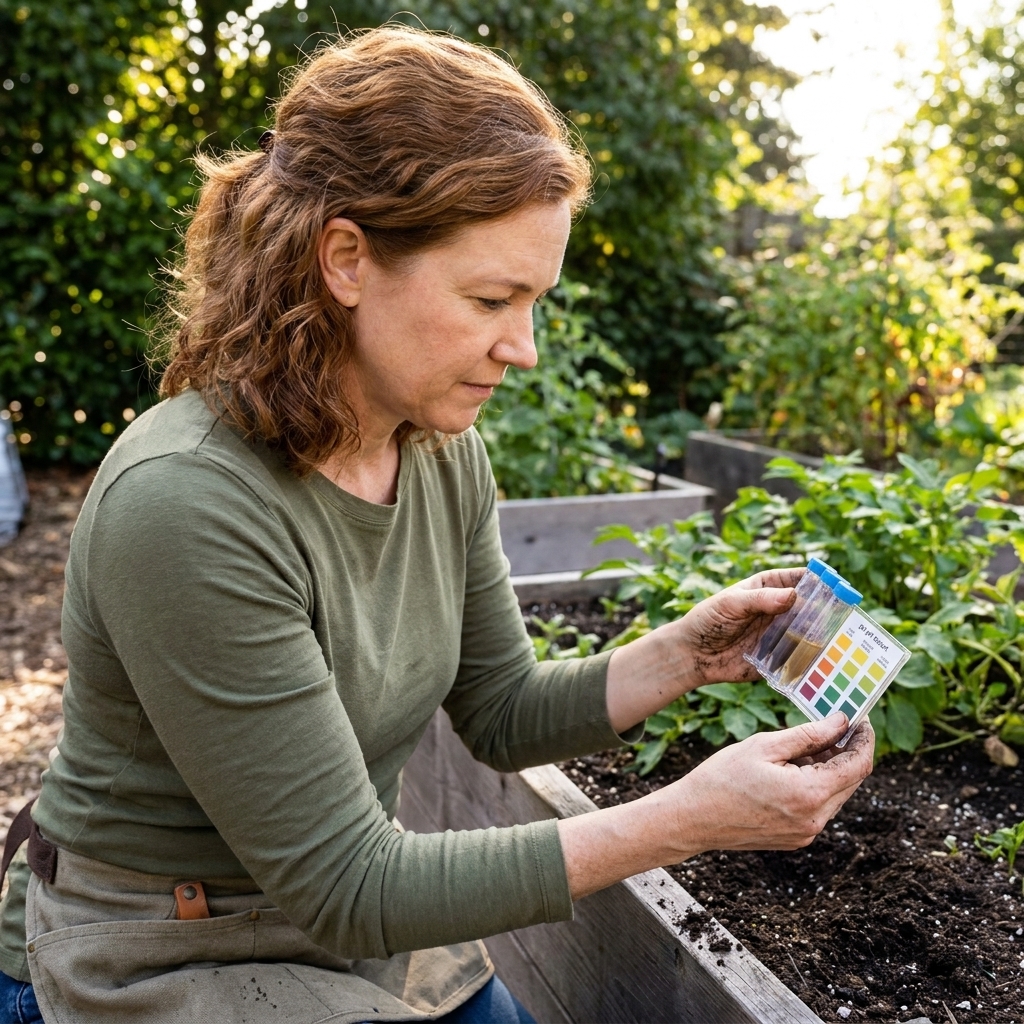
Standard soil tests (pH, phosphorus, potassium, calcium, magnesium, organic matter) are still incredibly useful because biology depends on chemistry. If pH is way off, microbes and plants both struggle.
If you want to go deeper, some labs offer biological testing that estimates microbial biomass or fungal-to-bacterial ratios. Those can be interesting, especially for troubleshooting, but they are not required to garden well.
My practical approach:
- Run a basic soil test every couple of years.
- Use compost and mulch consistently.
- Adjust pH and big nutrient imbalances with targeted amendments.
- Watch how plants and soil behave over seasons, not days.
Common questions
Does adding compost add microbes?
Yes. Finished compost brings a diverse mix of organisms and, just as importantly, it brings habitat and food. Even if some microbes do not stick around long-term, compost improves conditions so the right community can establish.
Can I have too much fungus?
In healthy outdoor beds, seeing white fungal threads under mulch is usually a good sign. Problems tend to come from poor drainage or anaerobic conditions (waterlogged soil), not from “too much fungus.” If your soil smells sour or rotten, focus on aeration, reducing compaction, and dialing in watering.
Do wood chips steal nitrogen?
On the surface as mulch, wood chips mostly break down at the soil-mulch boundary and generally do not rob nitrogen from established plants. You can see temporary nitrogen tie-up in very nitrogen-poor beds or around young seedlings, though. If plants look pale, pull chips back from stems and add a thin layer of compost or a light nitrogen amendment under the mulch.
Why do my plants still look hungry if my soil has nutrients?
Nutrients can be present but unavailable due to pH issues, compaction, poor root health, or an underactive soil food web. Start with a soil test for pH, improve structure with organic matter and less disturbance, and give it time. Biology is powerful, but it is not instant.
Takeaway
If you remember one thing, make it this: your garden grows best when you feed the soil, not just the plant. Microbes and mycorrhizal fungi are the engines that turn scraps, leaves, and root sugars into steadier fertility, better structure, and stronger growth.
Keep soil covered, keep roots growing when you can, add compost thoughtfully, and disturb less. The soil food web will do the rest, quietly and constantly, right under your boots.