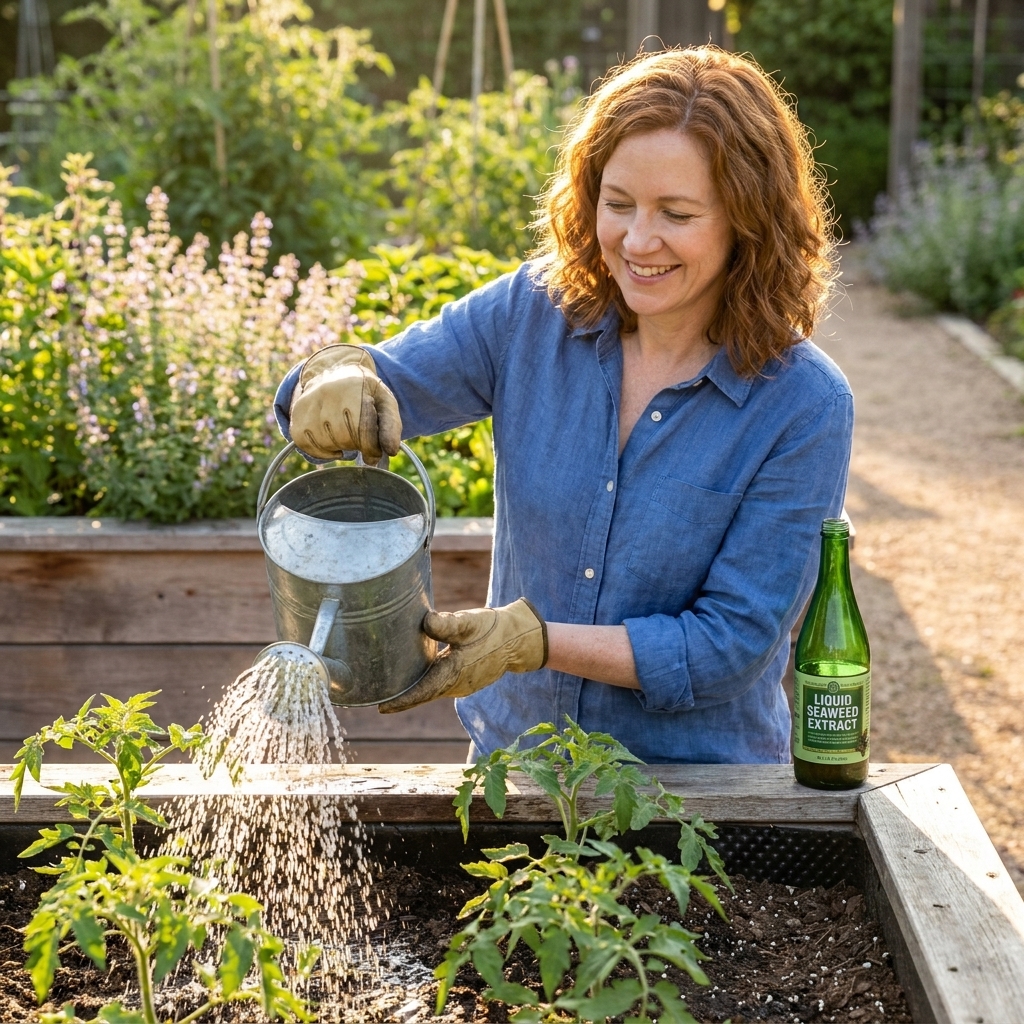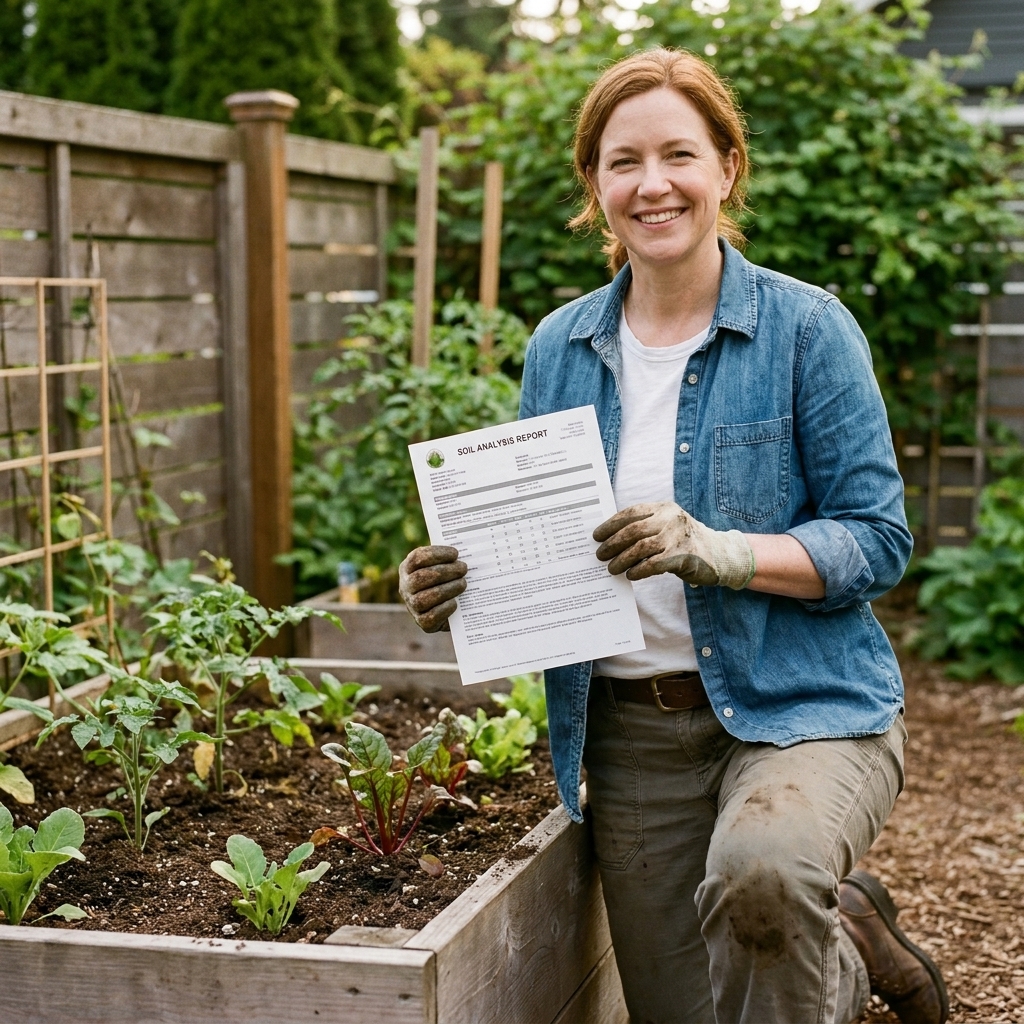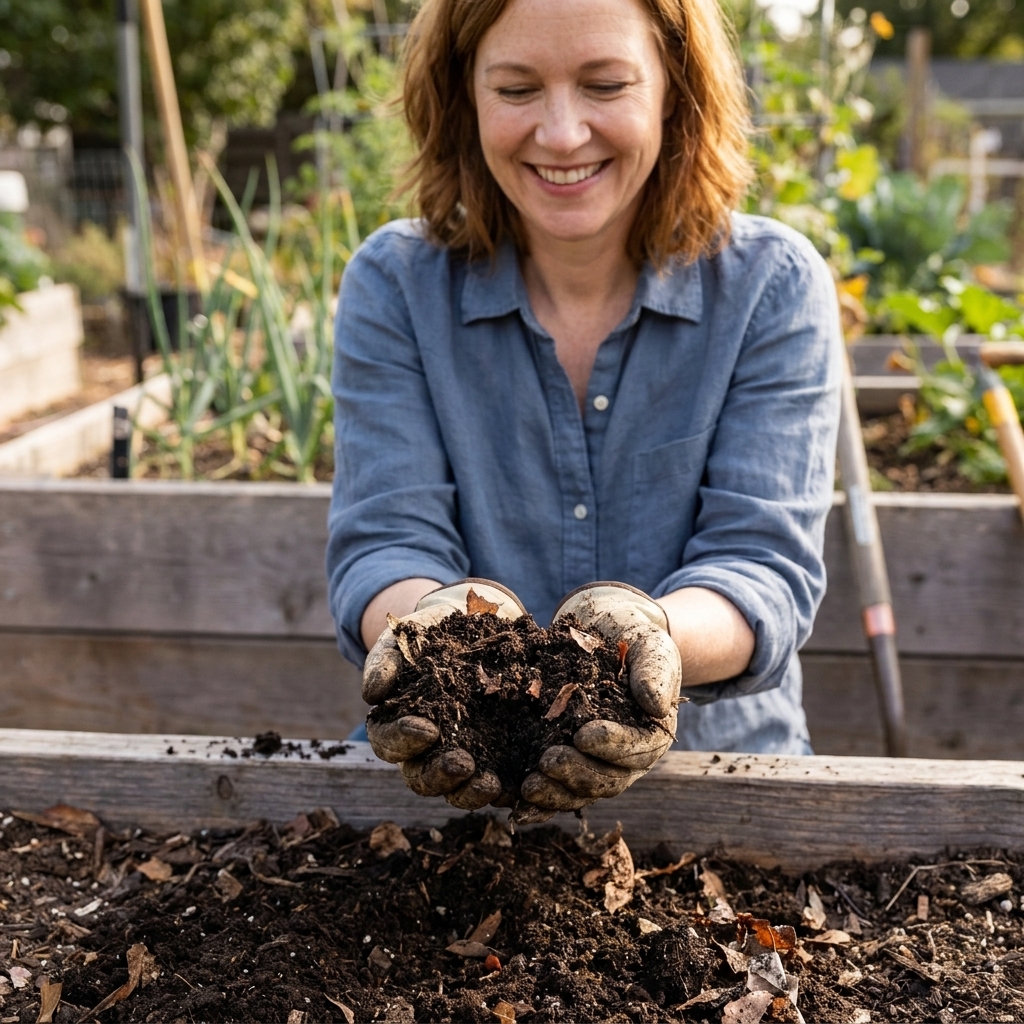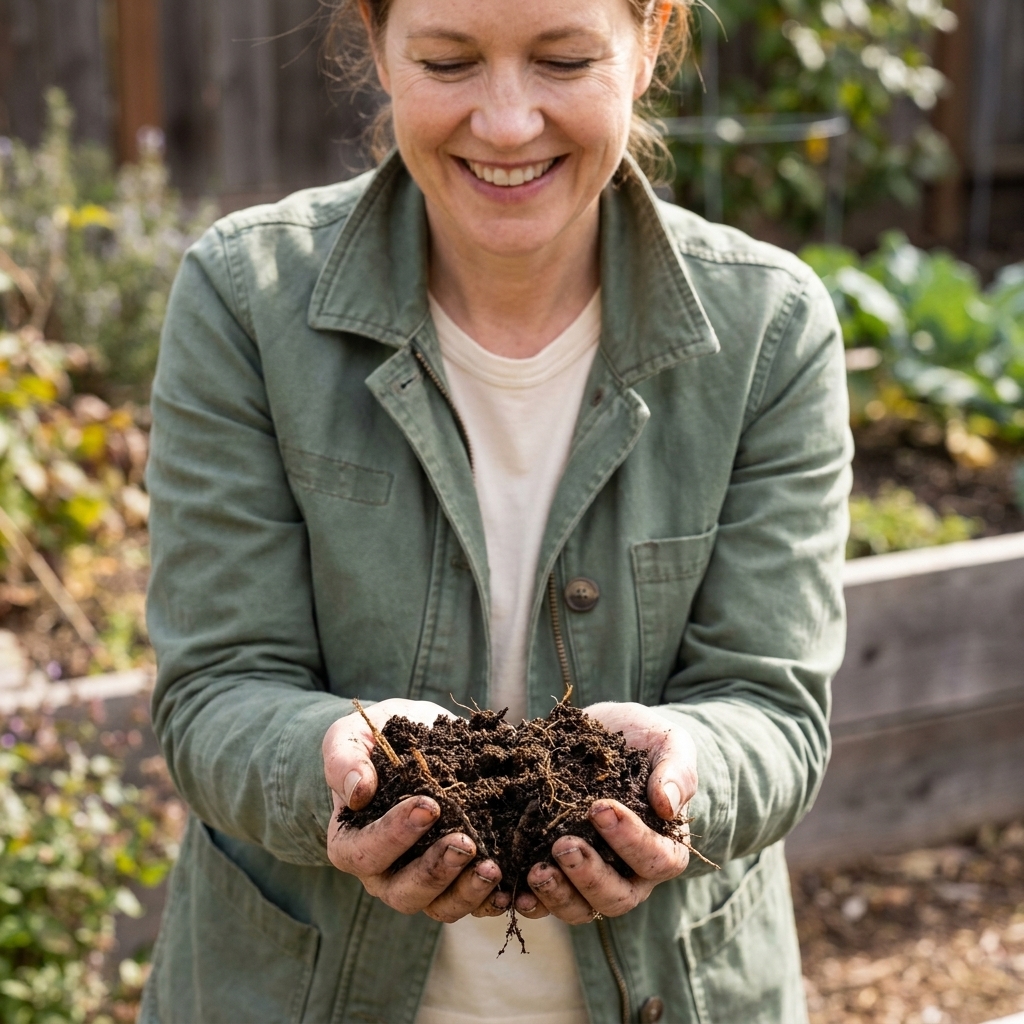
When I first started gardening, I thought the “secret” was sun, watering schedules, and the right tomato cage. Then I met my old backyard nemesis: compacted clay. My plants did not care how cute their cages were. They cared about what was happening in the dirt.
These days, I still compost like it is my part-time job, but I also lean on a few plant-based amendments that make soil-building feel almost unfairly easy. Two of my favorites are alfalfa meal (a steady, gentle nitrogen boost) and kelp meal (a mineral-rich soil conditioner that many gardeners reach for when plants are stressed). If you want a vegan, organic way to feed your garden without animal-based fertilizers, this combo is a workhorse.
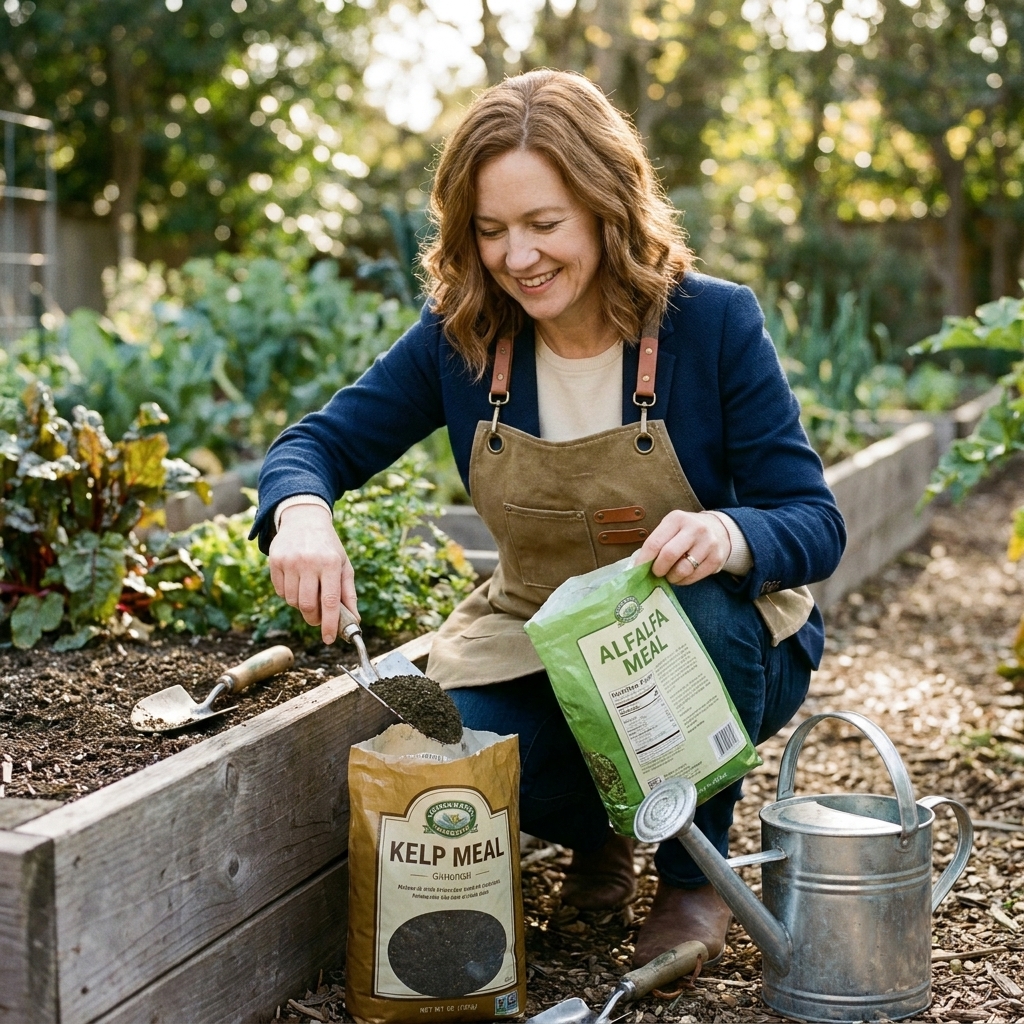
Why alfalfa and kelp work together
Think of alfalfa and kelp as two different kinds of support for your soil:
- Alfalfa meal brings slow-release nitrogen plus readily decomposable organic matter for microbes to work on.
- Kelp meal contributes trace minerals and naturally occurring compounds that many gardeners feel support roots and overall plant vigor.
Neither of these is a “quick fix” like a synthetic fertilizer. That is exactly why I like them. They feed the soil life, and the soil life feeds your plants. It is slower, steadier, and harder to mess up once you get the hang of it.
Alfalfa meal basics
What it is
Alfalfa meal is made from ground alfalfa (often dried and milled). It is commonly sold as pellets or meal. Both work. Pellets just take a bit longer to break down unless you pre-soak them.
What it does
- Supplies nitrogen in a slow, microbe-mediated way.
- Boosts soil biology because it is an easy food source for microbes.
- Encourages steady growth rather than a big, floppy surge.
Typical nutrient profile
Brands vary, but alfalfa meal is often labeled around 2 to 3% nitrogen with smaller amounts of phosphorus and potassium. In fertilizer shorthand, you will commonly see labels somewhere in the 2-1-2 to 3-1-2 neighborhood. Check your bag for the actual numbers.
My favorite ways to use it
- Bed prep: Mix into the top few inches of soil a week or two before planting.
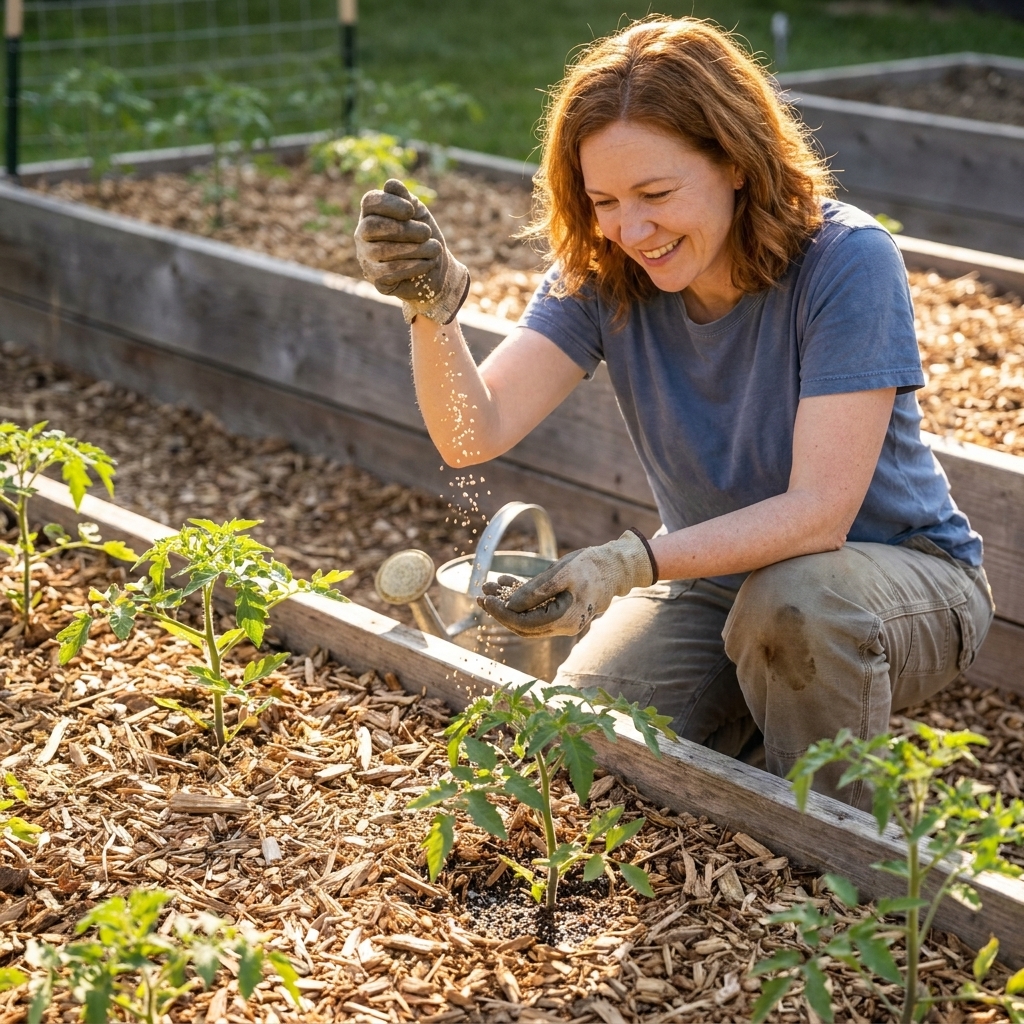
- Side-dressing: Sprinkle around heavy feeders mid-season and gently scratch it in.
- Compost booster: Add a few handfuls to a “brown-heavy” pile to help it heat up.
Kelp meal basics
What it is
Kelp meal is dried seaweed (usually brown seaweed) that has been ground into a coarse meal. It is not a high-N fertilizer, and that is not the point. It is more like a mineral and micronutrient pantry for your soil.
What it does
- Supplies trace minerals that can be missing in tired soils or container mixes.
- Supports roots and overall plant resilience. Many gardeners use it when plants are stressed by heat, transplanting, or uneven watering.
- Can help tilth over time in a modest way as soil life processes it and you keep adding organic matter.
Typical nutrient profile
Kelp meal is usually relatively low in NPK (often labeled around 1-0-2, give or take), but it is valued for micronutrients and naturally occurring compounds that support plant growth processes. Since products vary, including sodium content, it is worth checking the label.
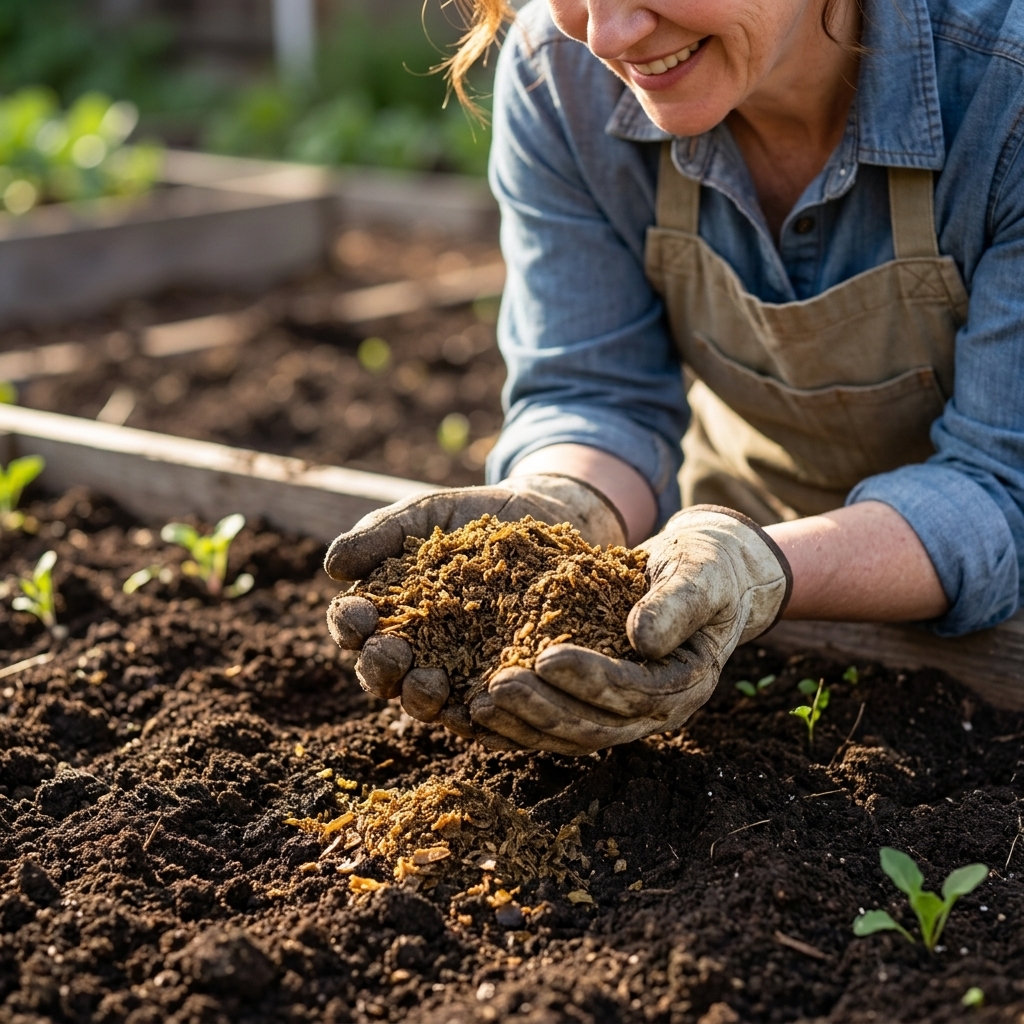
How to apply
Application rates depend on your soil, crops, and how much compost you already use. The numbers below are safe, beginner-friendly starting points I have used in both beds and containers. If you are already adding a lot of rich compost, start at the low end. When in doubt, a basic soil test can save you money and keep you from piling on nutrients you do not need.
Garden beds
- Alfalfa meal: about 2 to 4 cups per 10 square feet mixed into the top 2 to 4 inches.
- Kelp meal: about 1 to 2 cups per 10 square feet mixed in the same way.
Timing: I like applying these at bed prep in spring, then doing a lighter side-dress for heavy feeders about 4 to 6 weeks after planting.
Planting holes
- Alfalfa meal: 1 to 2 tablespoons mixed into the soil you are backfilling with.
- Kelp meal: 1 tablespoon mixed in.
Important: do not leave meals in a concentrated pocket touching roots. Mix them with soil first.
Containers
- Alfalfa meal: 1 to 2 tablespoons per gallon of potting mix (mixed throughout).
- Kelp meal: 1 tablespoon per gallon of potting mix.
For established container plants, I top-dress lightly and water in, then repeat every 4 to 6 weeks during active growth. If you are feeding containers regularly with other products, lean toward the lower end to avoid nitrogen buildup.
Watering in
These are dry amendments, so they need moisture to wake up. After applying, water deeply. If the surface stays bone dry, breakdown slows way down.
My go-to routines
Routine A: Lots of compost
- Before planting: 1 to 2 inches of compost on the bed.
- Mix in alfalfa meal at the lower end of the range.
- Mix in kelp meal at the lower end of the range.
- Mid-season: side-dress heavy feeders with 2 to 4 tablespoons alfalfa meal per plant (tomatoes and peppers land in this range nicely), plus 1 to 2 tablespoons kelp. Scratch in and water.
Routine B: New or tired soil
- Before planting: compost, plus full-rate alfalfa and kelp.
- Mulch after planting to hold moisture and protect soil life.
- Repeat a light application every 4 to 6 weeks through midsummer, especially for heavy feeders.
Routine C: Keep it simple
Blend alfalfa meal and kelp meal at about a 2:1 ratio (two scoops alfalfa to one scoop kelp). Apply your blend at bed prep, water it in well, and call it good. You can always add compost later.
When to avoid or adjust
Seedlings and tiny transplants
Go light. You want steady growth, not a sprint. For delicate starts, I focus on compost and use these meals once plants are established.
Leafy greens
Too much nitrogen can push fast leafy growth, which is not always what you want when weather is warming up. Use modest alfalfa rates for lettuce, spinach, and arugula once days get hot.
Very alkaline soil
If your soil pH runs high, kelp is usually fine, but it is still smart to get a basic soil test so you are not adding nutrients you do not need. Trace minerals are wonderful, but balance is better.
Pets and pests
Some dogs think alfalfa pellets are snacks, and any meal can attract critters if it sits on the surface. Scratch amendments into the soil and mulch over top if you have curious helpers in the yard.
Herbicide residue concerns
It is rare, but plant materials can occasionally carry persistent herbicide residues depending on how they were grown. If you have dealt with contamination before, buy from reputable sources and consider testing a small batch on a sacrificial pot of beans or peas before you spread a new product everywhere.
Alfalfa tea and kelp tea
I am a fan of simple soil applications, but sometimes a quick liquid feed is handy during peak growth or after transplanting.
Quick alfalfa soak
- Add 1 cup alfalfa meal or pellets to a 5-gallon bucket.
- Fill with water and let it sit 24 to 48 hours, stirring when you remember.
- Strain if you are using a watering can with a narrow spout.
- Water at the base of plants.
It will smell a little farmy. That is normal.
Quick kelp soak
- Add 1/2 cup kelp meal to a 5-gallon bucket.
- Soak 12 to 24 hours.
- Water in transplants or use as a soil drench.
If you are tempted to foliar spray, keep it mild and test on a few leaves first. Sun plus spray can sometimes spot tender foliage, especially in hot weather.
Buying tips
Alfalfa meal
- Look for: clean, plant-only product intended for gardens or livestock feed.
- Skip if: it is heavily scented or treated. You want plain alfalfa.
- Meal vs pellets: meal breaks down faster; pellets are often cheaper and store neatly.
Kelp meal
- Look for: reputable sourcing and harvest practices. Kelp is a wild resource in many places, and responsible harvesting matters.
- Expect: a seaweed smell and coarse texture.
Common questions
Is alfalfa meal “hot” like fresh manure?
Not in the same way. It is still a nitrogen source, so you can overdo it, but it is generally much gentler than fresh manure and more predictable. Mix it into soil and use reasonable amounts.
Will kelp meal make my soil salty?
Used at normal garden rates, it is not typically a problem. If you garden near the coast with already saline soil, or you are concerned about salt buildup in containers, apply lightly, choose a reputable product, and flush containers occasionally with plain water.
Can I use alfalfa and kelp with compost?
Yes, and they shine together. Compost provides biology and a broad nutrient base. Alfalfa adds extra nitrogen and microbe food. Kelp fills in trace minerals and supports overall plant health.
How fast will I see results?
With alfalfa, you often see greener growth in a couple of weeks once soil life gets to work. With kelp, the results are more subtle, like sturdier growth and better recovery from stress over the season.
Are these truly vegan?
They are plant-based amendments. That said, “vegan gardening” can mean different things to different people depending on inputs and sourcing. If this is important to you, check product labels and company practices so you feel good about what you are bringing into your garden.
A simple starting plan
If you are new to vegan organic fertilizers, here is the low-stress route I recommend:
- Add compost first if you have it.
- Mix in alfalfa meal and kelp meal at the bed-prep rates above. If you are unsure, start at the low end.
- Water deeply and mulch.
- Side-dress heavy feeders once mid-season.
That is it. No complicated schedule, no expensive equipment, and no mystery ingredients. Just steady soil-building, season after season, until your garden starts feeling like it can handle anything.