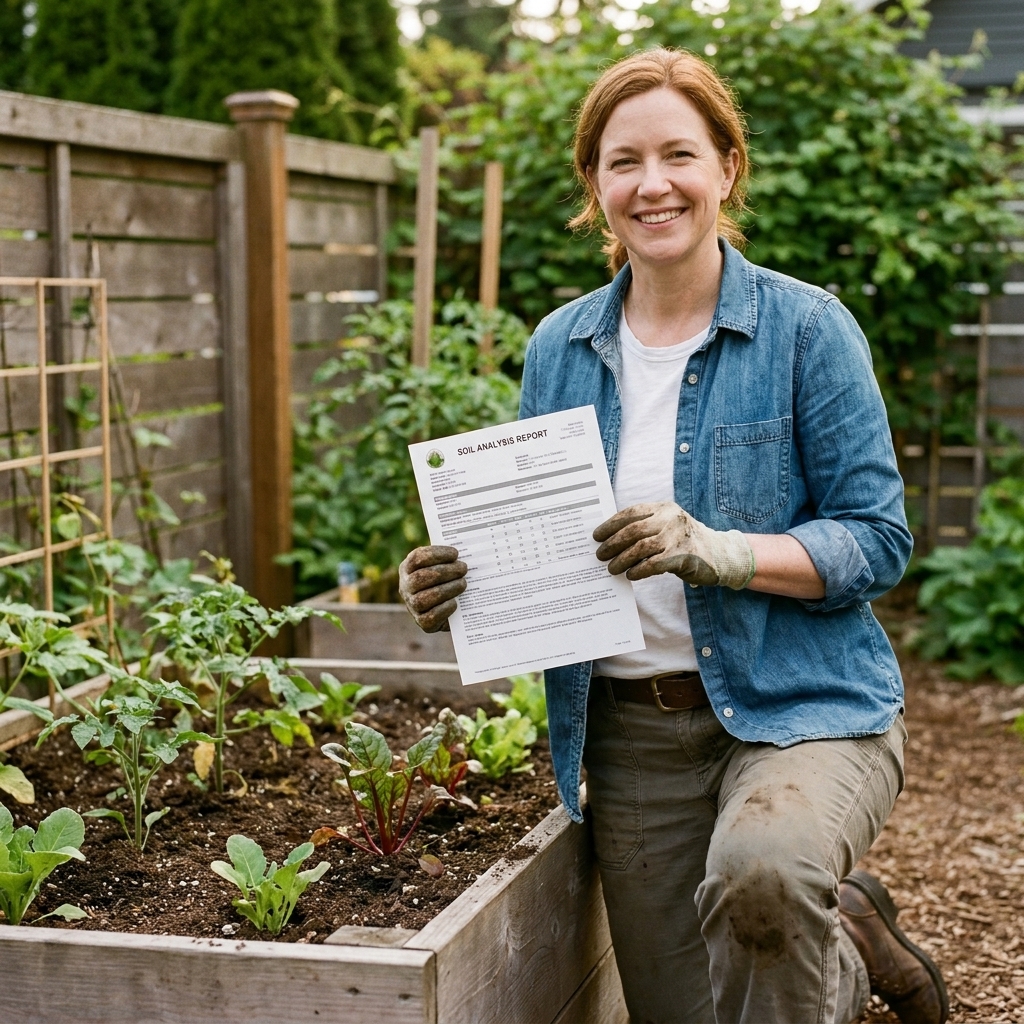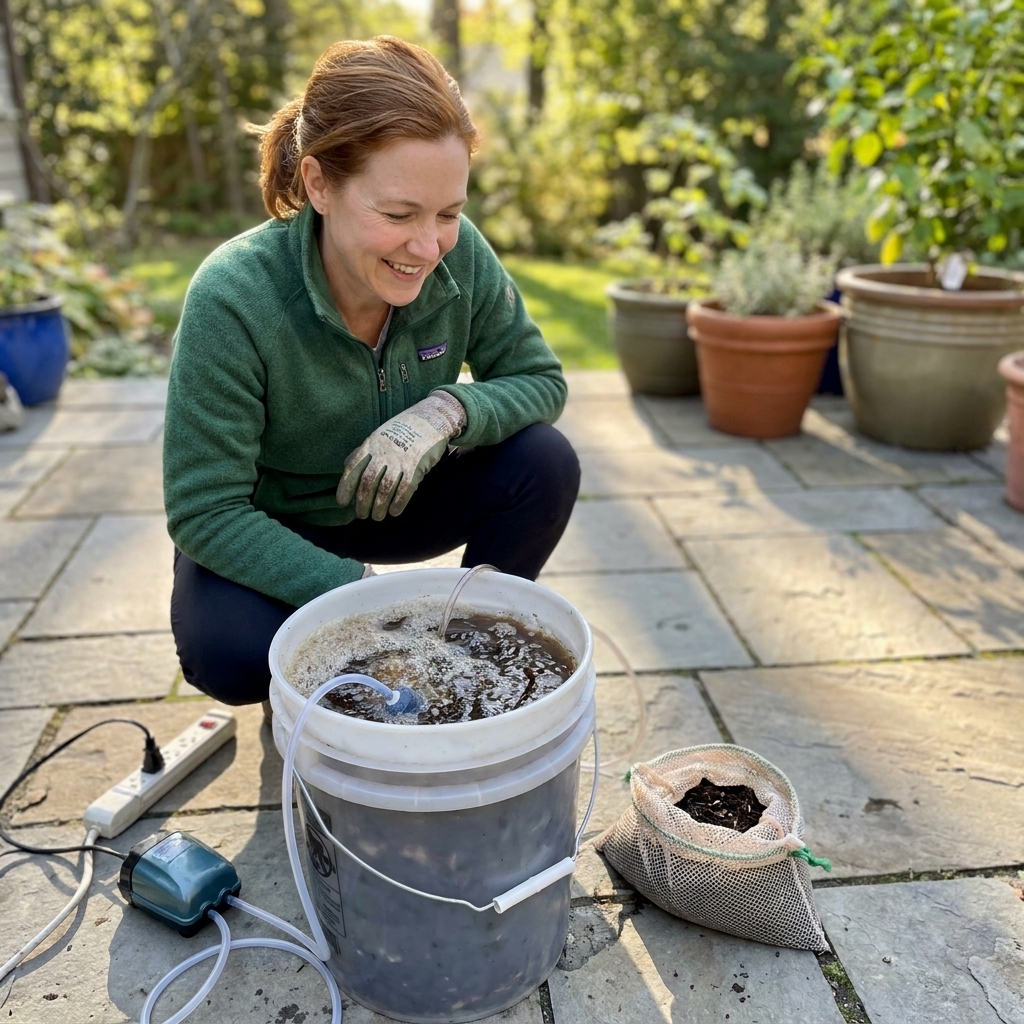
The first summer I tried to grow vegetables in my old clay yard, I learned a humbling truth: plants can look “fed” and still fall apart the moment heat, wind, or missed watering shows up. That season is what turned me into a dirt nerd, and it is also why I keep a bottle of liquid seaweed extract on my garden shelf.
Liquid seaweed is not a replacement for compost, mulch, or good watering habits. Think of it as a supportive supplement: a small, steady nudge of trace minerals and naturally occurring organic compounds that may help roots develop and help plants stay steadier when conditions get rough. Like most garden inputs, results can vary by product, crop, soil, and weather.

What liquid seaweed extract is
“Seaweed extract” is a broad label. Some garden products are made from true kelps (large brown seaweeds), and many are made from other brown seaweeds, especially Ascophyllum nodosum. Either way, the seaweed is processed into a concentrated product you dilute for garden use.
You will see a few common forms:
- Liquid seaweed extract: a dark, concentrated liquid you dilute in water for soil drench or foliar spray.
- Soluble powder: similar use, easier to store.
- Kelp meal: dried, ground seaweed used as a slow-release soil amendment.
For this article, I am focusing on the liquid extracts because they are fast, flexible, and easy to pair with compost-based gardening. They are usually low in NPK (the big nutrients), but can contain a mix of micronutrients plus other seaweed-derived compounds. The exact profile depends on the species, processing method, and batch.

Why it can help
When gardeners say seaweed “builds resilience,” they are usually describing steadier growth, faster recovery after stress, and stronger root systems. Seaweed is not a force field, but there are a few plausible reasons it sometimes helps.
1) Trace minerals in small doses
Compost is my baseline for micronutrients, but even good compost can be inconsistent depending on what went into it. Seaweed pulls minerals from ocean water, so extracts can include a range of micronutrients, commonly including:
- Iron (chlorophyll formation, overall vigor)
- Manganese and zinc (enzyme function, growth processes)
- Copper (plant metabolism, lignin formation)
- Boron (cell wall strength, flowering and fruit set)
- Molybdenum (nitrogen processing in plants)
One important caveat: the micronutrient content in liquid extracts can be modest and is not guaranteed unless the product provides an analysis. In other words, think “trace support,” not “reliable correction for a known deficiency.”
These nutrients are needed in tiny amounts, but if one is missing, plants can struggle to use the major nutrients effectively. This is one reason seaweed can sometimes feel like it “unlocks” growth even though it is not a heavy fertilizer.
2) Compounds linked with rooting and recovery
Many seaweed extracts contain compounds associated with plant growth regulation, especially cytokinins, auxin-like compounds, and betaines. You do not need to memorize those words to benefit from them. Practically, they are often discussed in connection with:
- More branching in the root zone
- Better transplant recovery
- Improved leaf function under stress
Effects depend on formulation and dose, and the real-world impact can be subtle. In my garden, the most noticeable difference is after transplanting. Tomatoes, peppers, and brassicas often “grab on” faster when I use a seaweed drench at planting and again about a week later.
3) Stress buffering in heat and drought
Seaweed extract will not replace water. But some gardeners see plants handle stress a bit better with seaweed in the routine, especially during:
- Heat stress (slowed growth, blossom drop, leaf curl)
- Drought stress (wilting, stalled growth, bitter greens)
- Salt stress (more common in containers or with saline irrigation water)
My personal rule: if I know I have a hot spell coming, I prioritize mulch and deep watering first. Then I use seaweed as a gentle “insurance policy,” especially on young plants and anything fruiting heavily.
What it is not
This matters, because seaweed gets oversold.
- It is not a complete fertilizer. Most liquid seaweed products have low NPK. They will not correct a nitrogen-hungry bed on their own.
- It is not compost. It does not replace organic matter, soil structure, or a living microbial community.
- It will not fix bad watering. If plants are repeatedly going bone-dry, no tonic can make that a good plan.
What it can do is complement a compost-first garden by filling small micronutrient gaps and supporting root growth. If your plants are already thriving and your soil test looks great, you may not notice much difference. That is not a failure. It just means your system is already doing the job.
How to use it
The label on your specific product is the boss, because concentrations vary a lot. If you want a typical starting point, many home garden liquids land somewhere around 1 to 2 tablespoons per gallon of water for a soil drench or foliar spray, but always follow your label first and err on the weaker side when you are learning.
Soil drench (my go-to)
A soil drench gets seaweed down where I want the action: in the root zone.
- When to use: transplant day, early vegetative growth, pre-flowering, after stress (hail, heat wave, pest damage).
- How often: typically every 2 to 4 weeks during active growth, or as the label recommends.
- How I apply: I water normally first if the soil is dry, then drench with the diluted seaweed so it soaks in instead of running off.
Foliar spray (timing matters)
Foliar sprays can provide a faster response in some cases, particularly for certain micronutrients, but they are not a substitute for correcting a true soil deficiency. They are also easy to mess up if you spray in hot sun.
- Best time: early morning or evening when leaves are cool.
- Avoid: midday heat, windy conditions, and spraying right before rain.
- Tip: aim for thorough coverage, including leaf undersides when possible, since absorption can vary by plant and conditions.
Seed soaks and transplant dips
Some gardeners soak seeds or dip transplant roots in a very diluted seaweed solution to encourage early rooting. This can be especially helpful for:
- onions, leeks, and scallions
- brassicas
- any seedlings that got a little root-bound
Keep the dilution gentle and the soak short. Overdoing it is where people get sticky, smelly trays and gnats, not stronger seedlings.

Best times to use it
After transplanting
If I could only pick one use, this would be it. A seaweed drench at planting can help reduce that sulky pause where the plant just sits there, staring at you.
Before a heat wave
A few days before extreme heat, I do three things: mulch, deep water, and apply seaweed as a soil drench. It is not magic, but it can help plants stay steadier.
Container gardens
Containers are where micronutrient issues show up fast because potting mixes are finite and frequent watering can flush nutrients out. Seaweed is a gentle way to keep trace minerals in the rotation without pushing lots of leafy growth.
Flowering and fruit set
Tomatoes, peppers, cucumbers, and squash are working hard during fruit set. Seaweed may support overall plant function and help keep growth from stalling, especially when temperatures swing.
How to choose a product
You do not need the fanciest bottle on the shelf. You do want a product that is consistent and easy to dilute.
- Clear seaweed source on the label (species listed is a good sign).
- Simple ingredient list. I prefer seaweed extract without a long list of added synthetic nutrients when I am trying to keep inputs compost-friendly.
- Reasonable smell for the product. Seaweed products can smell ocean-y, earthy, or just plain strong. If it smells unusually rotten, looks strangely separated, or has changed a lot since you last opened it, check the expiration date and storage instructions.
- Low salt if mentioned. Salt buildup in containers is usually driven by irrigation water, overfertilizing, and poor leaching, but some products can contribute, so it is worth keeping an eye on.
If you already use fish emulsion, you will often see “fish and seaweed” blends. Those are useful, but remember they behave more like a fertilizer. Great for leafy greens, not always what you want for seedlings or drought-stressed plants.
Seaweed and compost
At Compost Grove, I am always thinking in layers: organic matter, biology, and then targeted amendments. Seaweed fits beautifully into that.
- Compost provides organic matter, slow nutrients, and microbial life.
- Mulch protects that living system from heat and evaporation.
- Seaweed extract adds trace minerals and seaweed-derived compounds that can work well in a biologically active soil.
If you are building soil from scratch, start with compost and mulch first. Seaweed shines most when the soil system is already headed in the right direction.

Common mistakes
Using it as a rescue
If your soil dries out repeatedly, focus on watering practices and mulching. Seaweed is a supplement, not a life support machine.
Overapplying because it is gentle
Even gentle inputs can cause problems if you pour them on constantly. Too-frequent applications can contribute to container salinity over time, especially if you never flush pots thoroughly. It can also make fungus gnats very happy in seed-starting setups.
Spraying in hot sun
This is a classic. Spray when leaves are cool, and dilute properly.
Expecting overnight results
Seaweed is subtle. What you are aiming for is steadier plants with better roots, not a sudden growth spurt.
Mixing and compatibility
Seaweed plays nicely with a lot of garden routines, but do not assume every tank mix is a good idea.
- Keep it simple at first. Try seaweed alone so you can actually see what it does in your garden.
- Be cautious with soap or oil sprays. If you are combining products in a sprayer, do a quick jar test first and avoid making strong cocktails you apply often.
- Avoid extreme mixes. Strongly alkaline solutions and concentrated fertilizers can cause clumping or reduce effectiveness depending on the formulation.
Soil biology
One of my favorite reasons to use seaweed is that it tends to play nicely with the living side of soil. Many extracts contain complex carbohydrates and organic compounds that may support microbial activity in the rhizosphere, the root zone where all the good trading happens between plants and microbes.
Healthy soil biology is not something you can bottle, but you can absolutely feed it. Compost does the heavy lifting. Seaweed can be a helpful snack.
Safety and sourcing
A few quick notes that matter more than most people think:
- Mind waterways. Do not overapply, and avoid dumping leftover concentrate or strong mixes where they can run into storm drains, creeks, or ponds.
- Containers need occasional flushing. If you feed anything regularly in pots, plain-water leaching once in a while helps prevent salt buildup, regardless of whether you use seaweed.
- Look at sourcing. If sustainability matters to you, check whether the seaweed is responsibly wild-harvested or cultivated. Not all brands are equally transparent.
- If you harvest your own, check local rules. Some coastlines restrict seaweed removal, and even where it is allowed, taking modestly and leaving the holdfasts matters.
FAQ
Can I use liquid seaweed on seedlings?
Yes, but dilute gently and use it sparingly. I prefer it as an occasional soil drench rather than frequent foliar sprays on tiny seedlings. Too much moisture on seed trays invites gnats and damping-off issues.
Is seaweed extract organic?
Many seaweed products are suitable for organic-style gardening, but always check the label and any certification if that matters to you. I look for straightforward seaweed extracts without extra synthetic fertilizer additions when I am using it as a micronutrient and resilience tool.
Will it help with blossom drop in heat?
It may help plants cope with stress, but it cannot override extreme temperatures. Combine it with shade cloth during peak heat, deep watering, and mulch for the biggest difference.
Can I mix seaweed extract with compost tea?
Often, yes, and many gardeners do. Keep it simple if you are new: try seaweed alone first so you can see what it does in your garden. If you do mix products, follow label guidance, do a quick jar test in a clear container, and avoid applying a strong blend too often.
Is kelp meal better than liquid?
They are different tools. Kelp meal is slower and works more like a long-term soil amendment. Liquid extract is fast and flexible for transplants and stress support. In my beds, compost is the foundation, kelp meal is an occasional soil-building add-on, and liquid seaweed is my quick support when plants need a little extra help.
The bottom line
If you are already composting kitchen scraps and building your soil, liquid seaweed extract is one of the easiest low-drama additions you can make. It will not replace compost, but it may help fill micronutrient gaps, encourage stronger roots, and help plants stay calmer through heat and dry spells.
It is not a miracle. It is a useful little boost, especially when your garden is asking for resilience, not just growth.