The first time I sprinkled fireplace ash in my garden, I was feeling very resourceful. Free minerals! One less thing in the trash! Then I watched a few seedlings sulk, and I learned the lesson wood ash teaches best: it works fast, and it does not forgive sloppy application.
Used carefully, wood ash can be a handy, budget-friendly soil amendment that boosts potassium and nudges soil away from acidity. Used carelessly, it can push your pH too high, tie up key nutrients, or irritate tender roots. Let’s walk through how to use it like a gardener, not like a snowplow.
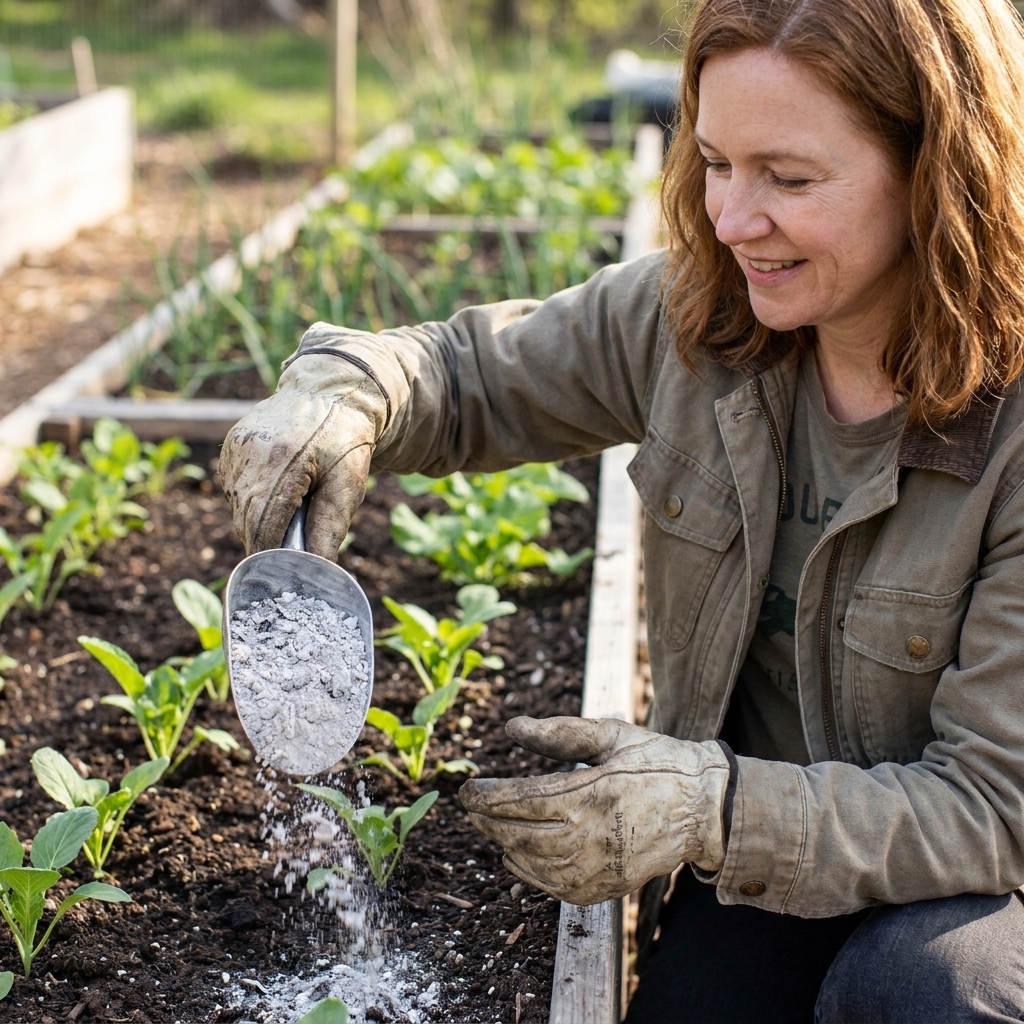
What wood ash actually does
Wood ash is what’s left after clean, untreated wood burns completely. It contains a mix of minerals, and in the garden it mainly acts like:
- A potassium source: Ash can provide quick potassium, which helps with flowering, fruiting, and overall plant resilience.
- A liming agent: Ash is alkaline, so it can raise soil pH. It is often faster-acting than ground agricultural limestone, and it is more variable from batch to batch.
- A calcium and trace mineral boost: You may also be adding calcium and small amounts of magnesium and micronutrients, depending on the wood.
The big catch is variability, and speed. Ash from hardwood versus softwood, a hot clean burn versus a smoky one, and how it was stored all change the nutrient levels. And because some of its alkalinity is readily soluble, the pH shift can happen quickly right where you apply it. That is why I treat wood ash as a “seasoning,” not a bulk fertilizer.
When wood ash is a good idea
Wood ash shines when you need a small boost of potassium or your soil tends to run acidic.
It can help if:
- You have acidic soil and want to nudge pH upward in controlled steps.
- Your garden beds are heavy feeders and you want to support blooms and fruiting (think tomatoes, peppers, squash) without adding more nitrogen.
- You are building soil with lots of acidic ingredients (pine needles, oak leaves) and need a little balance.
- You are trying to recycle a winter byproduct responsibly, in small doses.
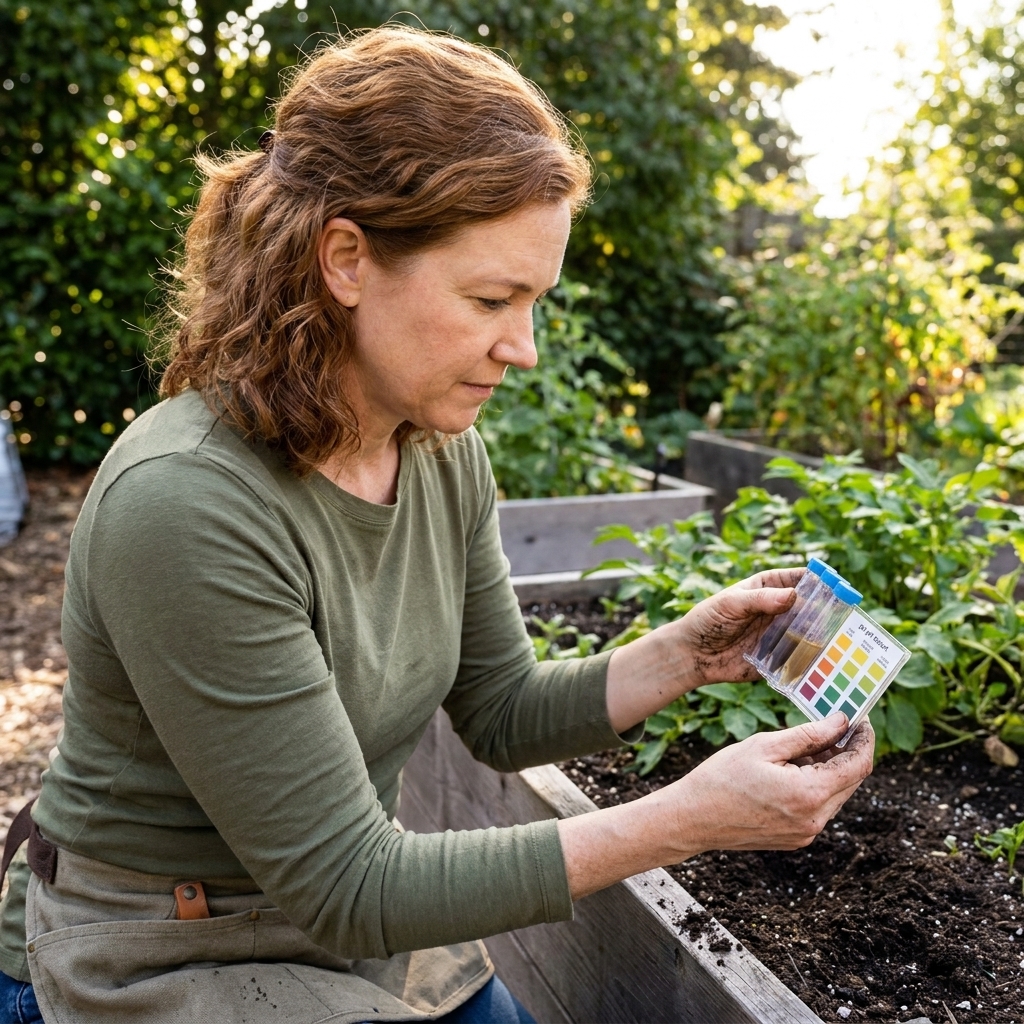
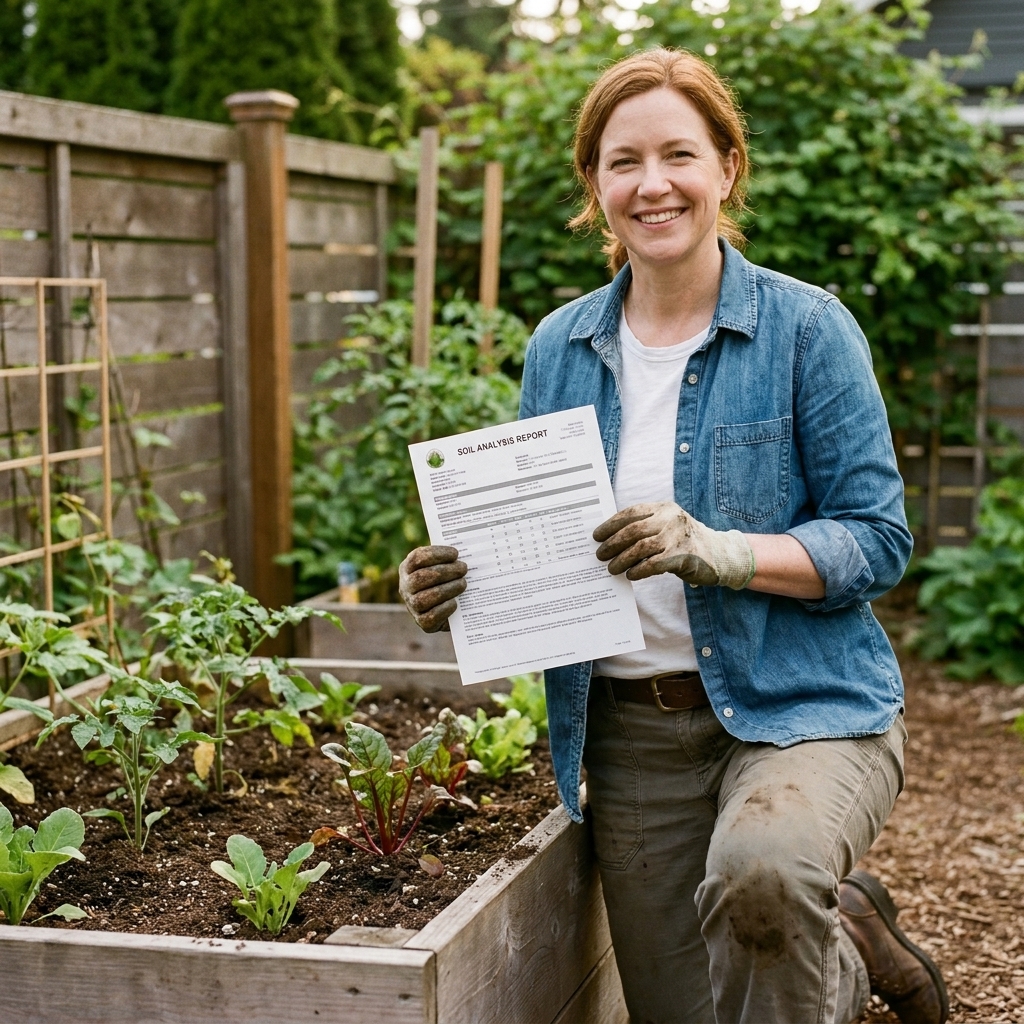
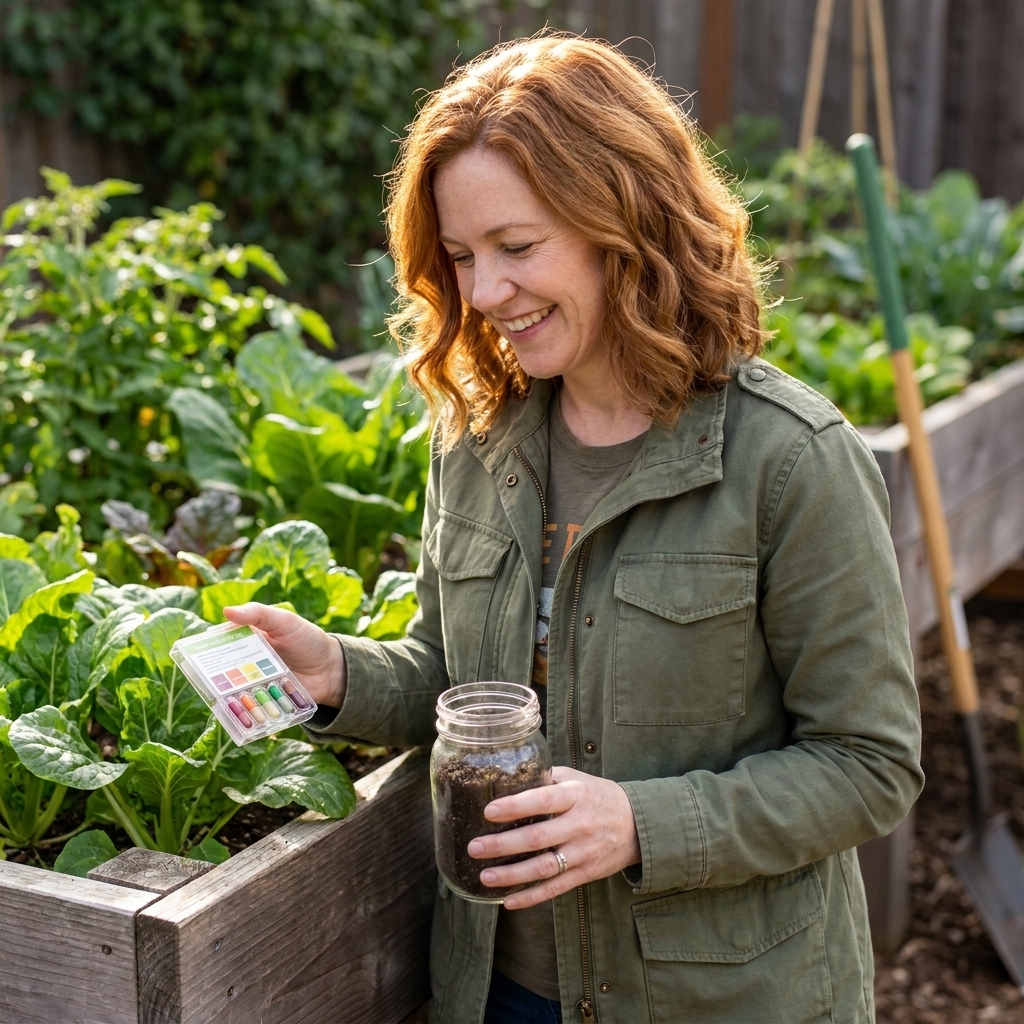
If you do not know your soil pH, wood ash is one of those amendments where a simple soil test is worth it. You do not need a lab coat, just a baseline so you are not guessing.
When wood ash is a bad idea
Because ash raises pH and contains soluble salts, there are situations where it causes more harm than good.
Avoid wood ash around:
- Acid-loving plants: blueberries, azaleas, rhododendrons, camellias, mountain laurel, heather, many hydrangeas (if you want them bluer), and often potatoes.
- New seedlings and fresh transplants: ash can be too harsh on young roots.
- Recently fertilized beds: especially if you used ammonium-based fertilizers or urea, because higher pH can increase nitrogen loss as ammonia.
- Soils that are already neutral to alkaline: many western and arid-region soils are naturally higher pH, and ash can push things into nutrient lockout.
Also skip it if your ash is not “clean.” If you burned painted, stained, pressure-treated wood, plywood, particleboard, glossy paper, charcoal briquettes, coal, manufactured logs, or trash, do not put that ash in your garden or compost. Those sources can introduce unwanted chemicals and heavy metals.

Wood ash benefits
1) Fast potassium support
Potassium is the nutrient gardeners often notice indirectly. Plants with enough potassium tend to handle heat swings better and produce sturdier flowers and fruit. Ash can provide a quick bump, which is helpful if your soil test shows low potassium or you have a bed that always seems to struggle with fruit quality.
2) A pH lift for acidic soil
If your soil is on the acidic side, wood ash can act like a liming amendment. Because it can work quickly in the zone where it lands, the safest way to get that “gentle nudge” is not one big dump. It is small, well-mixed applications, checked over time.
3) Calcium and trace minerals
Depending on the wood, ash can contribute calcium and other minerals. I still would not rely on it to fix major deficiencies, but as part of a broader soil-building routine, it is a nice bonus.
Wood ash risks
Risk: Raising pH too much
Too much ash can push soil alkaline, and that can reduce availability of iron, manganese, and zinc. Phosphorus availability can also shift depending on your soil chemistry. The result can look like a “mystery deficiency,” even though the nutrients are technically present.
Avoid it: Use small amounts, and re-test soil every season or two if you regularly apply ash.
Risk: Burning plants with salts and alkalinity
Fresh ash is caustic and salty enough to irritate tender roots and leaves. That is where the “burning” reputation comes from.
Avoid it: Never dump ash in a heap at the base of plants. Apply it thinly and keep it off foliage.
Risk: Surface crusting in clay soils
In heavy, compacted clay, thick layers of ash can contribute to surface crusting or sealing, which is the opposite of what we want for water infiltration.
Avoid it: Dust it lightly, then mix it into the top few centimeters (1 to 2 inches) of soil, or blend it into compost first.
Risk: Unknown contaminants
This is the non-negotiable one. Only use ash from clean, untreated wood.
How to apply wood ash safely
If you remember only one thing, make it this: wood ash should look like a light dusting, not a layer.
A quick safety note
Ash is fine and irritating. Wear gloves, and if it is dusty, consider eye protection and a dust mask. Keep it away from kids and pets, and do not spread it on windy days.
Step-by-step: my cautious, reliable method
- Start with cold, dry ash. Let it cool completely for at least 24 to 48 hours. Store it in a metal container with a tight lid until you use it.
- Sift out charcoal chunks. A little is fine, but big chunks do not spread evenly.
- Choose the right timing. I like applying ash in late winter or early spring before planting, or in fall after harvest.
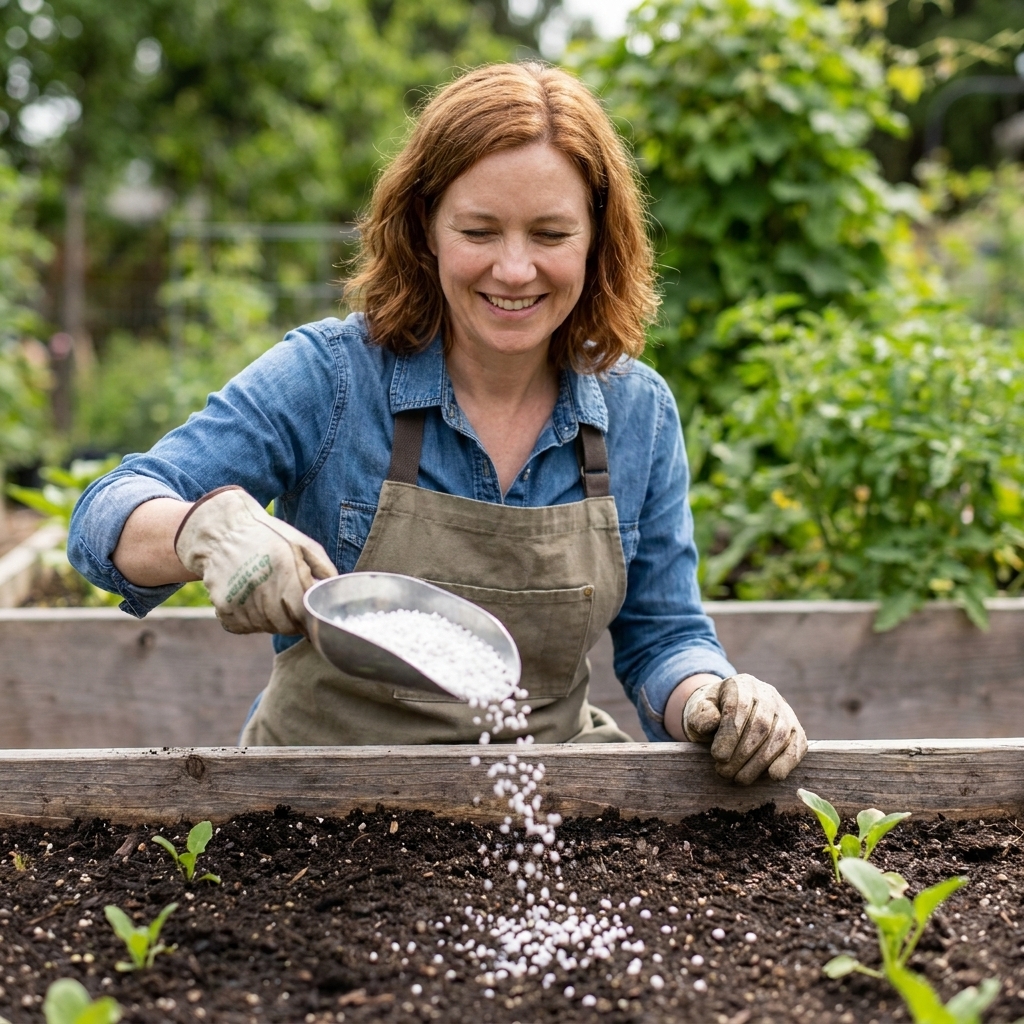
- Apply thinly. Sprinkle by hand with gloves on, or use a scoop and shake it like you are salting icy steps.
- Work it in. Rake it into the top 1 to 2 inches of soil, or water it in lightly to settle dust. Do not leave piles sitting on the surface.
- Give it a buffer before seeds and starts. If you are sowing or transplanting soon, apply and incorporate ash at least 2 to 3 weeks ahead of time, or keep it out of the planting band entirely.
- Keep it away from sensitive plants. Give acid lovers a wide berth, and do not apply right next to seedling rows.
How much to use (a practical home-garden range)
Because ash strength varies, I prefer to give ranges instead of one “magic” number. Also, volume measures can be a little squishy because ash density changes with moisture and particle size.
- For garden beds: start with about 1 to 2 cups per 10 square feet, once per year, mixed in well. (Very roughly, that is often in the neighborhood of 0.5 to 1 pound per 10 square feet, but ash can vary.)
- If you know your soil is quite acidic: you may be able to go higher, but do it in small seasonal steps, not a single big application. Better yet, follow your soil test lime recommendation and treat ash as a supplement, not the whole plan.
If you are tempted to use more than that, pause and do a soil test first. It is much easier to add a little more next season than it is to bring an over-alkaline bed back down.
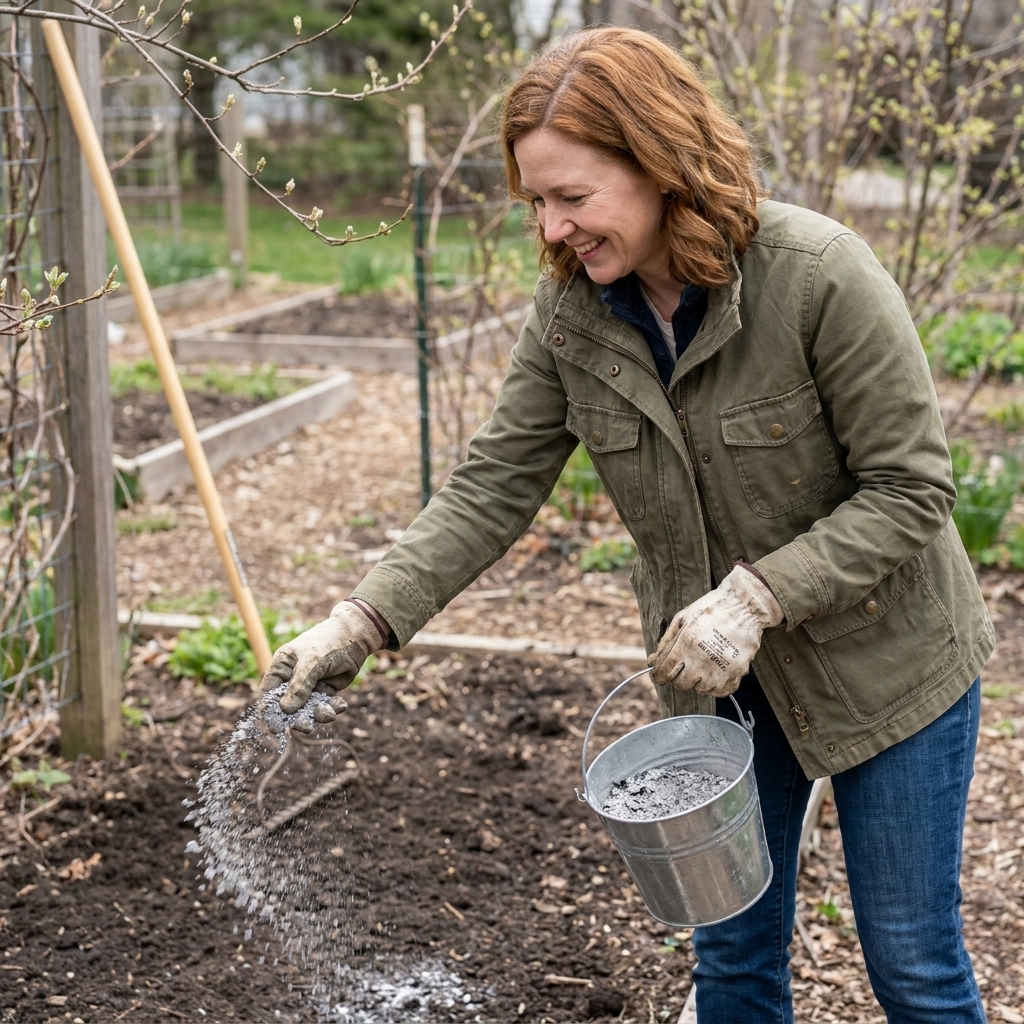
Best uses around the yard
In the vegetable garden
Use sparingly, mixed into soil before planting. Wood ash tends to pair best with crops that appreciate potassium and a near-neutral pH.
- Often fine candidates: brassicas (cabbage family), beans, peas, carrots, beets, tomatoes, peppers, squash (assuming your soil is not already alkaline).
- Use caution: potatoes can be more prone to scab in higher pH soils, so I generally avoid ash in potato beds.
In compost (the safer option for many gardeners)
If you are nervous about direct application, composting the ash is a gentle middle road. I like adding small pinches of ash to the compost pile, especially when the pile is heavy on kitchen scraps.
- Add ash in thin layers, not dumped in a bucket-full.
- Mix it in so it does not form dry pockets.
- Do not overdo it in nitrogen-heavy piles. If your compost already smells ammonia-ish, or you are using fresh manures or urine, skip the ash for a while. Higher pH can drive off nitrogen as ammonia.
- If your compost pile runs dry or slow, ash will not fix that. Moisture and good mixing matter more.
Compost helps dilute ash and reduces the risk of hot spots in the garden bed later.
Around fruit trees and shrubs (only if your soil is acidic)
For trees, I prefer a light broadcast under the drip line, then water in. Avoid piling anything against the trunk, ash included.
What not to do
- Do not apply ash right before a heavy rain if it is going to wash away into storm drains or waterways.
- Do not mix wood ash with nitrogen fertilizers (especially ammonium sulfate or urea) at the same time.
- Do not use it as a slug “ring” around plants. It turns into slippery paste after watering and can irritate plants.
- Do not use ash from charcoal briquettes, coal, or manufactured logs in the garden.
- Do not spread it on lawns like you are top-dressing with compost. It is too easy to overdo.
Quick troubleshooting
If you think you used too much
- Stop adding ash immediately.
- Water normally to help move soluble salts downward.
- Add compost as a buffering layer (it helps, but it will not instantly “undo” pH).
- Test pH when things dry out a bit, then decide next steps. If pH is high, elemental sulfur is sometimes used to lower pH, but go slowly and follow soil test guidance.
If plants look yellow after ash use
Yellowing, especially with greener veins, can be an iron or manganese availability issue from pH creeping up. A soil test will tell you if pH is the culprit or if something else is going on.
FAQ
Is wood ash the same as garden lime?
They do a similar job in that both raise pH, but they are not the same. Lime products are more consistent. Wood ash is more variable and can act faster right where it is applied, which is why small doses are safer.
Can I use ash from my fire pit?
Yes, if you burned only clean, untreated wood and no trash, painted wood, or starter fluids. If you used lighter fluid or burned questionable materials, keep that ash out of the garden.
Can I sprinkle wood ash directly on plants?
I would not. Keep ash off leaves and away from stems. Apply to soil, thinly, and mix in.
How should I store wood ash?
In a dry metal container with a lid. Make sure it is fully cold before storing. Damp ash makes a highly alkaline, irritating slurry that is messy and harder to apply evenly.
My simple rule
If your soil is acidic and you have clean wood ash, it can be a smart way to recycle nutrients. If you are not sure about your pH, or you grow a lot of acid lovers, wood ash is better treated as an occasional amendment, not a habit.
In my own beds, I use wood ash like I use strong compost tea. A little, on purpose, at the right time. The garden rewards that kind of restraint.