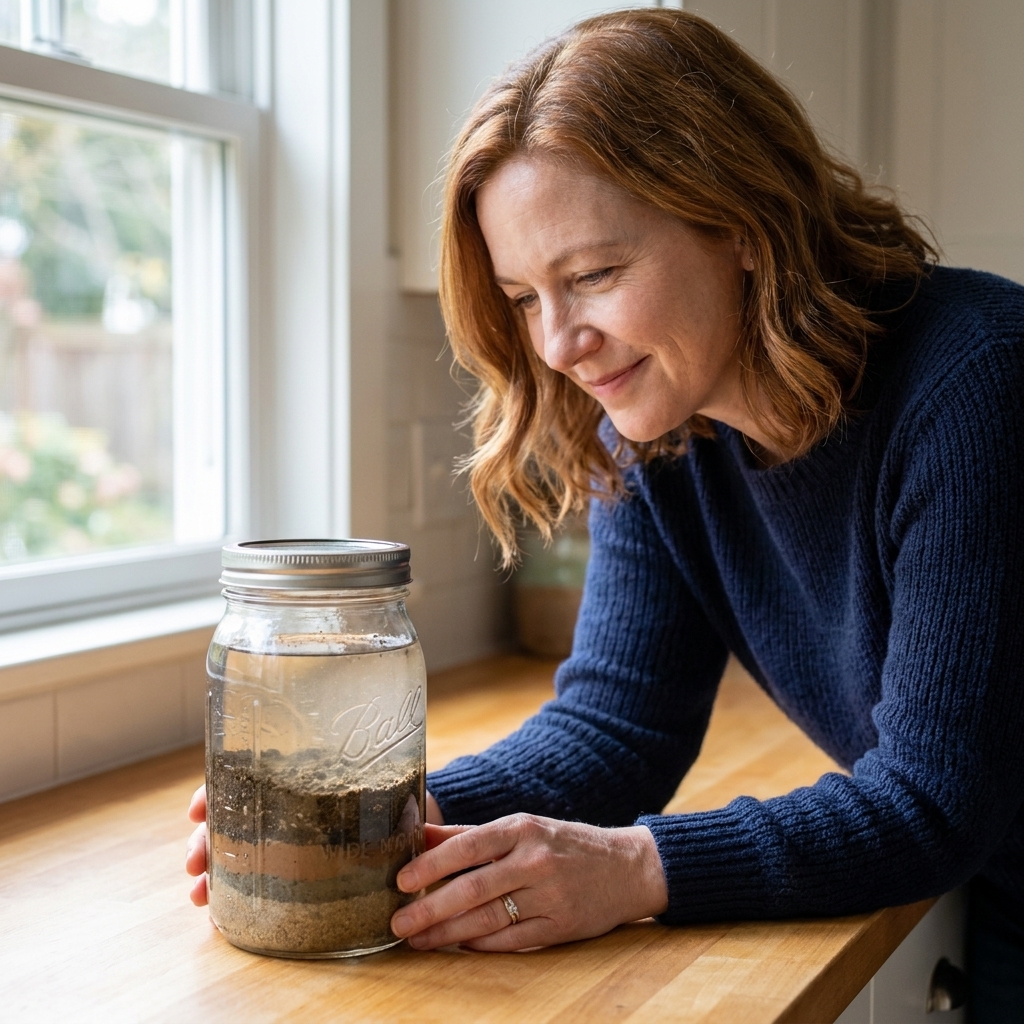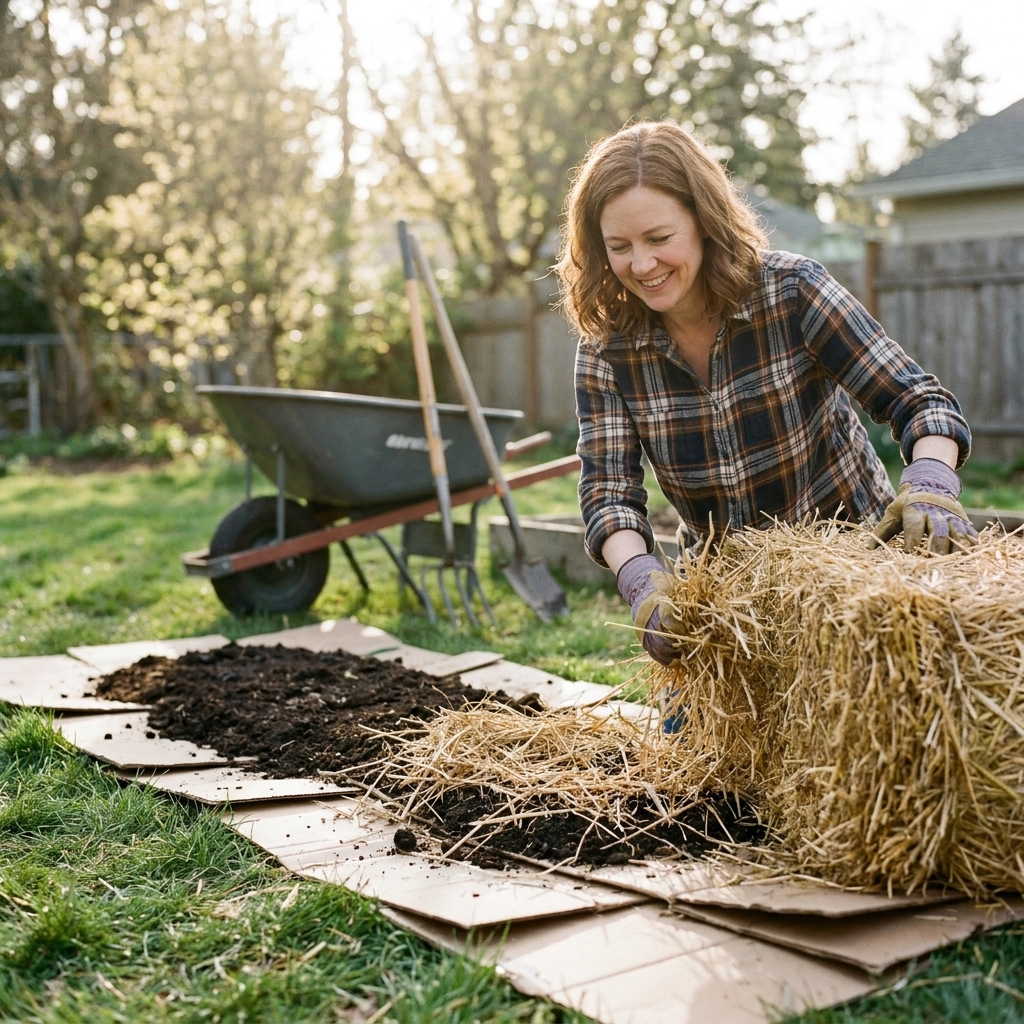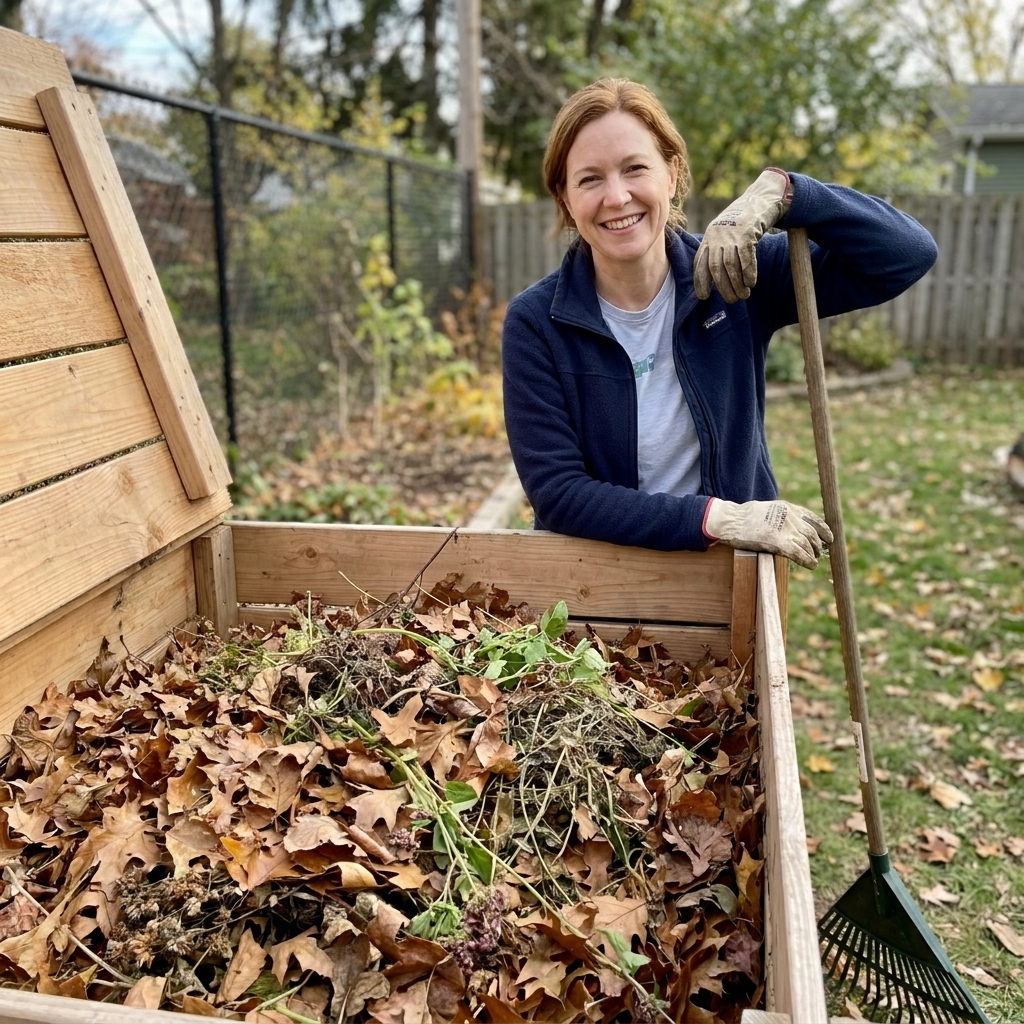
Twelve years ago, I tried to bully a vegetable garden into a yard that was basically compacted clay in disguise. The tomatoes sulked, the peppers stalled, and I learned the lesson every dirt nerd eventually learns: if the soil is struggling, everything on top of it will struggle too.
The good news is you do not need a lab report to get a real, useful read on your soil biology. Your eyes, your hands, and a small hole in the ground can tell you a lot. These are my go-to visual checks when I want to know, right now, whether my soil is alive and moving in the right direction.

Before you start: a quick soil check
You will get the clearest signals when soil is slightly moist, like a wrung-out sponge. If it is bone dry, everything looks dead. If it is soaking wet, everything smears and compacts.
Also, keep season in mind. Worms, fungi, and decomposition all surge in cooler, moist weather and slow down in heat, drought, or deep cold.
What to bring
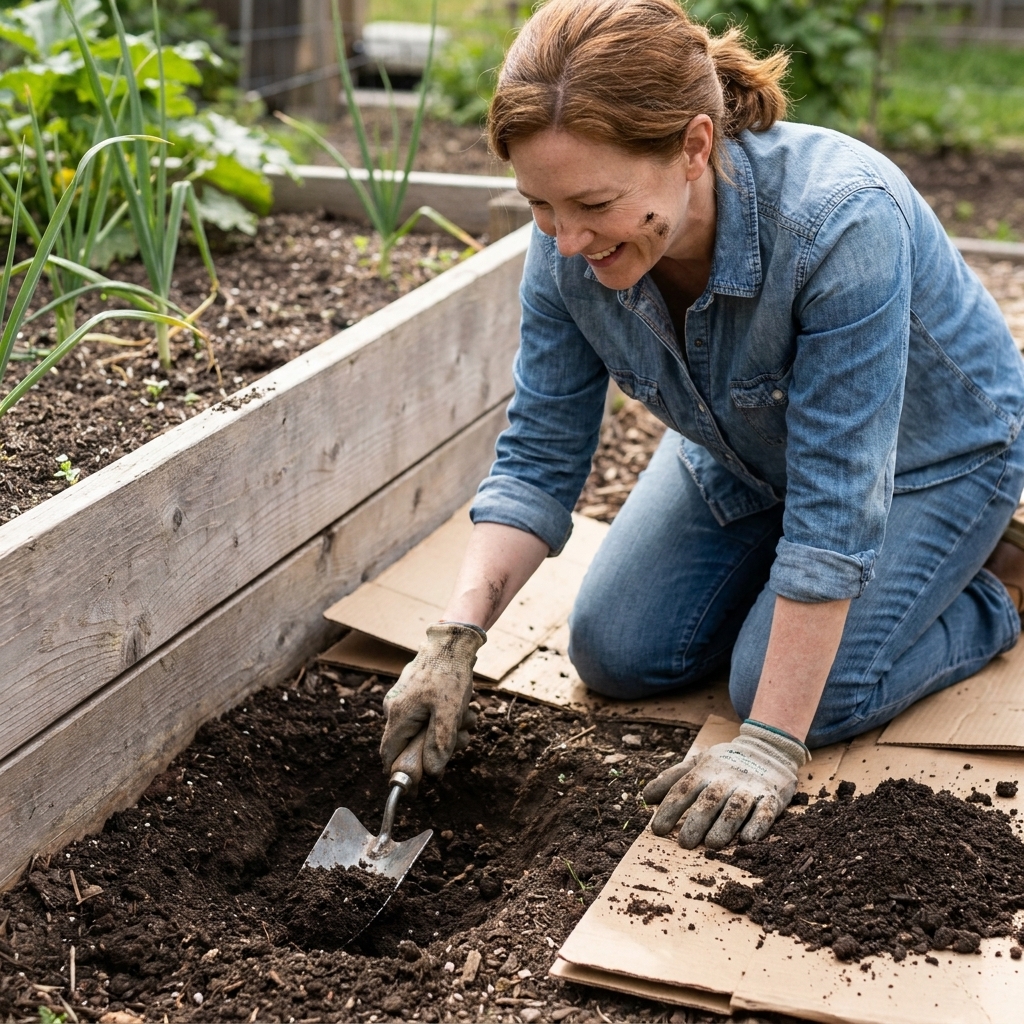
- A hand trowel or garden spade
- A towel or piece of cardboard to set soil on
- A small bucket or jar (optional)
- Your phone for photos so you can compare season to season
Where to look
Pick two spots: one where plants thrive and one problem spot. The comparison is where the learning happens.
1) Earthworms (and casts)
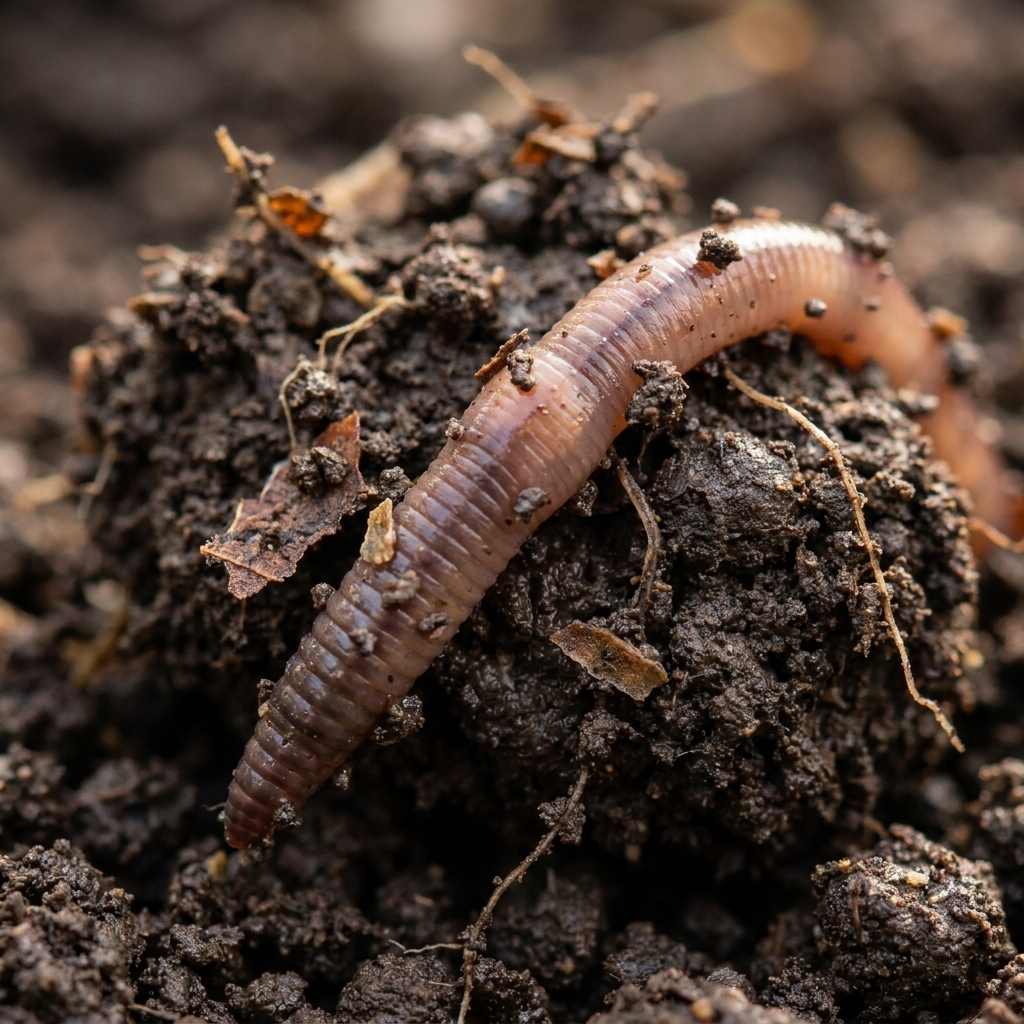
If I could only pick one indicator to check, it would be earthworms. Worms are not the whole soil food web, but they are an easy, reliable sign that conditions are comfortable: moisture, oxygen, and plenty of food.
What you want to see
- Often, a couple worms in the top 6 inches when you lift a spadeful
- Different sizes, including thin little juveniles
- Worm casts, which look like tiny dark crumbs or pellets on the surface or along burrows
What it usually means
Worms are telling you the soil is not constantly drying out, not heavily compacted, and has ongoing organic inputs like mulch, leaf litter, compost, or roots.
If you do not see any
Do not panic. Worms avoid hot, dry soil and can be scarce in very sandy beds or places that get baked all summer. Their numbers also swing with season and temperature. Try checking after a good rain, in spring or fall, or early morning. If they are still missing, focus on mulch, steady moisture, and reducing disturbance.
2) Crumbly aggregates
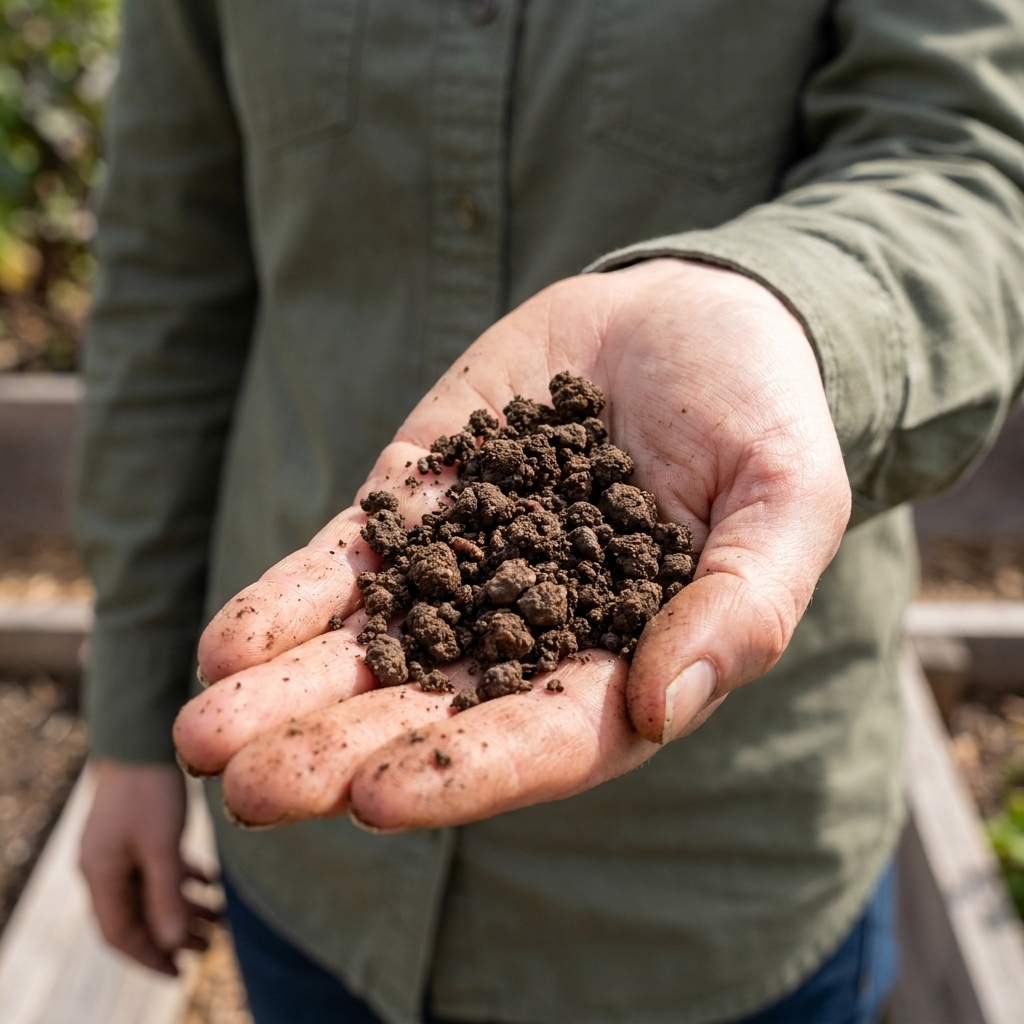
Healthy biology helps soil particles cling together into aggregates. Think of these as little soil apartment buildings: microbes and organic matter inside, with pores and hallways for air and water.
The quick hand test
Scoop a small handful and gently squeeze.
- Healthy sign: it forms a weak clump, then breaks into crumbs when you poke it.
- Less healthy sign: it turns to dust (often too dry or low organic matter) or smears into a putty-like ball (often too wet, compacted, or high clay with low structure).
Extra clue: rounded crumbs
Aggregates that look like rounded crumbs, not sharp blocks, often show steady biological “gluing” from roots, fungi, and bacteria.
3) Mycelium and fungi
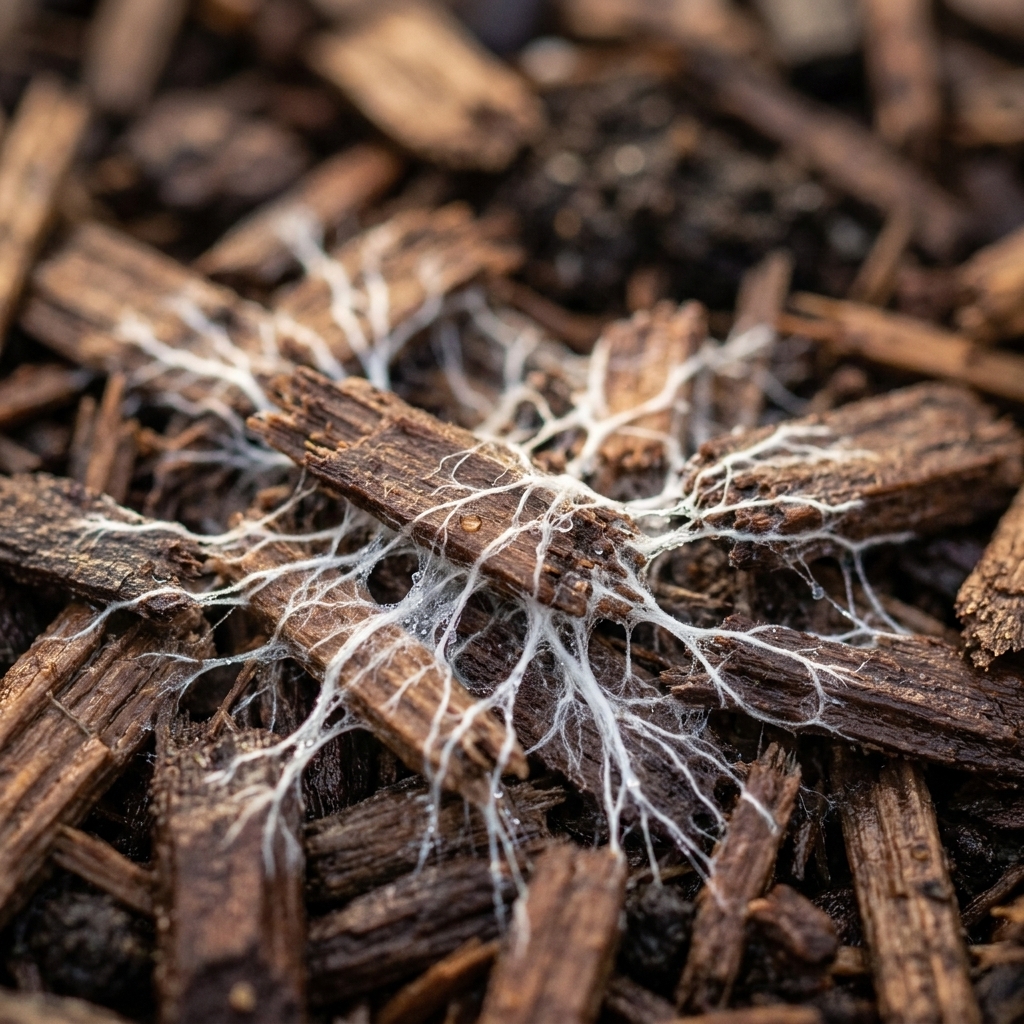
Those white, webby threads in soil or under mulch are often fungal hyphae, also called mycelium. Fungi are a huge part of the soil food web, especially in perennial beds, under wood chips, and around shrubs and trees.
What you want to see
- Fine white threads binding bits of mulch or soil together
- White fuzz on the underside of decomposing leaves or cardboard
- Occasional mushrooms popping up after rain, especially in mulched beds
Good caveats
Mushrooms can show up in newly mulched or recently disturbed areas too. I treat them as a sign that something is decomposing, not a gold-star guarantee that everything else is perfect.
Also, in very dry or salty conditions, a white crust on the surface can be mineral salts, not fungus. Mycelium looks threadlike and webby. Salts look more like a powdery crust.
What to watch out for
Not all white growth is “bad,” but learn the difference between threadlike mycelium and slick, gelatinous film or gray-black sludge. A sour smell and a greasy, anaerobic look usually means things are staying too wet and airless.
4) Root structure
Roots are one of the best windows into soil biology because roots and microbes are constantly trading. Plants leak sugars through their roots, and microbes help deliver nutrients back.
How to check
Gently dig next to a plant, lift a small section, and look at the root zone. If it is a small seedling or something you really do not want to stress, do this at the edge of the bed or on a “volunteer” plant instead.
What you want to see
- Lots of fine feeder roots, not just a few thick ones
- Roots branching in many directions instead of circling or stopping abruptly
- Roots penetrating downward, not staying in a tight, shallow pancake
What it usually means
Fine roots and steady branching suggest consistent moisture, good pore space, and an active rhizosphere. If roots are stubby or growing sideways, compaction or water issues are often part of the story.

5) Pores and channels
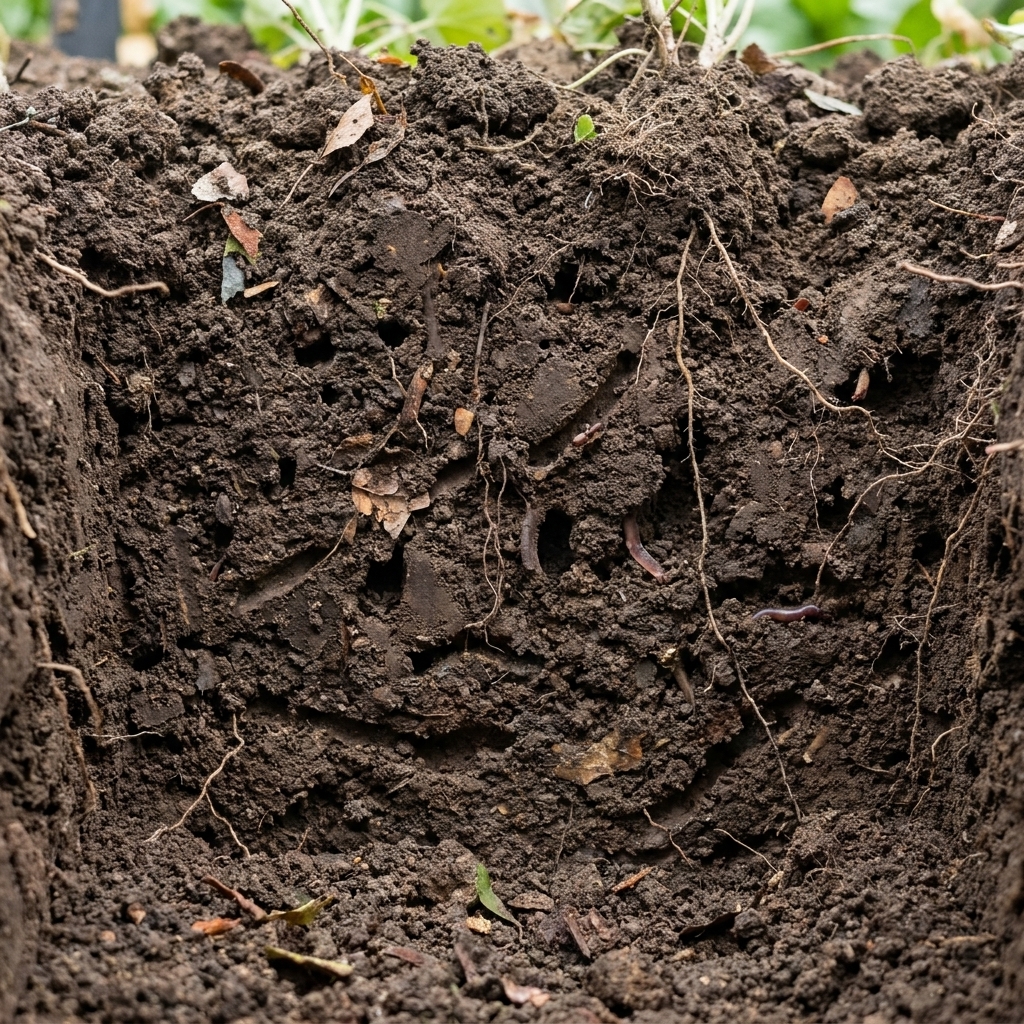
Soil biology creates architecture you can see. Worms, insects, and roots leave behind channels that act like tiny drainage pipes and air shafts.
What to look for in a spade slice
- Small holes and tunnels throughout, not just at the surface
- Old root channels, which look like thin tubes or seams in the soil
- Soil that is not layered into a hard “cap” on top of a dense slab
Why it matters
Those pathways are what keep your bed from turning into either a puddle or a brick. They help water soak in, roots push deeper, and oxygen reach microbes.
6) Decomposition in motion
Healthy soil biology is hungry, meaning organic matter breaks down at a steady pace instead of just sitting there unchanged.
Signs your decomposers are working
- Mulch layer thinning over time, especially at the soil contact point
- Leaves that tear easily and crumble after a few weeks or months
- Small fragments of organic matter being pulled down into the soil
A quick flip test
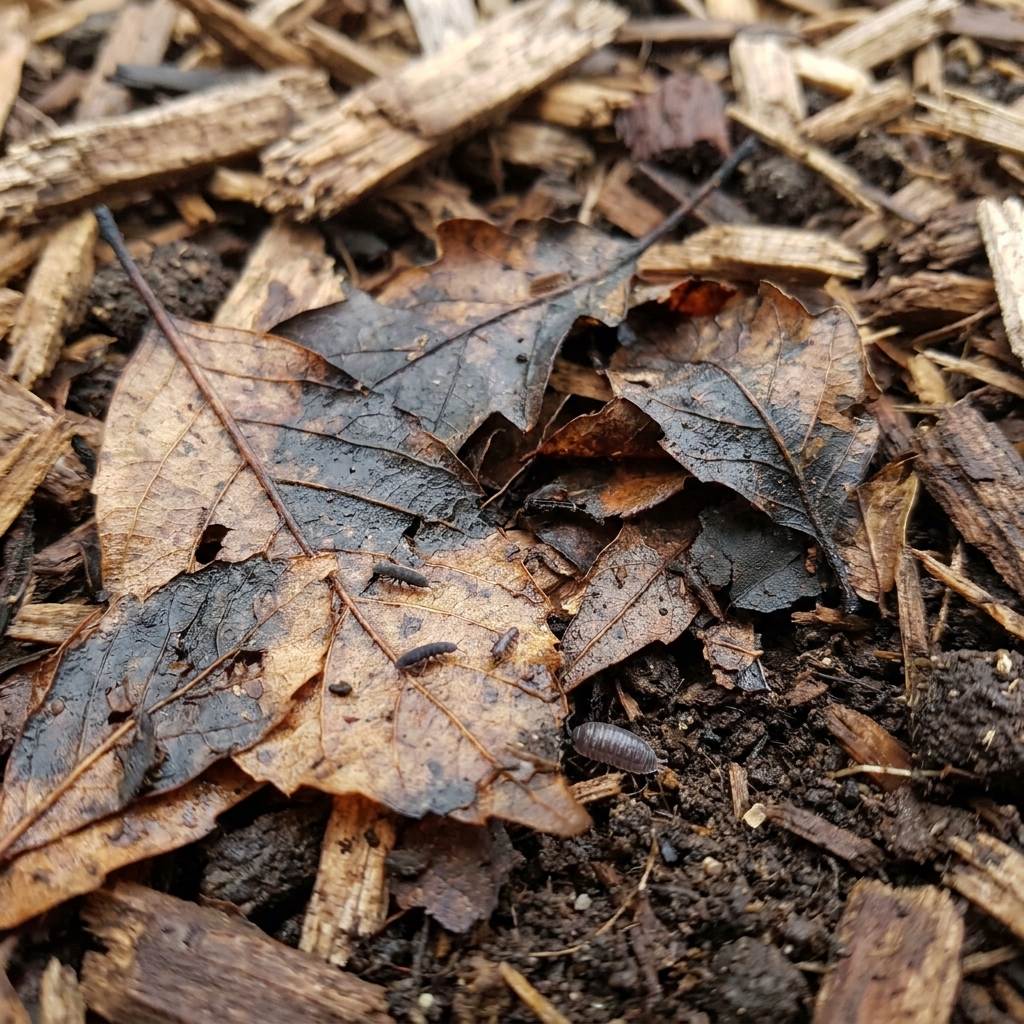
Gently lift mulch or leaf litter. If you see pill bugs, springtails, beetles, tiny mites, or worm activity, that is a busy cleanup crew at work.
7) Earthy smell and dark top layer
This one sounds folksy, but it is real. Soil with active biology tends to smell earthy and clean. That classic “after rain” smell is often linked to geosmin, a compound associated with actinomycetes (including Streptomyces) and other soil microbes.
What you want
- An earthy, forest-floor scent when you crumble a handful
- A darker top layer where organic matter is being incorporated
What to be cautious about
- Sour, rotten, or sewer-like smell: often signals anaerobic conditions from compaction or waterlogging
- Gray or bluish soil, especially with mottling: can point to low oxygen when it shows up alongside wetness, odor, and poor drainage
- Sticky soil by itself: is not always a red flag. Some soils are simply clay-rich. The bigger question is whether it stays airless and smeary or whether it dries into workable crumbs over time.
Putting it together
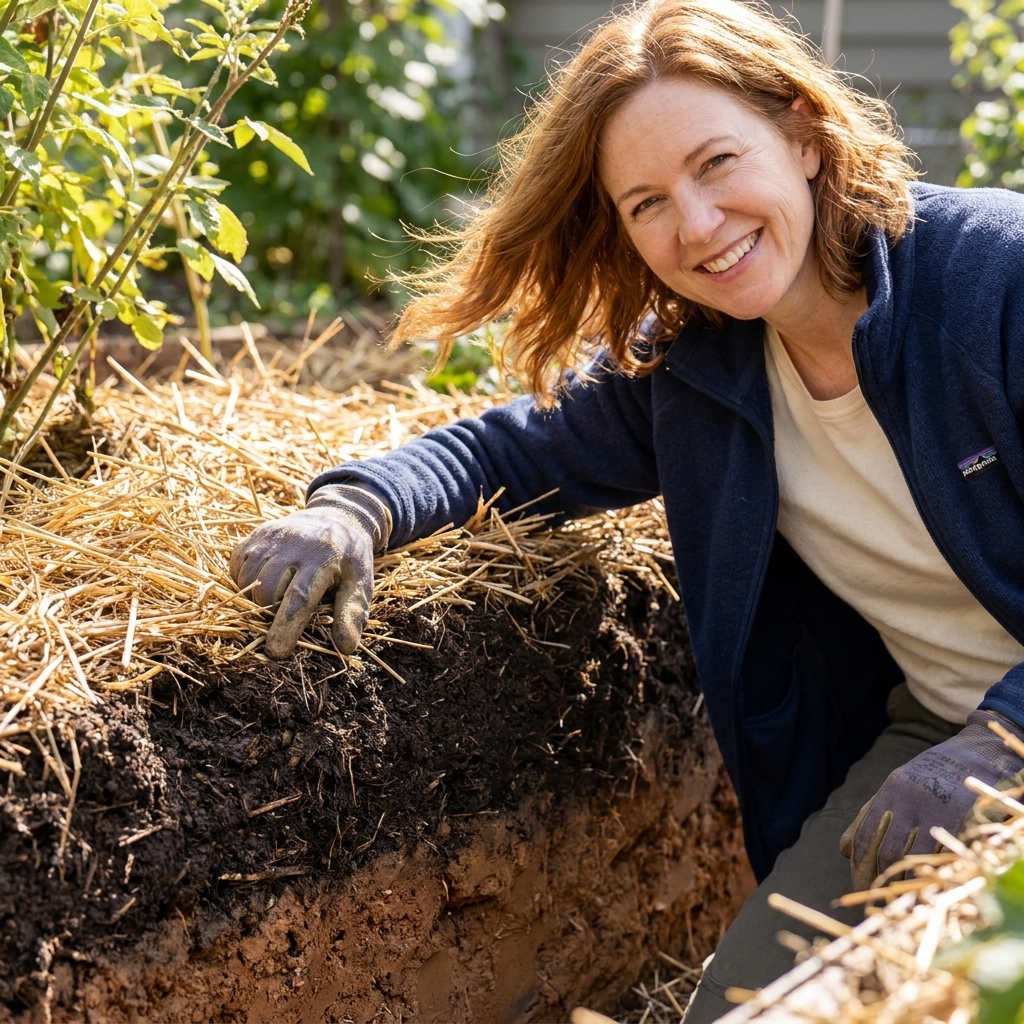
I like to think in patterns, not perfection. One missing indicator does not mean your soil is “bad.” It just tells you what to improve next. And remember, some signs fade in the peak of summer heat or during dry spells, then rebound when moisture returns.
- Seeing 5 to 7 indicators: your soil biology is likely thriving. Keep doing what you are doing, especially mulch and gentle disturbance.
- Seeing 3 to 4 indicators: you are on the right track. Add more organic matter and protect the surface.
- Seeing 0 to 2 indicators: start with the basics: reduce compaction, cover bare soil, and feed the system steadily.
Build soil biology
When my beds look sleepy, I return to the same small set of habits. They work because they support life in the soil, not because they are complicated.
- Keep soil covered: leaves, straw, grass clippings (thin layers), or wood chips in pathways.
- Add compost regularly: even a half-inch topdressing in spring and fall makes a difference.
- Water for consistency: deep, less frequent watering beats daily sprinkles for roots and microbes.
- Disturb less: try pulling plants and leaving roots in place instead of turning beds every season.
- Grow living roots as often as you can: cover crops, undersowing, or simply planting densely keeps the underground food supply going.
FAQ
How many earthworms should I see in healthy soil?
In a small spadeful, I am happy if I find a couple worms in an actively managed bed, and thrilled if I find several. The trend over time matters more than a single count, and worm activity shifts with season, moisture, and temperature. Check in spring or after rain for the fairest snapshot.
Is white fungus in my mulch a problem?
Most of the time, no. White mycelium in mulch usually means decomposition is happening. If the area smells sour or stays slick and waterlogged, improve airflow by pulling mulch back from stems, loosening compaction, and adjusting watering. If it looks like a white crust in a very dry area, consider that it might be mineral salts instead of fungus.
My soil is clay. Can it still have good biology?
Absolutely. Clay can become wonderfully fertile once it has structure. Focus on aggregates, pores, and a steady mulch and compost routine. Avoid working it when it is very wet, since that is when it smears and compacts.
When is the best time to do a visual soil assessment?
Early spring and early fall are my favorites, when moisture is steadier and heat stress is lower. That said, anytime you are already digging is a good time to look closely.