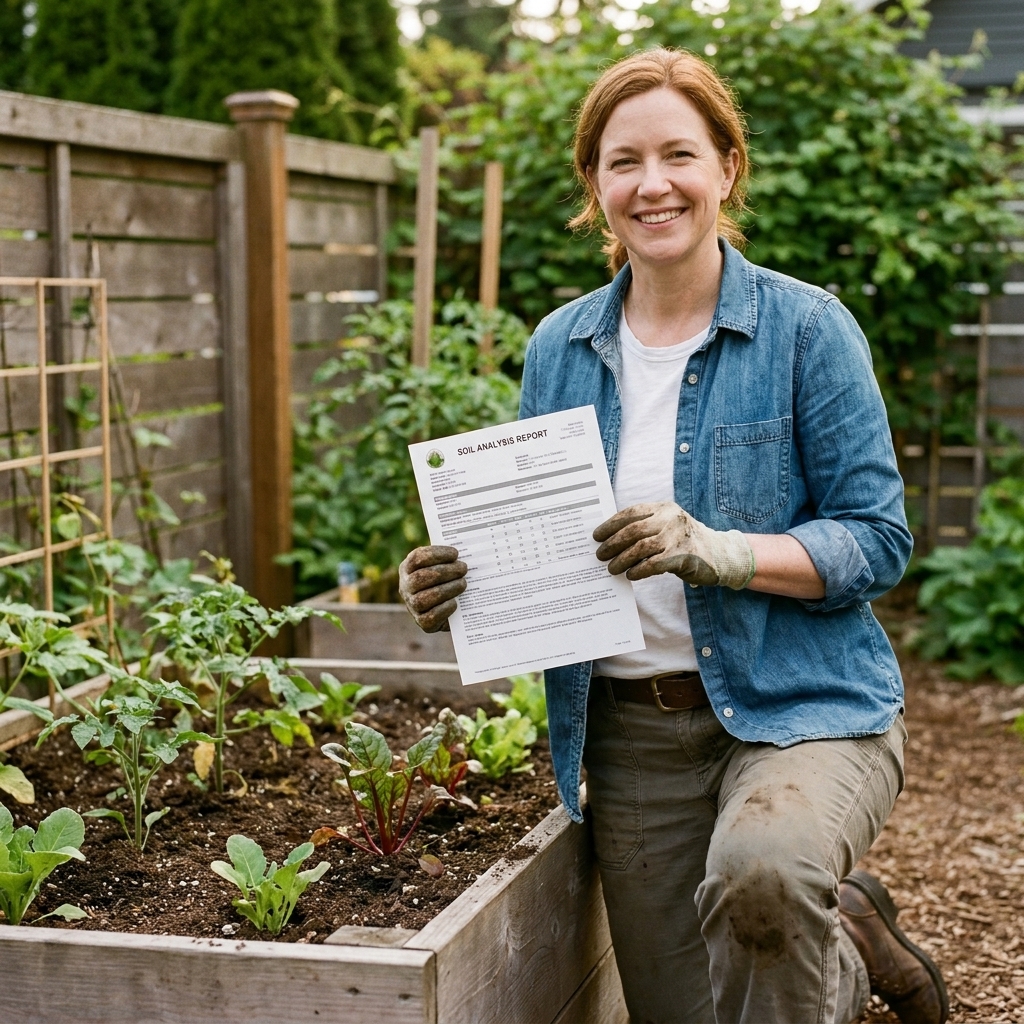
Twelve years ago, my first vegetable garden was basically a clay brick with ambitions. I could water it, mulch it, pep-talk it, and my tomatoes still looked like they were negotiating with gravity. Compost helped a ton, but the longer I gardened, the more I noticed something: organic matter is only half the story. If the “pantry” of minerals in your soil is running low, plants can still look tired even when you are doing all the right composting things.
That is where rock dust and Azomite come in. They are not magic. They are not instant. But they can be a gentle, long-game way to bring mineral diversity back into depleted beds, especially when you pair them with compost and good soil biology.
What remineralizing means
Remineralizing is exactly what it sounds like: adding back a broad spectrum of minerals that may be missing or tied up in your soil. In many home gardens, we add plenty of nitrogen, phosphorus, and potassium over the years through compost, manures, and fertilizers, but we rarely think about the secondary and trace minerals plants also use in small amounts.
These include calcium, magnesium, sulfur, and trace elements like iron, manganese, zinc, copper, boron, and molybdenum. Plants need them in tiny quantities, but “tiny” does not mean “optional.”
Why soils lose minerals
- Harvest removes minerals. Every basket of tomatoes and armful of greens is minerals leaving your yard.
- Disturbance and erosion. Tilling and bare soil make it easier for fine particles and nutrients to wash away.
- Years of single-input feeding. Repeated applications of the same fertilizers can skew balance.
- High rainfall or heavy irrigation. Some minerals leach downward over time, especially in sandy soils.
Remineralization is not about chasing perfection. It is about rebuilding resilience, the “broad diet” that supports healthier plants and the microbes that feed them.
Rock dust and Azomite
Volcanic rock dust (often basalt)
Volcanic rock dust is typically finely ground basalt or similar volcanic rock. In the garden, it is used as a slow-release mineral source that can supply a range of elements, often including calcium, magnesium, iron, and trace minerals. The exact profile depends on the quarry and the rock itself.
Think of it like a mineral “savings account,” not a checking account. It becomes available gradually as particles weather and as microbes and plant roots interact with it.
Glacial rock dust
Glacial rock dust is made from rock that has been ground by glacial movement and then collected and milled. Because glaciers scrape across different rock types, glacial dust can contain a wide mix of minerals. The exact mineral profile depends on where it was sourced.
Gardeners often like glacial dust for its broad-spectrum approach. The tradeoff is that it can be variable from brand to brand and region to region.
Azomite
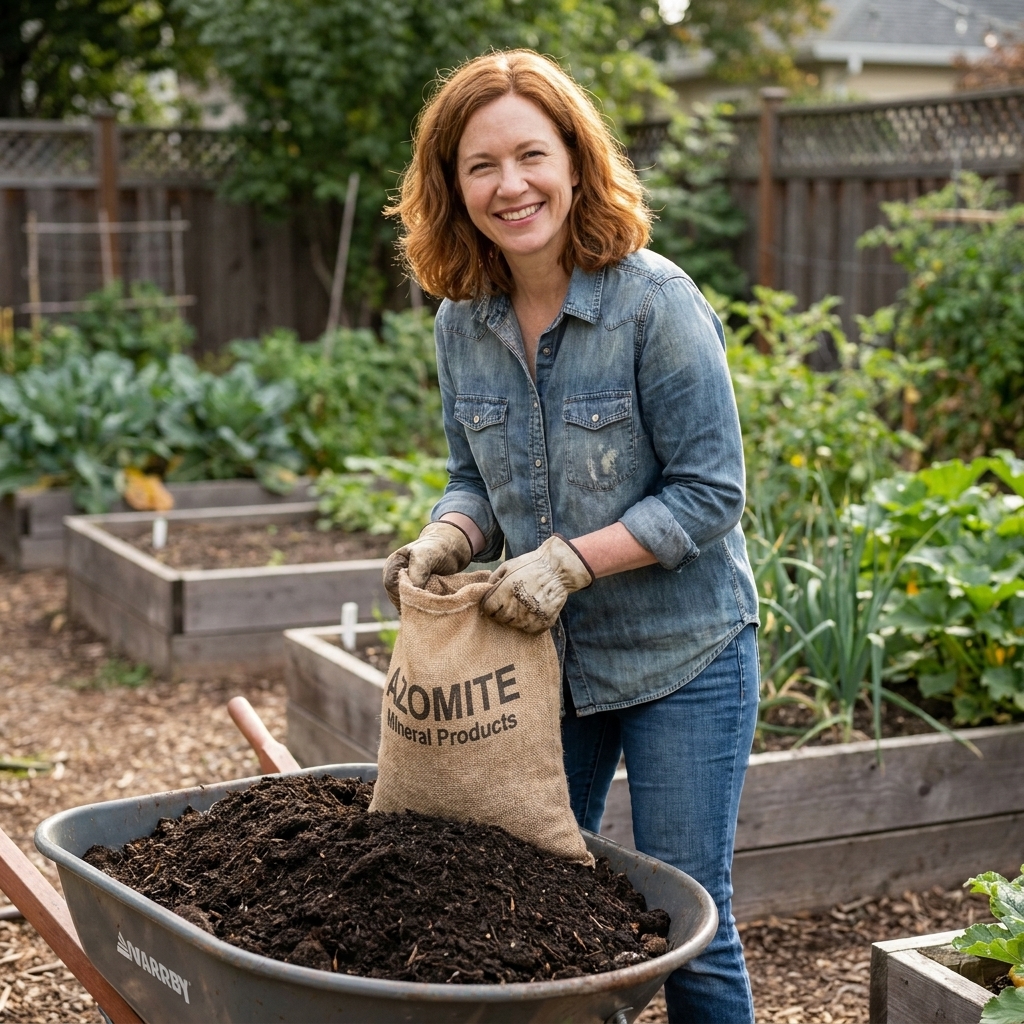
Azomite is a naturally mined mineral product from a volcanic ash deposit. It is commonly marketed as an “A to Z” source of minerals and trace elements. If you want the technical description, it is generally described as a hydrated sodium calcium aluminosilicate, mined in Utah (check the manufacturer documentation for the most precise wording).
In plain terms, Azomite is often chosen when you want trace elements in a convenient bagged form. Like other rock-based inputs, it is slow to moderate in release, and it performs best when soil life is active.
Benefits and limits
I like rock dust for one main reason: it can make good compost even better. Compost brings biology and carbon. Rock dust can bring mineral diversity that biology can help unlock.
Just keep expectations realistic: evidence and outcomes vary. Some gardeners see noticeable improvements, some see subtle changes, and some see very little, especially if their soil already has decent mineral levels. Results depend heavily on your baseline soil, pH, moisture, and biology.
What you may notice over time
- Better overall vigor in tired beds that have been cropped hard.
- Flavor and storage improvements that some gardeners report in fruits and roots when plant health and mineral balance improve.
- Sturdier growth in certain crops, depending on your soil and what it was missing.
- Smoother nutrient cycling as microbes and fungi work with a broader mineral toolkit.
- Long-term structure support as mineral particles integrate with organic matter.
What not to expect
- Instant greening like nitrogen. If your plants are yellow today, rock dust is not a quick fix.
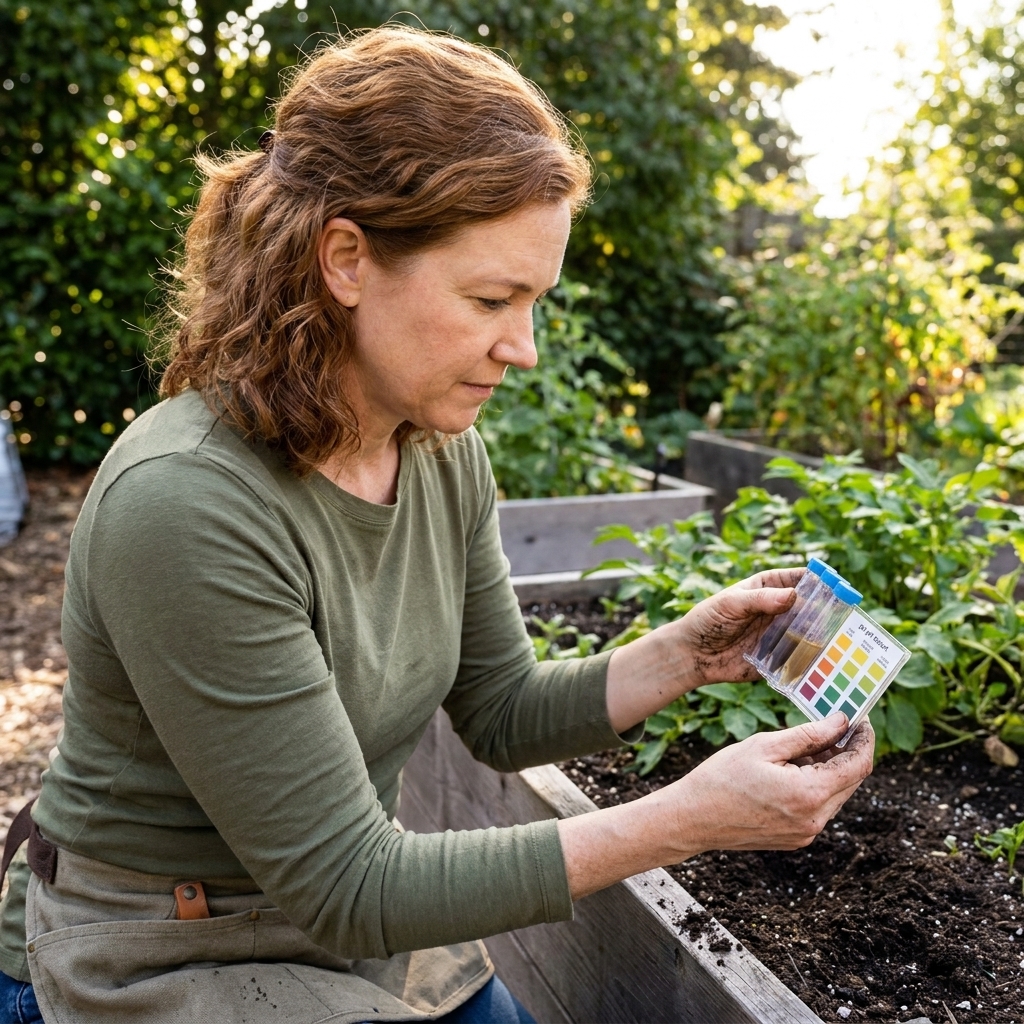
- A guaranteed fix for pH problems. Some rock materials can be somewhat alkaline, but most rock dust products are not a precise or reliable way to adjust pH. Use lime or sulfur if pH is the issue, guided by a soil test.
- Guaranteed results without biology. In cold, dry, or lifeless soil, mineral release is slower.
If you are working with compacted clay or sandy “beach soil,” remineralizing is still worth considering, but pair it with compost, mulch, and gentler soil handling. Minerals alone will not fix texture or drainage.
When they help most
These amendments shine in a few specific situations I see a lot with readers and neighbors:
- Raised beds planted intensively for years with frequent harvests.
- New beds built with purchased topsoil of unknown quality or “screened fill” that grows weeds better than carrots.
- Sandy soils that drain fast and do not hold nutrients well.
- Gardens relying on wood chips or high-carbon mulches where you want to support fungal and mineral cycling.
- Compost-heavy systems where macronutrients seem fine but plants still feel “meh.”
Clues your soil may be short on minerals
No single symptom proves “mineral depletion,” but these patterns are common:
- Good compost habits, yet yields slowly decline year after year.
- Plants look pale or weak despite feeding.
- Blossom end rot keeps showing up even with consistent watering (often water stress plus calcium availability).
- Thin flavor, especially in tomatoes and melons, in soil that otherwise seems healthy.
The best confirmation is a soil test. If you can swing it, ask for a standard lab test that includes pH, macronutrients, and micronutrients, plus organic matter percentage. If your lab offers it, CEC can be useful context too. The big goal is to avoid guessing, especially before adding a lot of any one mineral source.
One more edge case worth knowing: in very alkaline soils, micronutrients like iron and manganese can get locked up. Adding trace minerals does not always solve that without also addressing pH and overall soil conditions.
How to apply
You do not need fancy equipment. You do need a little patience and a willingness to mix thoroughly so you do not end up with patches of concentrated dust.
Option 1: Blend into compost (my favorite)
If you compost at home, this is the easiest way to get even distribution.
- When: Add during building a new pile or when turning.
- How: Sprinkle a thin layer between layers of kitchen scraps and browns.
- Why it works: Composting acids and microbial activity can help weather mineral particles faster.
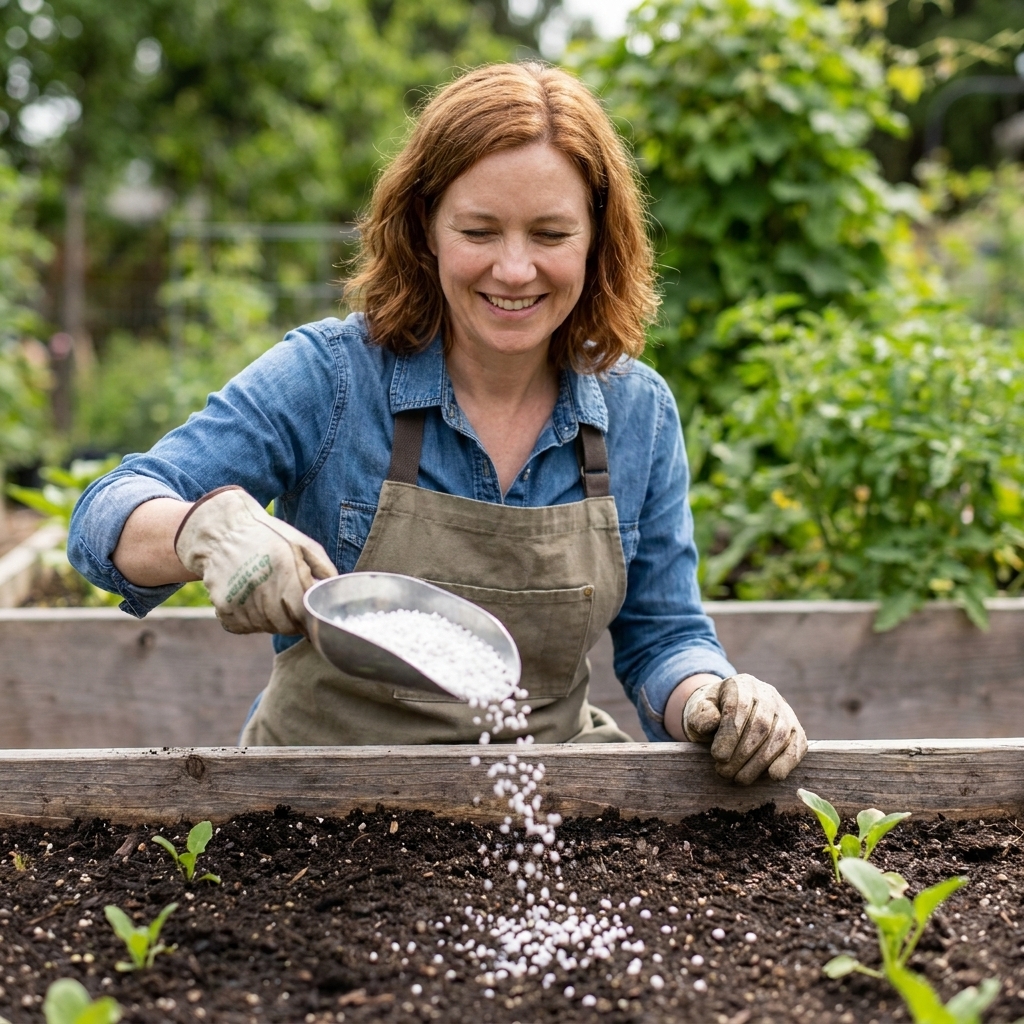
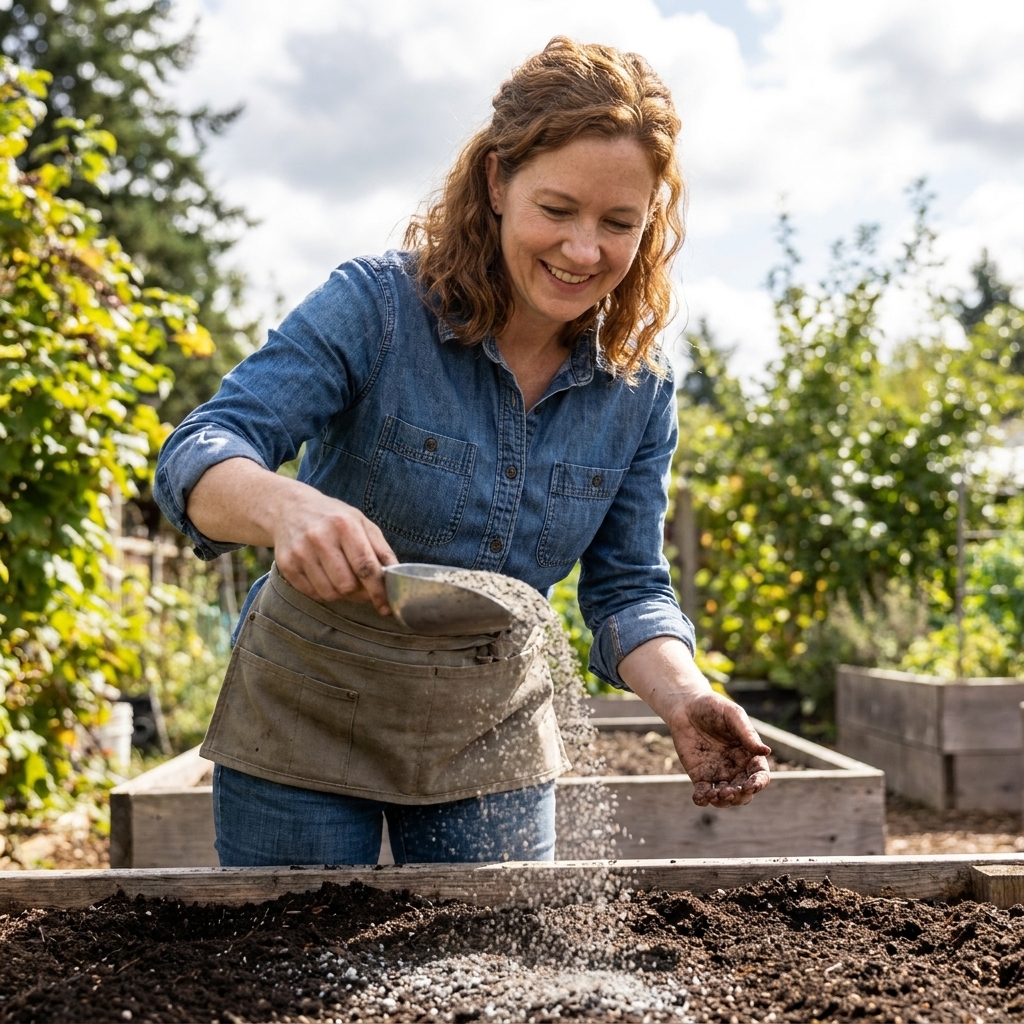
Option 2: Top-dress beds
- When: Early spring before planting, or fall after cleanup.
- How: Sprinkle evenly over the bed, then rake in lightly or cover with compost and mulch.
- Tip: Apply on a calm day. This stuff floats.
Option 3: Mix into potting soil (carefully)
Containers can benefit, but remember: pots are small ecosystems. Too much of anything can create issues.
- How: Mix thoroughly into the potting blend before planting.
- Pair with: Finished compost or worm castings for biology.

How much to use
Application rates vary by product and by how depleted your soil is. Always check the bag first, and if you have a soil test, let that guide how aggressive you get. The ranges below are practical starting points that line up with common home-garden label guidance.
Rock dust in beds
- Light maintenance: about 2 to 5 pounds per 100 square feet
- Rebuilding depleted beds: about 5 to 10 pounds per 100 square feet
Azomite in beds
- Typical range: about 1 to 3 pounds per 100 square feet (default to the label, since rates can vary by crop and use)
In compost piles
- Rule of thumb: a few cups per wheelbarrow of fresh materials, sprinkled in thin layers
Two notes from muddy experience:
- More is not better. Over-applying can waste money and can nudge nutrient balance in unhelpful directions.
- Go slow and re-evaluate yearly. Remineralizing is a check-in-each-season habit, not a one-and-done event.
When it starts working
Rock-based amendments are slow. I think in seasons, not weekends.
- Best-case: You may see subtle improvements within one growing season, especially if added to compost.
- More typical: Noticeable changes show up over 6 to 18 months as minerals weather and soil life incorporates them.
- Long-term: The real payoff is often year two and beyond, when your soil feels more forgiving.
If you want a quicker boost while you wait, rely on compost, diluted liquid feeds, and consistent watering. Let the rock dust do its quiet background work.
Safety and sourcing
Dust safety
Rock dust is, well, dust. Avoid breathing it in.
- Apply on a calm day.
- Wear a snug dust mask if the product is very fine.
- Wet the soil lightly after application to keep it from blowing.
Heavy metals and quality
Because these products come from mined deposits, quality matters. “Natural” does not mean metal-free. Reputable brands provide test results showing levels of metals within safe limits for soil amendments.
- Look for: a published lab analysis or COA with clear numbers. Ideally it includes lead (Pb), arsenic (As), cadmium (Cd), and mercury (Hg), and sometimes chromium (Cr) and nickel (Ni), plus the testing method.
- Be cautious with: mystery “rock dust” from unknown sources.
Do not use rock dust to fix everything
If your soil test shows a specific deficiency or an extreme imbalance, targeted amendments might be more appropriate. Rock dust is broad-spectrum, which is great when you need breadth, but not ideal when you need precision.
Rock dust vs. Azomite
If you are standing in the garden center holding two bags, here is how I decide at home.
Choose rock dust if:
- You want a general, long-term mineral rebuild.
- You are already doing lots of composting and mulching.
- You like the idea of slow release and background support over time.
Choose Azomite if:
- You want an easy trace mineral boost at a smaller application rate.
- You are amending containers or small beds and want something straightforward.
- You are comfortable with your main fertility plan and want to round things out.
You can combine them
Many gardeners do. If you combine, keep rates modest and let compost do the heavy lifting for biology and moisture retention.
My favorite trio
If you take nothing else from this, take this trio:
- Compost for biology, slow nutrition, and water holding.
- Rock dust or Azomite for mineral diversity.
- Mulch to protect the surface, feed fungi, and keep moisture steady.
That combination is what finally turned my old clay yard into something I can actually call soil. Not perfect soil. But living, crumbly, productive soil that keeps getting better instead of wearing out.
FAQ
Will rock dust change my soil pH?
Usually not in a reliable way. Some rock products can have a slight liming effect depending on the source, but if pH is your main problem, use a soil test and choose amendments meant for pH adjustment.
Can I use rock dust with worms and vermicompost?
Yes, in small amounts. A light sprinkle can add grit and minerals, but too much fine dust can compact wet worm bedding. Keep it modest and balance with fluffy carbon materials.
Is this safe for edible gardens?
Generally, these products are sold for edible gardens, but safety depends on sourcing and testing. Stick with brands that provide lab results and follow label rates.
What is the difference between basalt and glacial rock dust?
Basalt dust comes from a single volcanic rock type and is often more consistent. Glacial dust is a mix ground by glaciers and can be broader, but also more variable depending on where it was collected.
Do I still need fertilizer if I use rock dust?
Most gardens still need a fertility plan, especially for nitrogen in heavy-feeding crops. Rock dust and Azomite are more about micronutrients and long-term balance than providing big, immediate NPK.