Twelve years ago I tried to grow tomatoes in a yard that could have doubled as a pottery studio. Hard clay, puddles that never drained, and plants that looked offended by the whole situation. That season taught me something I still repeat to anyone who will listen: the garden is only as good as the dirt.
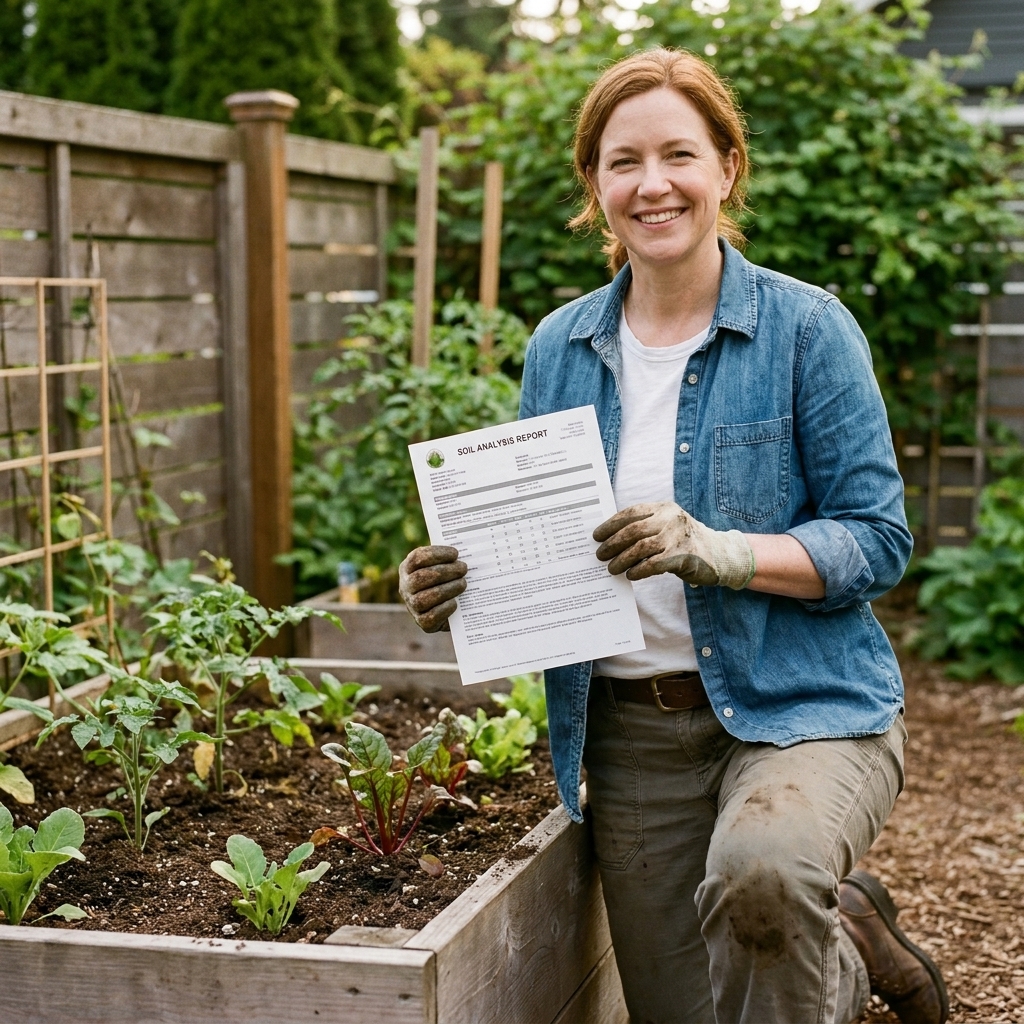
If you have ever looked at a soil test and seen CEC (cation exchange capacity) with a number next to it, you have bumped into one of the best clues we have for understanding soil fertility. It sounds like a chemistry lecture, but it is really a simple idea: how well your soil can hold onto certain nutrients and share them with roots.

What CEC means
Cation exchange capacity measures how many positively charged nutrient ions your soil can hold on its surfaces. Those positively charged nutrients are called cations, and they include some of the biggest players in plant health:
- Calcium (Ca)
- Magnesium (Mg)
- Potassium (K)
- Ammonium nitrogen (NH4)
- Sodium (Na) in smaller amounts, and sometimes in problem amounts
Soil particles and organic matter act a bit like tiny magnets with lots of parking spaces for these nutrients. CEC tells you how many parking spaces your soil has.
When plant roots need nutrients, they trade other ions (often hydrogen ions) to swap nutrients off those surfaces. That swap is the “exchange” part.
One important detail: CEC mostly applies to cations. Some nutrients, like nitrate (NO3-), are negatively charged and are not held by CEC the same way. That is one reason nitrogen can still leach even in soils with decent CEC.
Why CEC matters
CEC helps explain three common garden mysteries:
1) “Why do my nutrients disappear after a big rain?”
If you have sandy soil with low CEC, nutrients do not have many places to stick. Water moves through quickly, and nutrients can leach down out of the root zone. You fertilize, it rains, and it feels like you did nothing.
2) “Why does my soil test show nutrients, but plants still struggle?”
Sometimes the nutrients are there, but the soil chemistry and growing conditions are not set up to release them well. CEC does not work alone. Soil pH, moisture, oxygen levels, and the balance of base cations (calcium, magnesium, potassium, sodium) all influence how available nutrients are to plants.
3) “Why does my clay soil grow weeds like champs but my seedlings sulk?”
Clay often has a higher CEC, which means it can hold lots of nutrients. The downside is that clay can crust, compact easily, run low on oxygen when waterlogged, and warm slowly. High CEC is not automatically “better” if structure and drainage are poor.
What affects CEC
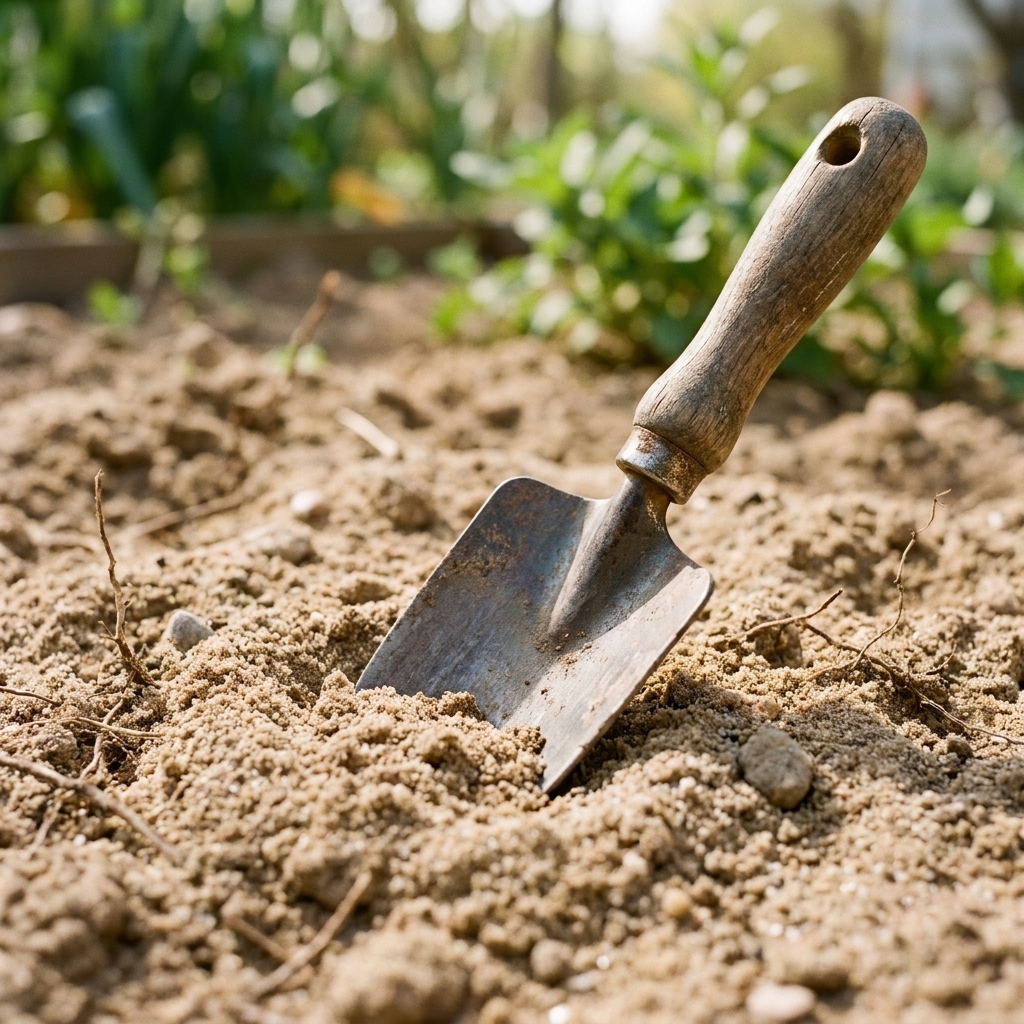
In most garden soils, the baseline CEC mostly comes from two things:
Organic matter
Humus and other stable, humus-like organic compounds carry a lot of negative charge and offer many nutrient holding sites. Compost helps feed this process, but compost is not the same thing as humus. Think of it like this: compost is the input, and over time it breaks down into more stable organic matter that behaves a lot like humus.
Even small increases in organic matter can noticeably improve nutrient retention, especially in sandy soils.
Clay type and amount
Not all clays behave the same, but in general, more clay means more surface area, more charge, and higher CEC. This is why many clay soils test with a higher CEC than sandy soils.
Sand has comparatively low surface area and fewer charged sites, so sandy soils usually have lower CEC.
Then there is the “it depends” factor: pH can change the effective CEC, especially in soils where organic matter and variable-charge minerals play a big role. More on that below.
CEC on a soil test
CEC is usually reported in cmol(+)/kg (sometimes written as meq/100g in older reports). You do not have to memorize units. Just know that a higher number generally means more nutrient holding capacity.
Every lab uses its own method and reference ranges, and CEC can be reported as CEC or ECEC (effective CEC). That means comparisons across different labs are not always apples to apples.
Still, these broad buckets can help gardeners get oriented. Treat them as rough and method-dependent:
- Very low (often under ~5): nutrient leaching is common, frequent light feeding works better than big doses
- Moderate (often ~5 to 15): holds nutrients reasonably well, steady organic matter additions shine here
- High (often ~15 to 30+): strong holding power, but pay attention to structure, drainage, and pH
The goal is not chasing a “perfect” CEC number. It is using CEC to choose the right strategy for fertilizing and building soil.
CEC and base saturation
CEC tells you how many nutrient parking spaces exist. Base saturation tells you which nutrients are currently parked there, usually as percentages of:
- Calcium
- Magnesium
- Potassium
- Sodium
If a soil has decent CEC but is overloaded with sodium, plants can struggle and soil structure can fall apart. If magnesium is too dominant relative to calcium, clay soils can feel tighter and more stubborn.
This is why two gardens can share the same CEC number and behave very differently. The “who is sitting in the seats” matters.
One caution flag worth knowing: high sodium combined with high pH can point toward sodic conditions in some soils. Fixes like gypsum are sometimes recommended, but this is a “follow the soil test” moment, not a DIY guessing game.
How compost changes things
If you hang around Compost Grove long enough, you will hear me say this repeatedly: compost is not just fertilizer, it is infrastructure. Here is what compost does in CEC terms:
- Builds stable organic matter over time, increasing nutrient holding sites as materials break down and mature in soil
- Buffers swings by helping soil hold and release nutrients more steadily
- Improves structure, which makes nutrients and water easier for roots to access
In low CEC sandy soil, compost can be a game changer because it reduces leaching and helps fertilizer stick around long enough for plants to use it.
In higher CEC clay soil, compost improves aggregation, airflow, and root exploration so the nutrients you already have become easier to access.

How to fertilize with CEC
If your CEC is low
- Feed lighter, more often instead of one big application
- Prioritize compost and mulch to build organic matter and reduce leaching
- Consider slow-release sources (like composted manures or organic granular blends) rather than highly soluble products
- Water smart: deep watering is fine for roots, but avoid excess volume or overly frequent irrigation that pushes nutrients below the root zone
If your CEC is high
- Be careful with over-fertilizing, because nutrients can accumulate
- Focus on structure: compaction, drainage, and low oxygen can limit root uptake even when nutrients are plentiful
- Keep an eye on pH, since pH strongly affects nutrient availability in high holding soils
Either way, the best move is still the same: match amendments to what a soil test and your plants are telling you, not what the bag promises.
CEC and pH
CEC and pH often travel together because many of the charged sites on organic matter and some clays become more active as pH rises. Practically speaking:
- Very acidic soils can have lower effective CEC and more issues with aluminum and manganese toxicity
- Very alkaline soils can lock up certain nutrients (like iron), even when CEC is high
This is why a complete soil test is so useful. CEC answers “holding power,” while pH helps answer “can plants actually use what is held?”
Can you increase CEC?
You can improve your soil’s effective nutrient holding and nutrient sharing, but you cannot instantly change your soil’s fundamental texture without physically importing a different soil.
For most home gardens, the realistic and reliable approach is:
- Add finished compost regularly
- Keep soil covered with mulch or living roots (cover crops when possible)
- Reduce tilling so organic matter sticks around longer
- Grow roots year-round when you can, because roots feed soil life and help build stable aggregates
You might hear about adding biochar, clay amendments, or specialty products. Some can help in specific situations, but for most everyday gardeners, compost and consistent ground cover do the heavy lifting.
Common myths
“High CEC means my soil is automatically fertile.”
High CEC means the soil can hold nutrients. It does not guarantee the nutrients are there, balanced, or available at your soil’s pH.
“Low CEC means I can’t grow anything.”
Low CEC just means you have to garden differently. Sandy soils can be wonderfully productive with compost, mulch, and steady feeding.
“CEC is the same as organic matter.”
Organic matter strongly influences CEC, but clay content and clay type matter too. You can have moderate organic matter and still a high CEC if you have clay heavy soil.
Quick backyard clues
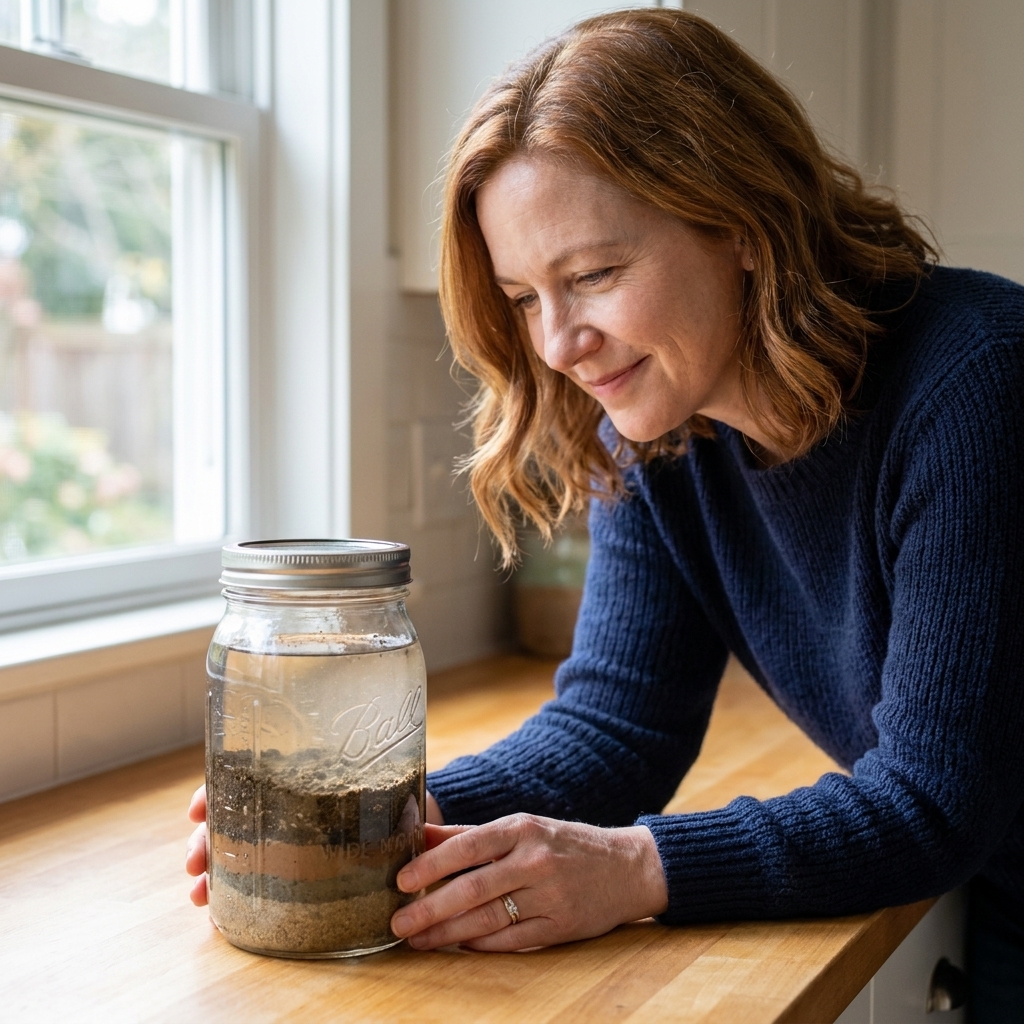
A soil test is the gold standard, but you can often guess your CEC direction from texture and behavior:
- Fast draining, dries quickly, fertilizer seems to vanish: likely lower CEC
- Sticky when wet, hard clods when dry, holds moisture a long time: likely higher CEC
- Dark, crumbly, earthy smell, easy to work: often improved organic matter and better nutrient cycling regardless of texture
FAQ
What is a good CEC for vegetables?
There is not one magic number. Many productive gardens sit in the moderate range, but I have seen fantastic vegetables in both sandy low-CEC beds and clay higher-CEC plots. The best CEC is the one you understand, so you can fertilize and build soil accordingly.
Does compost raise CEC right away?
Compost can improve nutrient retention fairly quickly near the surface where you apply it. The bigger, longer-lasting gains come as organic materials continue breaking down in soil into more stable, humus-like forms over seasons.
Is CEC the reason my plants get deficiencies?
Sometimes it contributes, especially in sandy soils where nutrients leach. But deficiencies can also come from pH issues, poor root health, compaction, low oxygen, inconsistent watering, or simply not enough nutrients added.
Should I add lime because my CEC is low?
Lime is mainly a pH tool and a calcium source. Whether you need it depends on your pH and your soil test recommendations, not your CEC number by itself.
The compost-minded takeaway
CEC is just a fancy way of describing something gardeners already feel in their bones: some soils hang onto goodness, and some let it wash away. If you remember one thing, make it this:
CEC tells you how your soil holds positively charged nutrients. Compost helps your soil hold them more steadily and makes the whole system work better for plants.
If you have a soil test with a CEC number and want help interpreting it, I always recommend reading it alongside pH, organic matter, and the base saturation breakdown. That is where the real story of soil fertility lives.