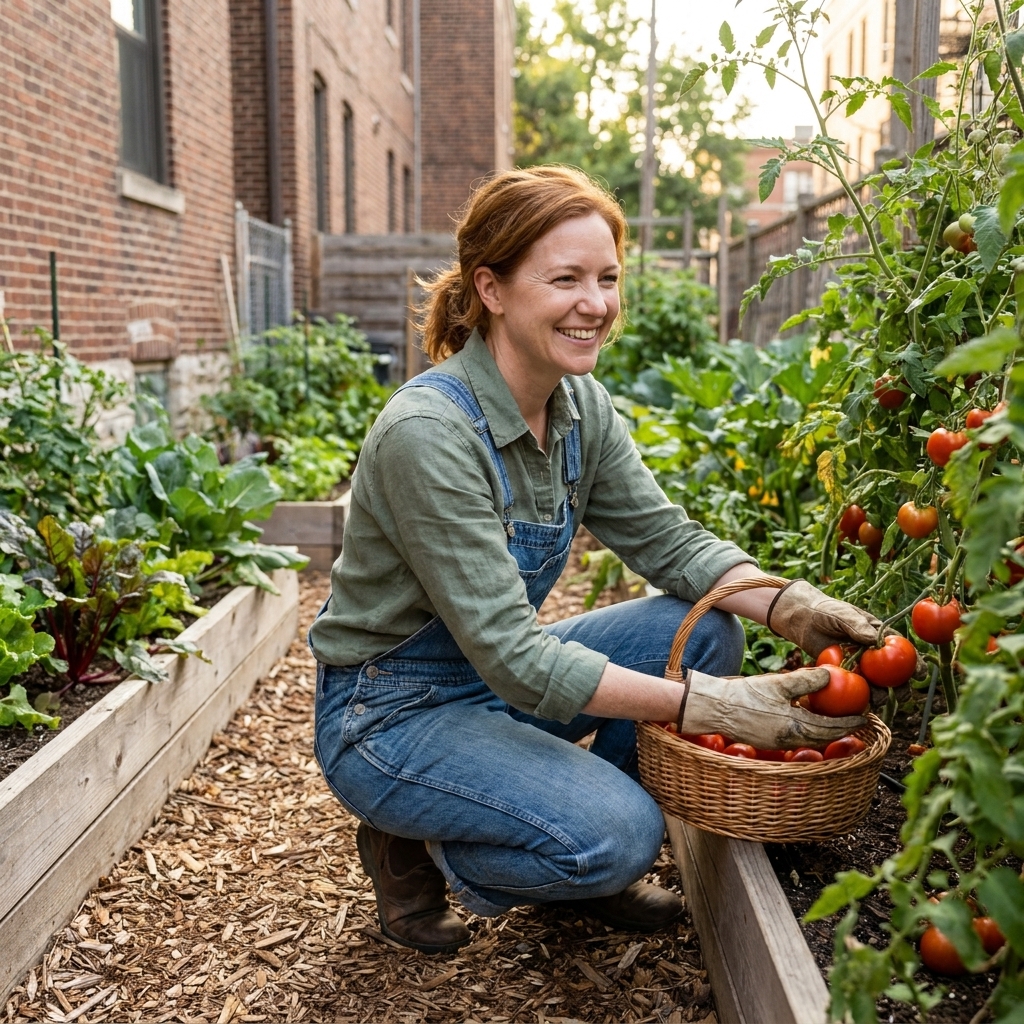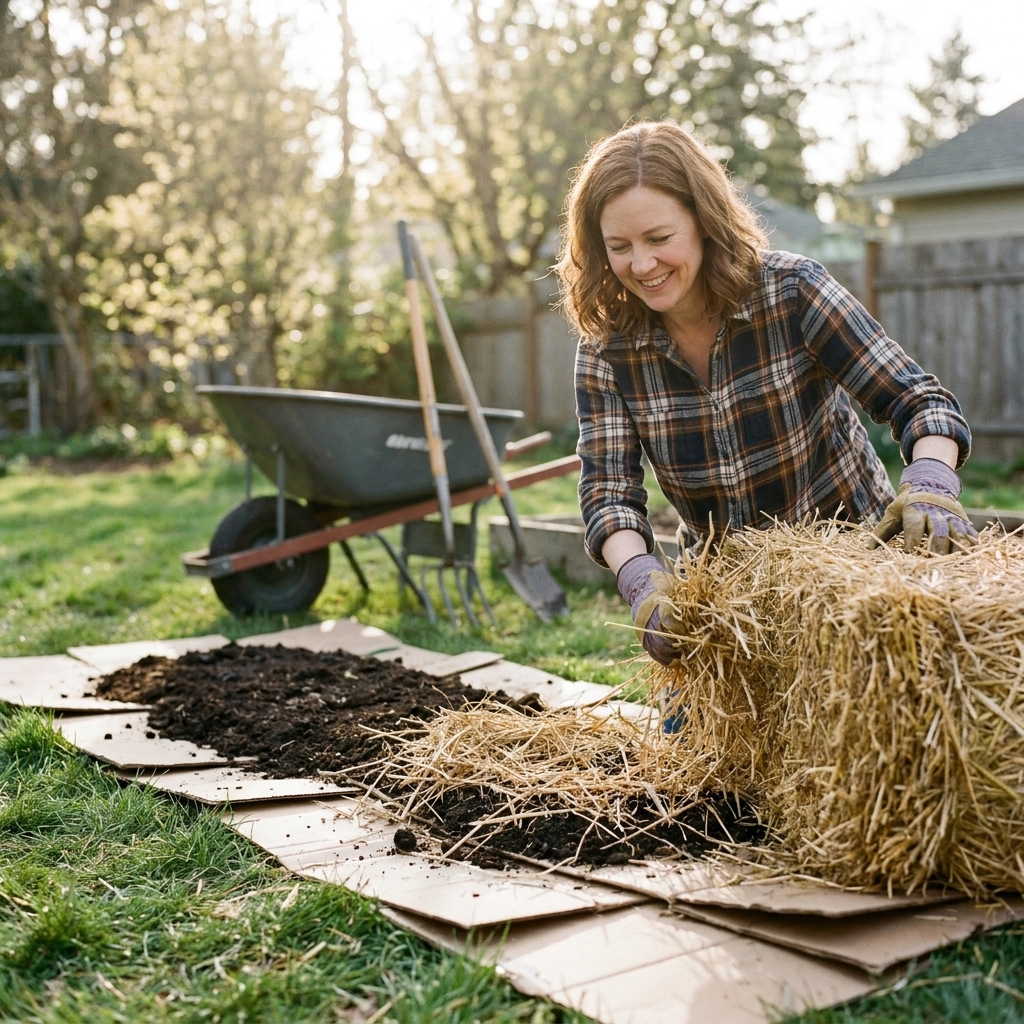
My first vegetable garden was a confidence builder in exactly one way: it taught me fast that “good dirt” is not a given. In older neighborhoods and busy suburbs, the soil can also come with baggage, especially lead from old paint and historic vehicle emissions, plus other metals and chemicals left behind by decades of living, driving, building, and repairing.
The good news is you do not have to guess. A solid soil test can tell you what you are working with, and there are plenty of safe, practical ways to garden even if your numbers come back high.
Why heavy metals show up in city gardens
Heavy metals occur naturally in soil, but urban and suburban yards often have extra sources layered on over time. The main one gardeners run into is lead, but it is not the only concern.
Common sources
- Old exterior paint (especially homes built before 1978): lead paint chips and dust can concentrate in soil near foundations and drip lines.
- Historic vehicle emissions: leaded gasoline for on-road vehicles was phased out by the mid-1980s in the US, and it left residues near roads and busy intersections. (Some specialty fuels still contain lead today, but the big legacy issue in garden soil is the old on-road era.)
- Pressure-treated wood: older treated lumber could contain arsenic (CCA). Modern treated wood uses different preservatives, but older landscape timbers and salvaged wood can still be an issue.
- Fill dirt and construction debris: buried rubble, ash, or unknown fill can introduce metals and other contaminants.
- Former industrial or agricultural use: machine shops, dry cleaners, orchards (historic arsenical pesticides), and rail corridors can elevate metals.
- Roof drip lines: runoff can carry particles from old roofing materials or nearby dust.
Most of the time, contamination is patchy. One corner of a yard can test clean while another spot by the house or driveway tests high. That is why sampling location matters so much.
When you should test (and when it is optional)
If you garden in a newer subdivision with imported topsoil and you are growing flowers in raised beds, testing might feel like overkill. In many older neighborhoods, testing is just smart housekeeping.
Test your soil if any of these apply
- Your home was built before 1978, especially if exterior paint is peeling or you have ever scraped or sanded it.
- You are gardening near a busy road or an older roadway, especially within the first several yards where roadside dust tends to settle the most.
- You see paint chips in the soil, or bare soil under old siding or a porch.
- Your yard has unknown fill, buried debris, or a history you cannot verify.
- You are growing edibles directly in native soil (not just in imported soil in raised beds).
- You are starting a community garden on a vacant lot or near older buildings.
Testing is still helpful (but less urgent) if
- You garden only in new, lined raised beds with purchased soil and compost, and you keep kids and pets out of bare native soil.
- You live in a newer area with no known industrial history and you rarely disturb native soil.
If you have young children, testing is worth bumping to the top of your list. Kids are more vulnerable to lead exposure, and soil dust can be tracked indoors.
What to test for in urban gardens
Many labs offer “urban garden” panels that bundle the most relevant items. If you are not sure what to pick, ask the lab what they recommend for residential gardens in your county.
High priority
- Lead (Pb): the headline concern for most older city soils.
- Arsenic (As): can be natural in some regions and elevated from historic pesticides or older treated wood.
- Cadmium (Cd): can occur near industrial areas and can be taken up by some plants.
Often included and useful
- Chromium (Cr), Nickel (Ni), Copper (Cu), Zinc (Zn): sometimes elevated near older structures, traffic, or industrial sites.
- Mercury (Hg): less common in garden soils, but can be relevant near certain historic uses.
Other contaminants to consider
Heavy metals are not the only story. Depending on your site history, you may want to ask about:
- PAHs (polycyclic aromatic hydrocarbons): can be associated with ash, soot, and old burn areas.
- Petroleum hydrocarbons: around old garages, driveways, or storage areas.
- Pesticide residues: on former orchards or farms.
Those tests can be more expensive, so I usually start with metals and then go deeper if the location suggests it.
DIY kits vs. lab testing
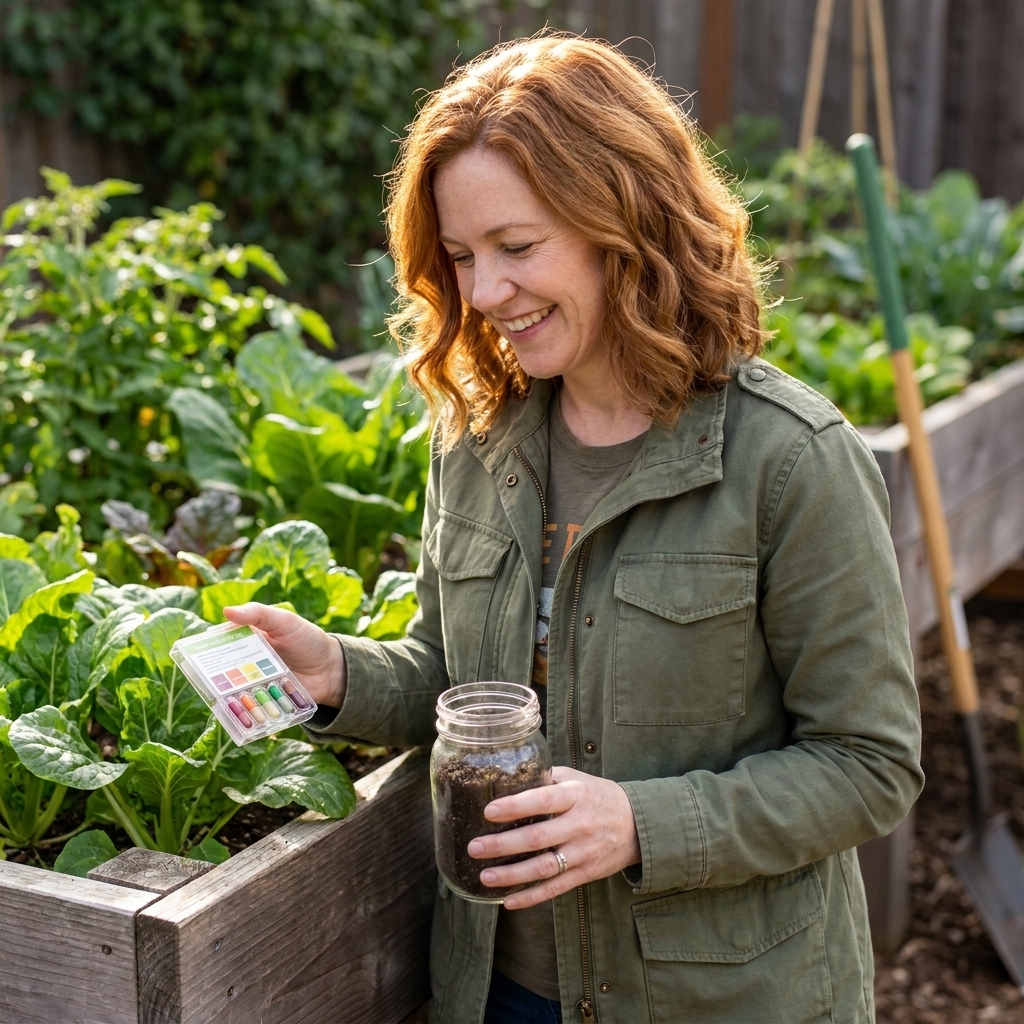
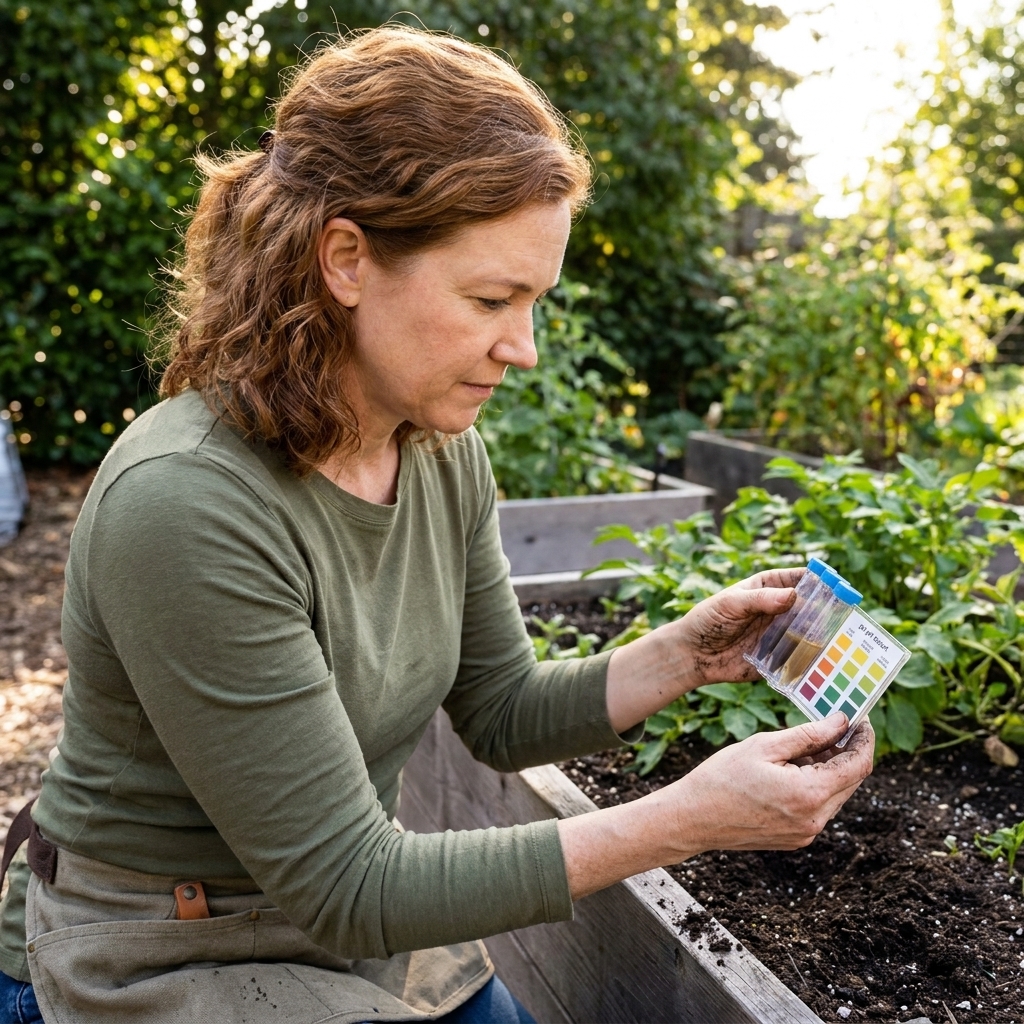
There are inexpensive home kits that can give a rough screening for lead. They can be helpful for a first peek, but they are not the same as a lab report.
Home test kits
- Pros: fast, cheap, convenient.
- Cons: limited accuracy, fewer contaminants, and results can be hard to interpret for real decisions.
Laboratory testing
- Pros: more accurate, can test multiple metals, reports often include guidance and detection limits.
- Cons: costs more, takes time, you have to collect and ship samples.
If you are growing food in native soil in an older neighborhood, I strongly prefer a lab test. It is the difference between a guess and a plan.
Picking the right lab test
When you are ordering, most garden-focused tests report total metals, which is the overall concentration in the soil. That is usually the right place to start.
In some areas, programs also offer bioaccessible lead testing (sometimes described as “in vitro” testing). It estimates how much lead could dissolve in the body if soil is accidentally ingested. It is not available everywhere, but if you have kids and your total lead number is borderline or you are deciding how aggressive to be with mitigation, it can be a useful extra data point. Your extension office or local health department can often tell you what is offered locally.
How to take a soil sample the right way
Sampling is where most people accidentally sabotage their own test. A good sample is clean, representative, and clearly tied to one area of the yard.
Step-by-step sampling
- Choose your zones. Sample areas separately if they have different histories. Common zones are: near the foundation, near the street, near an old shed, and your main garden area.
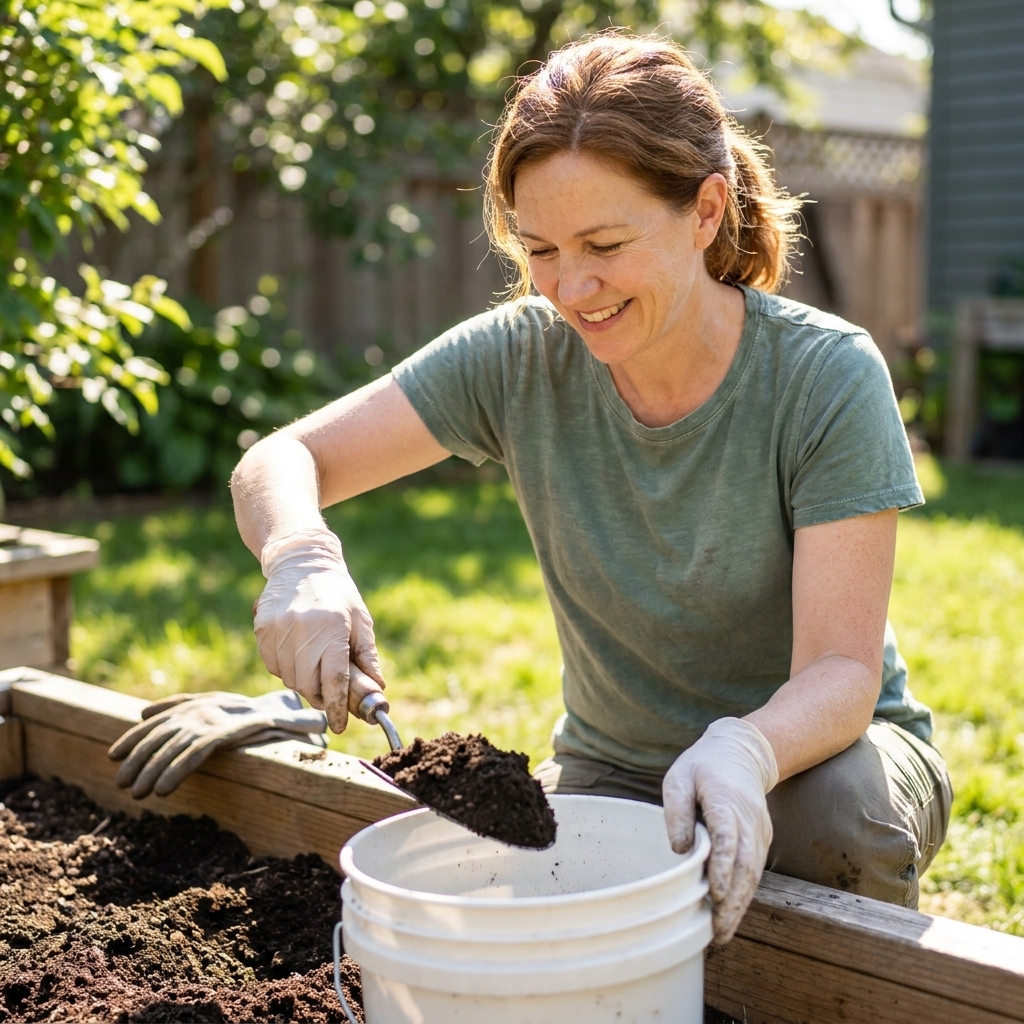
- Use clean tools. A stainless steel trowel or clean shovel is best. Avoid rusty tools if you can. Use a clean plastic bucket for mixing.
- Scrape away surface debris. Remove mulch, leaves, and obvious bits of trash before sampling.
- Collect multiple subsamples. Take 8 to 12 small scoops from around the zone and mix them in the bucket. This “composite sample” smooths out hot spots.
- Sample the right depth. For garden soil, 4 to 6 inches is common. For lawns, 2 to 4 inches is common. Always follow the lab’s instructions if they specify a depth.
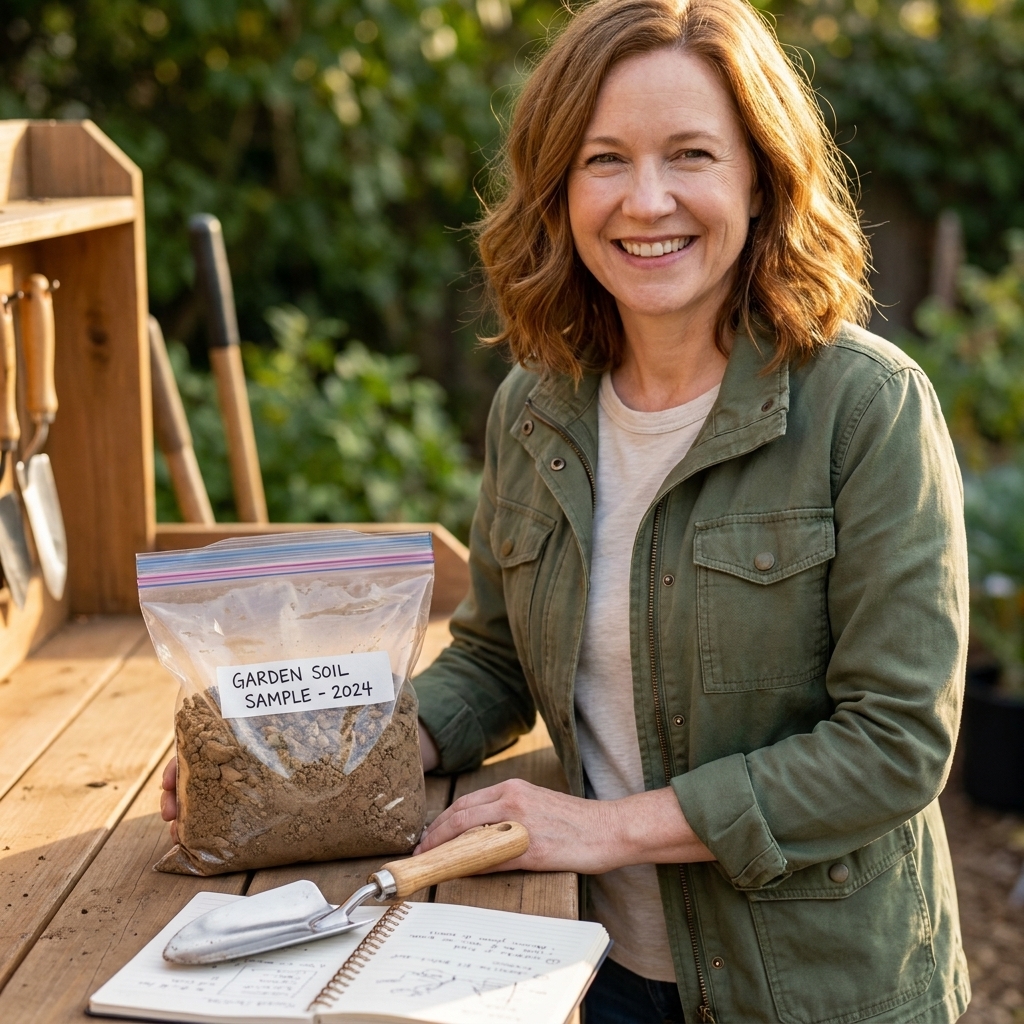
- Mix and bag. Break up clumps, mix well, then put the required amount into the lab bag or a clean zip-top bag.
- Label clearly. “Front bed by sidewalk” beats “Sample 1” every time when you are trying to remember what’s what.
A few “please do not” notes
- Do not sample right after you apply fertilizer, compost, or lime if the lab asks you to wait. Metals do not change overnight, but some soil chemistry tests can.
- Do not mix soil from the foundation with soil from the back garden. Keep zones separate so you can make targeted fixes.
- Do not send wet, muddy soil unless the lab says it is fine. Many labs prefer air-dried soil.
Where to get your soil tested
Start local if you can. Many county extension offices and university labs offer soil testing, and they often understand regional background levels and common urban issues.
- County extension or university lab: reliable, usually affordable, and the recommendations are often written for home gardeners.
- Accredited private environmental labs: great for detailed contaminant panels and real estate grade reporting.
- Local health department resources: some cities have programs or guidance for lead in soil, especially around older housing.
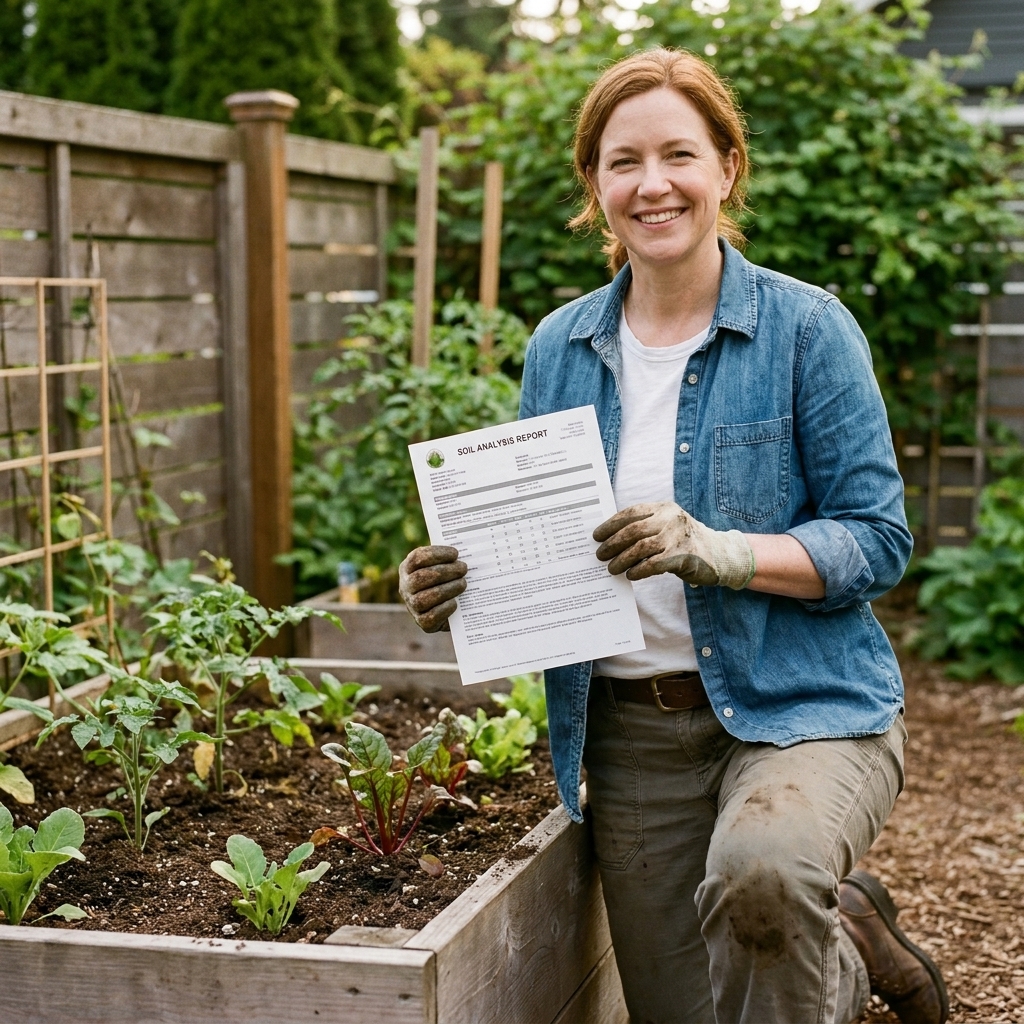
When you order, look for a test that reports results in mg/kg or ppm (equivalent by mass for soil) and includes the metals you care about.
How to read your results without spiraling
First, take a breath. A lab report can look scary even when the numbers are moderate. What matters is the combination of: the specific contaminant, the concentration, where it is located, and how you garden.
Lead: useful reference points
Regulatory standards vary by country and sometimes by state or city. In the US, outreach materials based on EPA and HUD guidance often cite these two reference points for residential soil:
- 400 ppm lead: commonly cited for children’s play areas.
- 1,200 ppm lead: commonly cited for other residential yard areas.
Gardening is not exactly the same as a play area, but those numbers are helpful context. Your local extension office, health department, or state program may use different action levels or recommendations.
A simple decision aid (gardeners edition)
- Lower lead: keep building organic matter, mulch bare soil, wash produce well, and practice basic soil hygiene.
- Moderate lead: prioritize raised beds with clean soil, add thick mulch on paths, and avoid growing root crops directly in native soil.
- Higher lead: shift food production to raised beds or containers, cap contaminated areas, and consider professional guidance for remediation, especially if kids play in the yard.
Bioavailability matters (and pH plays a role)
Lead does not usually move far in soil, and much of it stays bound to soil particles. Risk increases when contaminated dust gets on hands, tools, shoes, or produce. Soil chemistry can affect how available metals are. Many labs will also report pH. Keeping soil in the recommended range for vegetables (often near neutral) can help reduce availability for some metals like lead, but the details vary by metal and site. Arsenic, for example, can behave differently than lead in some soils. Do not lime blindly. Follow your lab or extension recommendations if you adjust pH.
If your report includes “background” or “screening” values
Use those as guidance, not as a reason to panic. If something is flagged, look at where the sample came from. A high number at the foundation might mean your backyard beds are fine, and you simply need a cleaner zone for kids and herbs.
What to do if your soil tests high
You do not have to abandon gardening. You just need a plan that reduces contact with contaminated soil and prevents dust from moving into your home.
Best next steps for edible gardens
- Grow food in raised beds with clean soil. Use a geotextile fabric or a layer of cardboard as a separator if needed, then fill with quality topsoil and compost.
- Cap and cover bare ground. Mulch paths thickly, plant groundcovers, or use landscape fabric plus mulch or gravel where you walk often.
- Focus on fruiting crops. Tomatoes, peppers, beans, peas, squash, cucumbers, and berries generally carry less soil dust risk than carrots and beets grown in contaminated ground.
- Be careful with root crops and leafy greens. These are more likely to trap soil particles. They can still be grown safely in clean raised beds, but I avoid them in questionable native soil.
- Wash and prep smartly. Rinse, soak, and scrub. Remove outer leaves on lettuce and cabbage. Skip soap and bleach on produce. The goal is to remove soil, not “sanitize” your salad.
Soil hygiene that actually helps
- Wear gloves when digging, especially in native soil.
- Leave garden shoes outside.
- Wet down dusty areas before working if soil is dry and powdery.
- Use a doormat and clean floors regularly if you garden often.
- Keep kids’ play areas on clean surfaces like grass, mulch, or a sandbox with a cover, not bare soil.
Can compost “fix” lead?
This is a big one on Compost Grove. Compost is wonderful, but it does not make lead disappear. What compost can do is:
- Dilute contamination if you are blending a small amount of native soil into a larger volume (not my favorite approach for high lead, but relevant for mild elevations).
- Bind some metals more tightly by increasing organic matter, which can reduce how easily metals move or become available.
- Improve soil structure so there is less dusty, crusty soil to blow around and get tracked inside.
For higher lead, my go-to is still: cap it and garden above it.
Raised beds and containers, done safely
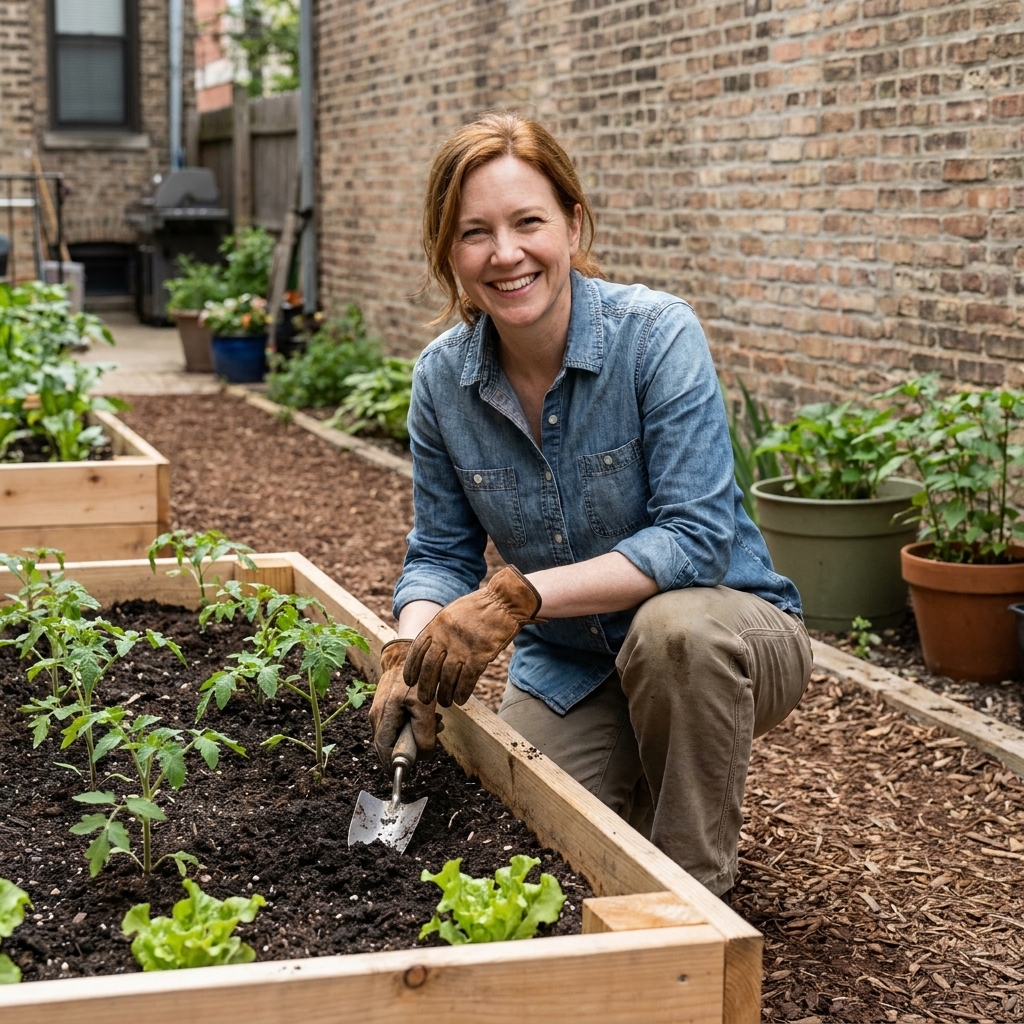
If you are switching to raised beds because of lead, the details matter.
Tips I trust
- Depth: Aim for at least 10 to 12 inches of clean soil for most vegetables. Deeper is better for tomatoes and long-season crops. If beds are shallow, deep-rooted plants can reach native soil.
- Separator: A permeable fabric barrier or cardboard layer mainly helps reduce mixing and weeds. It is not a magic shield against contaminants in every situation, so pair it with adequate bed depth and good mulching habits.
- Soil source: Buy from a reputable supplier that can tell you what is in the mix. If you are bringing in bulk soil, ask if they test for contaminants.
- Mulch: Keep soil covered to reduce splash and dust.
- Avoid reclaimed mystery materials: Skip old painted boards and unknown timbers for bed construction.
Containers are also great for patios and small spaces. Use a quality potting mix, keep containers off bare native soil if that soil is suspect, and rinse pots and trays at the end of the season.
What about plants “pulling metals out” of soil?
You may hear about phytoremediation, meaning certain plants can take up metals. In real life home gardening, it is tricky.
- It can take many seasons to make a meaningful dent.
- You have to dispose of plant material properly, because you do not want contaminated biomass in your compost pile.
- It does not reduce dust risk quickly, which is the daily exposure pathway most of us worry about.
If you are dealing with seriously elevated results, talk with your local extension office or an environmental professional about options. For most home gardeners, capping and raised beds are the practical, proven tools.
Keeping your compost and amendments clean
If your native soil has elevated metals, protect your clean inputs so you do not accidentally spread contamination around.
- Do not compost soil sweepings or dust from contaminated areas.
- Keep compost piles and bins on a clean base if possible, like a paved surface or a thick layer of mulch that you are not going to move into raised beds.
- Be picky about ash. Do not add coal ash. Limit wood ash, and only use ash from clean, untreated wood if you use it at all.
- Think twice about roadside leaves. Leaves are great, but those collected right off a busy street can bring extra grit and residues.
A simple habit that helps: designate one set of tools for native soil work and one for raised beds, especially if you are gardening with kids.
FAQ
Is it safe to eat vegetables grown in soil with lead?
Lead risk in gardens is often more about soil and dust on the food than lead moving into the fruit itself. Fruiting crops are generally lower risk than leafy greens and root crops. If your lead levels are elevated, the safest approach is to grow edibles in clean raised beds, keep soil covered with mulch, and wash and prep produce thoroughly.
How often should I test?
If you are testing for heavy metals, you usually do not need to retest every year because metals do not break down. Retest if you add a lot of imported soil, do major construction, discover a new contamination source, or are tracking the results of a mitigation project.
Can I just add lots of compost and call it good?
Compost is helpful, but it is not a magic eraser for lead. It can reduce dust and improve soil structure, and it may reduce availability somewhat, but it does not remove lead. For higher results, use raised beds and cap bare soil.
Should I worry about my chickens or pets?
Yes, especially if they scratch and ingest soil. Chickens can pick up soil and dust while foraging. If you have elevated lead, consider keeping runs on clean, capped surfaces and avoid letting animals dig in contaminated areas.
Do I need a professional?
If results are very high, if you have small children, or if the property has an industrial history, it is worth consulting your extension office or an environmental professional. For many typical older-yard situations, a good lab test plus raised beds and capping is enough to garden safely.
A calm, practical path forward
Testing urban soil can feel like opening a can of worms, but I have found it is the opposite. A clear result gives you permission to stop guessing. If your soil is clean, you can garden with confidence. If it is not, you can still grow a beautiful, productive garden with a few smart boundaries: clean soil where you grow food, covered ground where you walk, and good hygiene that keeps dust out of the house.
That is soil building too. It is just soil building with a little extra common sense baked in.