Every spring, Epsom salt pops up like a “miracle cure” for tomatoes and peppers. I get it. It is cheap, it is sitting in the medicine cabinet, and it feels wonderfully old-school to toss a handful in the planting hole and call it good.
But after a decade of composting and fixing my own stubborn clay soil, here is what I have learned the muddy way: Epsom salt is a tool, not a tonic. It can correct a real magnesium problem. It can also quietly make things worse when magnesium is not the issue.
What it is
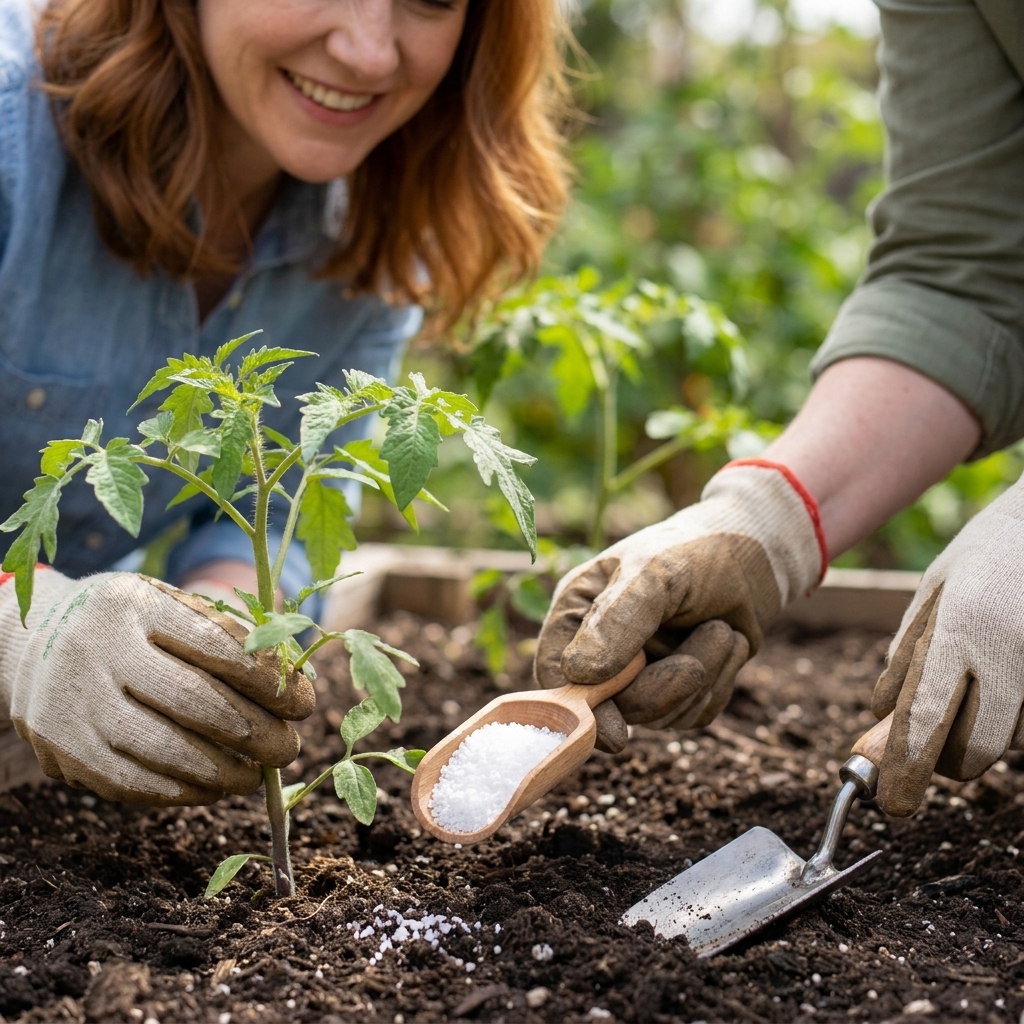
Epsom salt is magnesium sulfate. In plant terms, that means it supplies:
- Magnesium (Mg), a central piece of chlorophyll and a key player in photosynthesis
- Sulfur (S), used to build proteins and enzymes
It does not supply nitrogen, phosphorus, or potassium. So if your plants are pale from low nitrogen, blooming poorly from low phosphorus, or struggling to set fruit because the plant is stressed, Epsom salt is not the missing ingredient.
Common myths
Myth 1: “Epsom salt makes tomatoes and peppers produce more.”
Sometimes, but only if magnesium is actually limiting growth. If your soil already has adequate magnesium, extra Mg does not magically turn into extra fruit. More often, good compost, steady moisture, and balanced fertility are what move the needle.
Myth 2: “Add Epsom salt to prevent blossom end rot.”
This one is incredibly common, and it is the one I wish would retire. Blossom end rot is primarily a calcium delivery problem, usually triggered by inconsistent watering, root stress, or rapid growth. Magnesium does not fix that.
And in some soils, piling on magnesium can contribute to calcium uptake issues by nudging the nutrient balance in the wrong direction. When you are fighting blossom end rot, the basics do more: steady watering, mulch, gentle roots, and avoiding nitrogen-heavy growth spurts.
Myth 3: “Yellow leaves mean you need Epsom salt.”
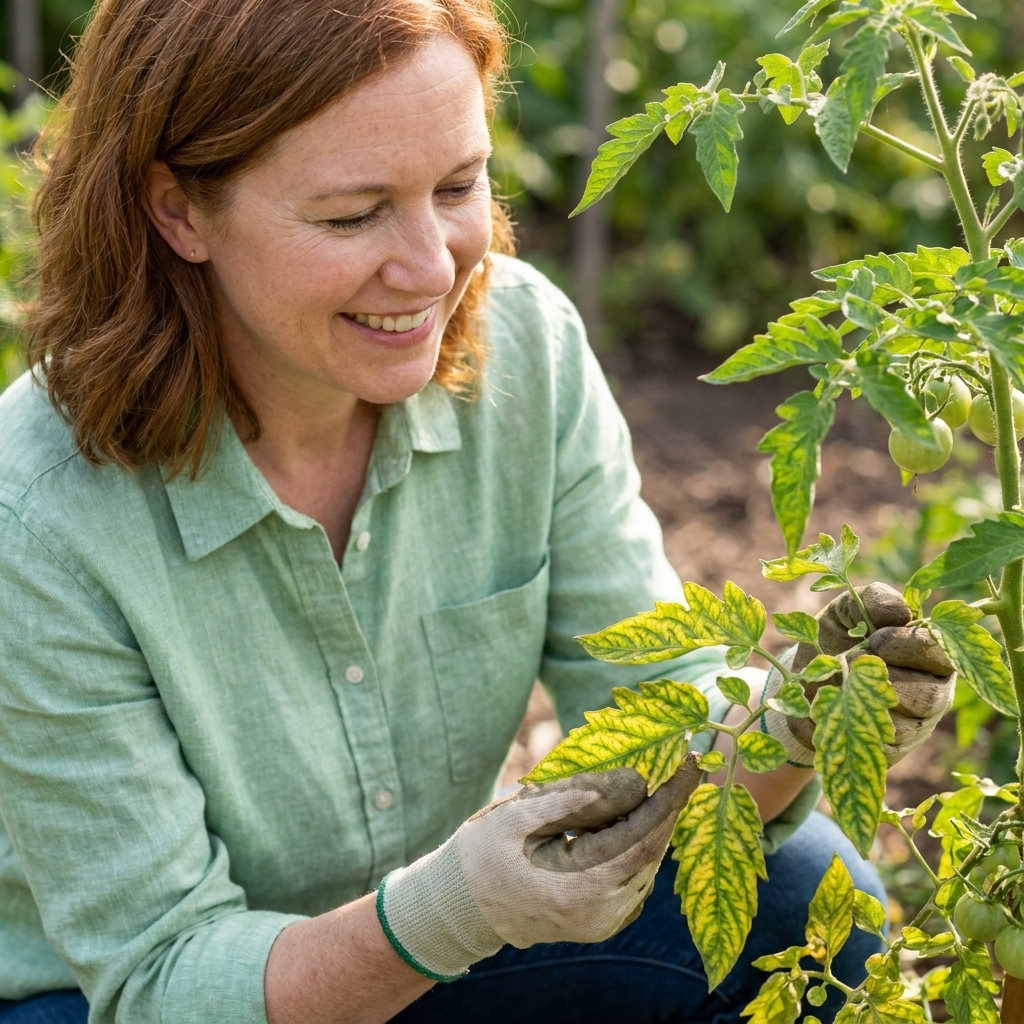
Yellow leaves can mean a dozen different things. Magnesium deficiency has a particular look, but nitrogen deficiency, overwatering, cold soil, root damage, and natural leaf aging can look similar at a glance.
Myth 4: “It’s harmless, it’s natural, so you can’t overdo it.”
It is a salt. Plants can tolerate some salt, but salts build up, especially in containers and in dry climates where irrigation water evaporates and leaves minerals behind. More is not safer.
When it helps
Epsom salt is most helpful when you have confirmed or strongly suspected magnesium deficiency. That tends to show up more often in these situations:
- Sandy soils that leach nutrients quickly
- Heavily rainy seasons where magnesium washes down below the root zone
- High potassium relative to magnesium, often after repeated K-heavy feeding
- High calcium or high CEC soils where Mg can be less available when ratios are out of whack
- Container gardens where you water often and nutrients flush out faster
What magnesium deficiency looks like
On tomatoes and peppers, magnesium deficiency often appears as:
- Interveinal chlorosis, meaning the leaf tissue turns yellow while the veins stay greener
- Usually starting on older, lower leaves first
- In more advanced cases, rusty spotting or leaf edges that dry out
If your newest leaves are distorted or pale first, think more about iron, manganese, calcium issues, or general root stress. Magnesium tends to show on older leaves first because the plant can move Mg from old leaves to new growth.
How to know for sure
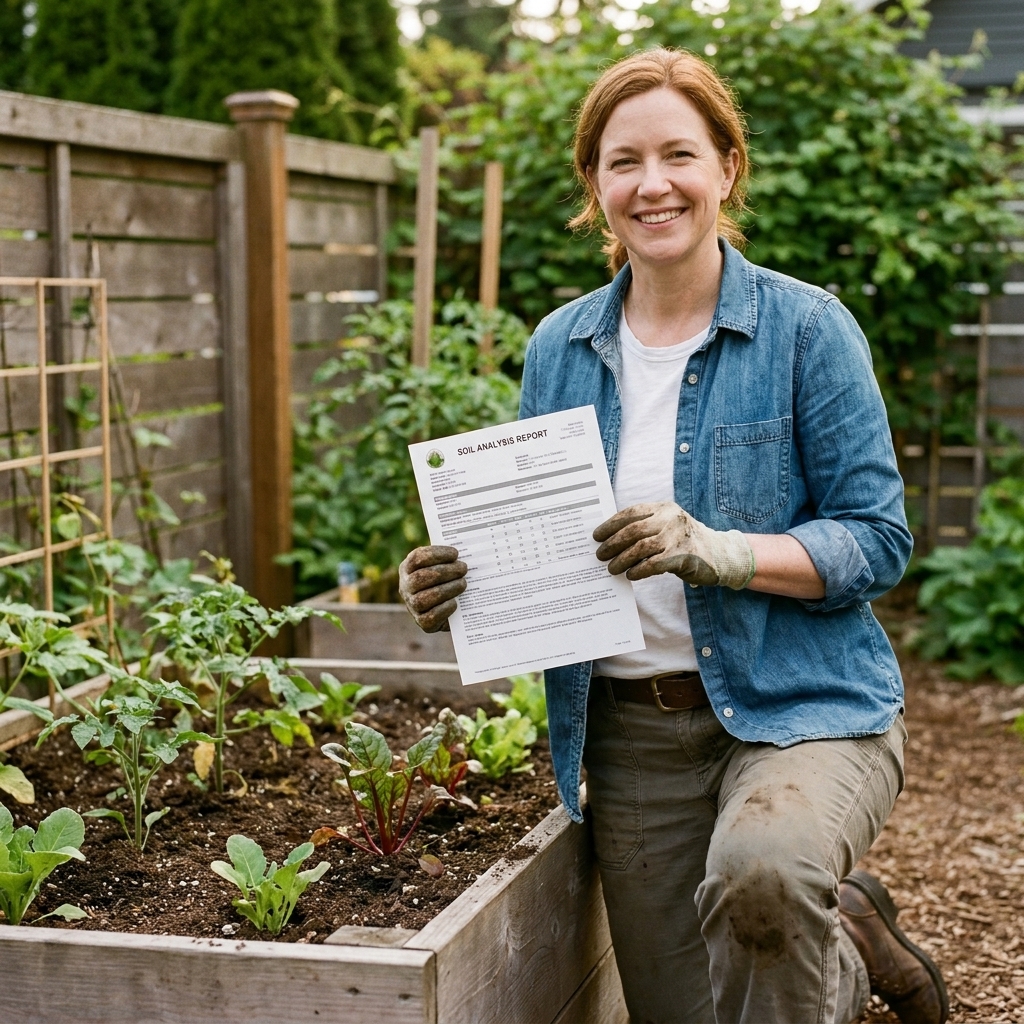
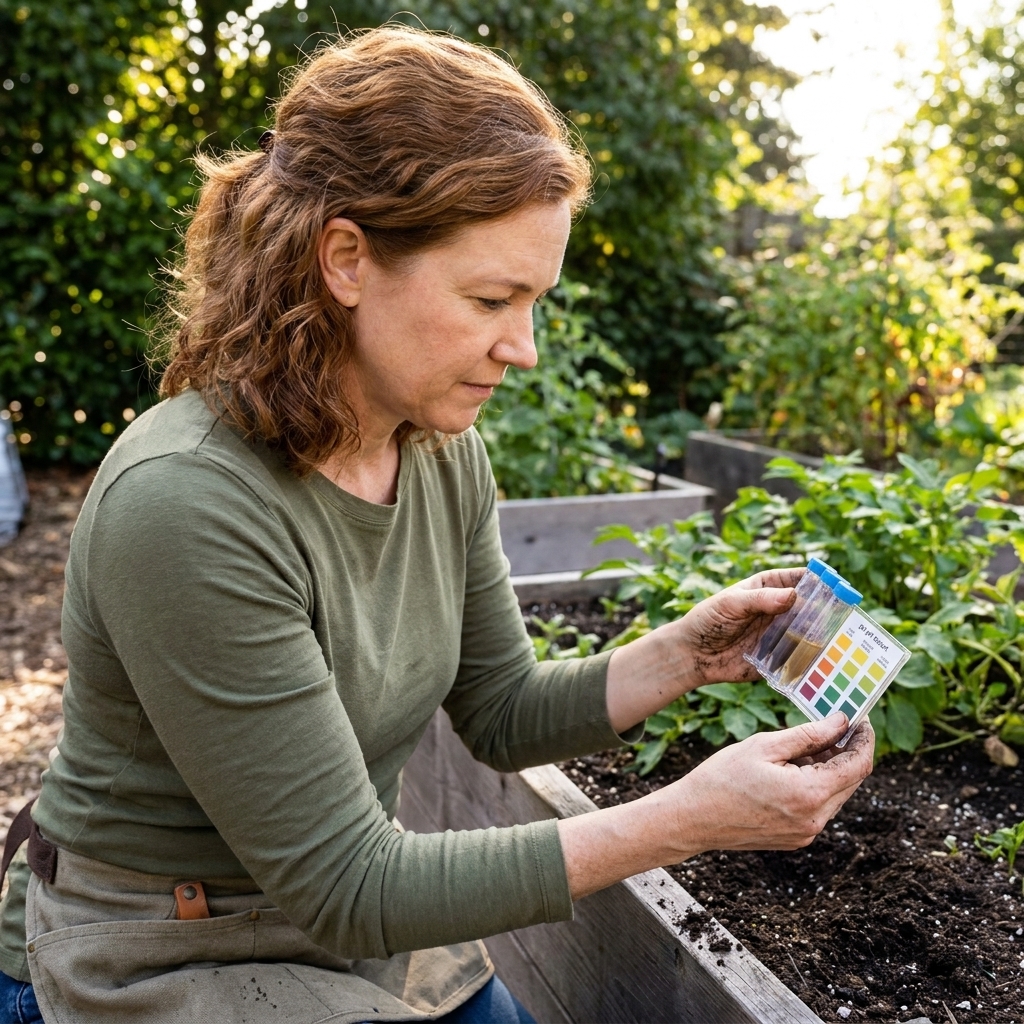
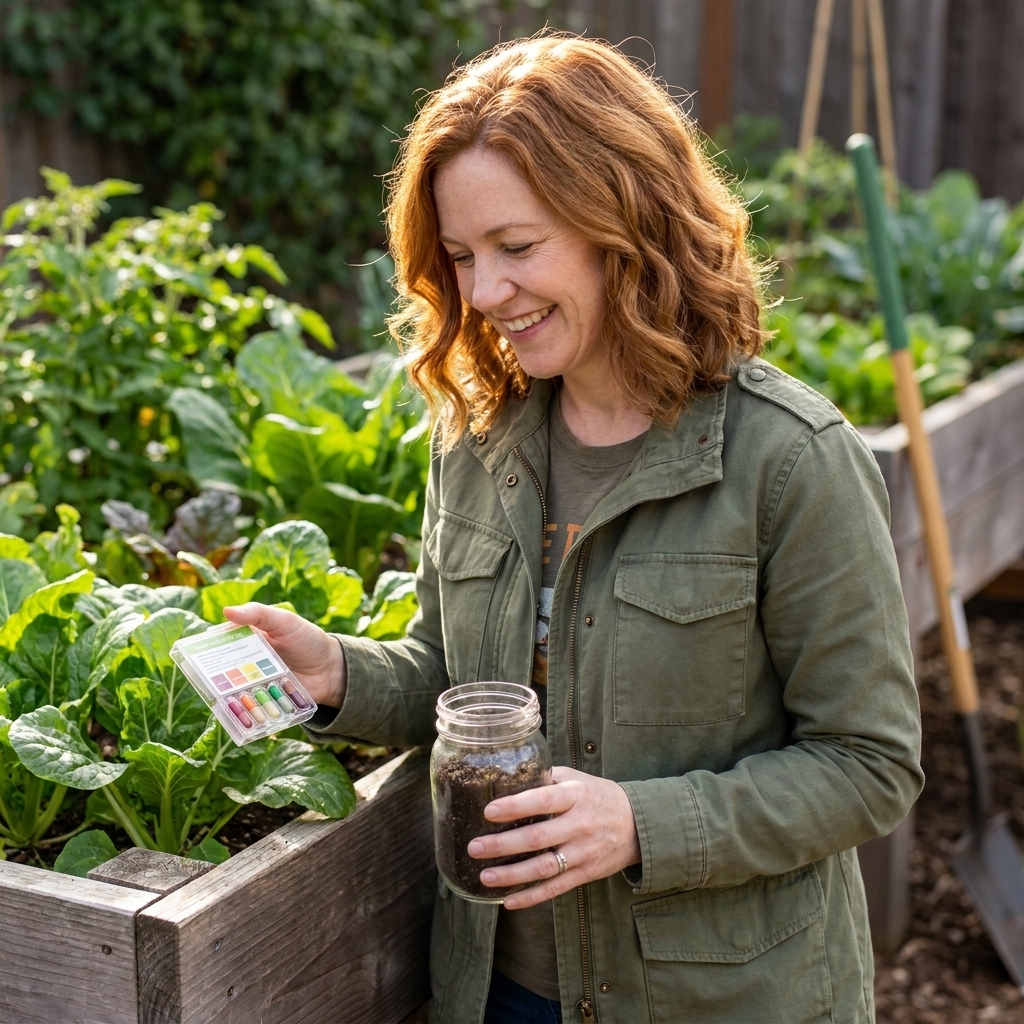
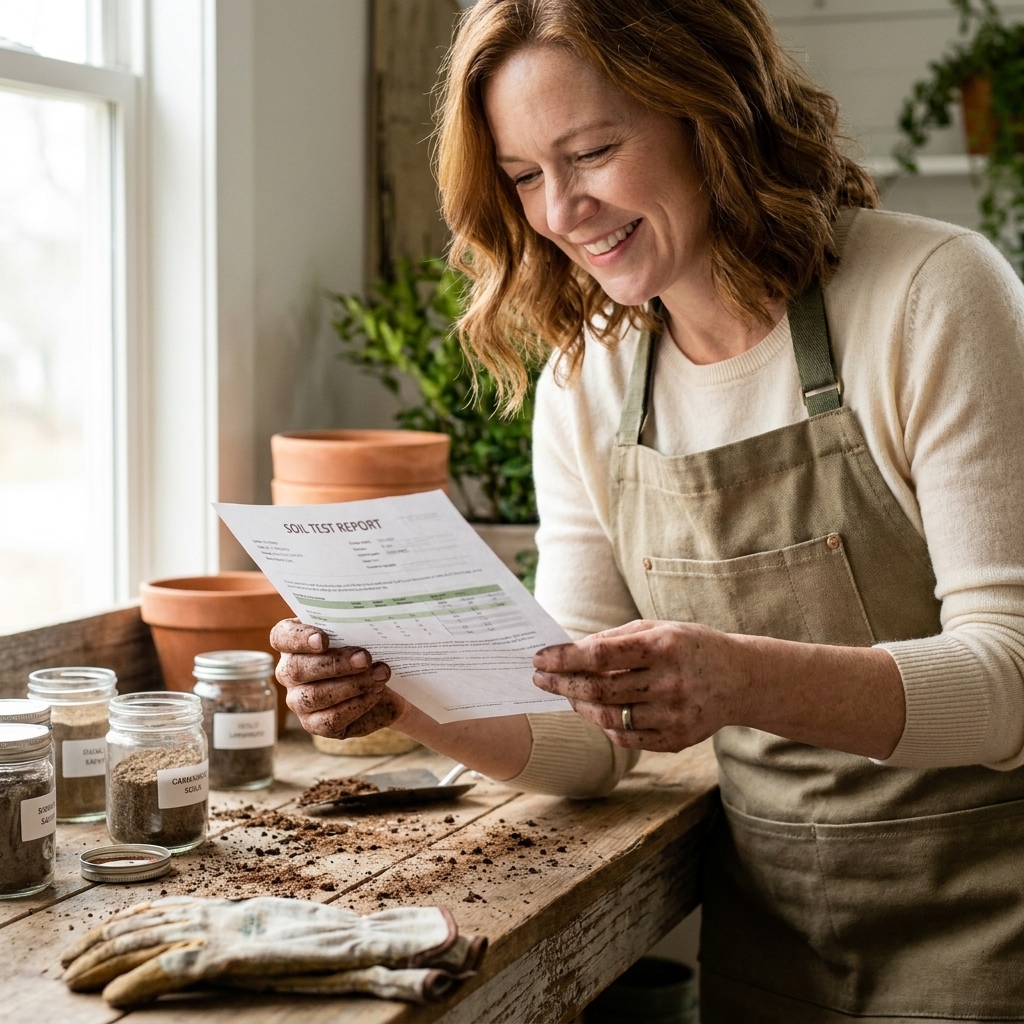
If you want to stop guessing, a basic soil test that includes magnesium, calcium, potassium, and pH is the most practical route for most home gardeners.
Why the extra numbers? Because magnesium does not live alone. The balance between calcium, magnesium, and potassium affects what roots can take up. You can have magnesium “in the soil” but still struggle with uptake if other nutrients are outcompeting it, or if pH is off.
For a more direct diagnosis, a leaf tissue test can also confirm magnesium deficiency, especially if you are growing at scale or troubleshooting a persistent problem.
If you are a compost-first gardener like me, soil tests are also a great reality check. Compost improves structure and biology, but it does not automatically correct mineral imbalances in one season.
How to use it safely
If you have a clear reason to supplement magnesium, keep it simple and conservative. Pick one method at a time and give the plant a week or two to respond. Do not stack a drench and a foliar spray in the same week.
Option 1: Soil drench (my gentle favorite)
- Dissolve 1 tablespoon of Epsom salt in 1 gallon of water.
- Apply to the soil around the root zone.
- Repeat no more than once a month, and stop when new growth looks normal.
Consider this a conservative starting point. If your local extension service suggests a different rate for your region or soil, follow that guidance.
Option 2: Foliar spray (fast, but easy to overdo)
Foliar sprays can green things up quickly when magnesium is truly low, but they can also scorch leaves if concentrated or applied in heat.
- Mix 1 tablespoon per gallon of water.
- Spray in the early morning or early evening.
- Avoid spraying during hot sun, and avoid spraying drought-stressed plants.
If you see no improvement after 1 to 2 applications, stop and reassess. At that point, you are likely dealing with something else.
Option 3: Planting hole additions (use caution)
This is the classic “handful in the hole” advice. I do not recommend it as a default. It can create a higher-salt zone right where tender new roots are trying to settle in.
If you insist on adding it at planting, keep it tiny, mix it thoroughly into the surrounding soil, and only do it when a soil test points to low magnesium.
Containers need extra restraint
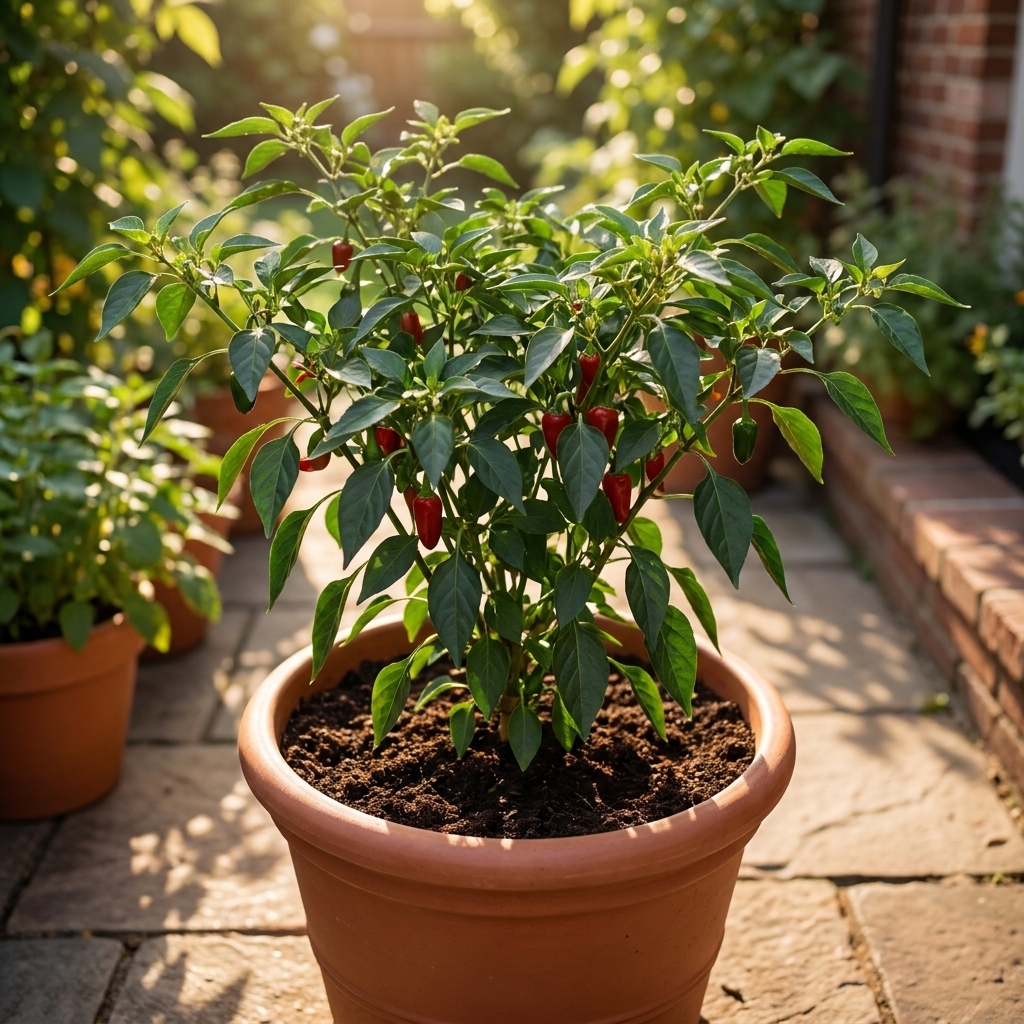
In pots and raised beds, salts accumulate faster. If you fertilize with a synthetic tomato food that already includes magnesium, adding Epsom salt on top can be redundant. If you do use it, use the drench rate above and occasionally flush the pot with plain water so minerals do not build up.
When not to use it
- To treat blossom end rot. Fix watering consistency, mulch, avoid root disturbance, and do not push tender growth with excess nitrogen.
- When your soil test shows adequate or high magnesium. More Mg can push calcium and potassium out of balance.
- In already salty soils or where irrigation water is mineral-heavy.
- As a routine weekly feed. Tomatoes and peppers like steady nutrition, but they like balance more than they like “extra.”
Better first steps
If your goal is strong plants, fewer issues, and better harvests, these usually beat Epsom salt by a mile:
- Compost as the foundation: 1 to 2 inches worked into the top few inches of soil, or used as a surface mulch around established plants.
- Mulch for moisture stability: straw, shredded leaves, or dried grass clippings (thin layers) help prevent the wet-dry swings that trigger many fruit problems.
- Balanced feeding: use a complete organic fertilizer or well-rounded amendment if your soil is low overall, not a single-nutrient fix.
- Deep, consistent watering: aim for fewer, deeper waterings rather than daily sprinkles.
- Right pH: most veggies do best around slightly acidic to neutral. If pH is far off, nutrient uptake suffers even when nutrients are present.
Quick FAQ
Can Epsom salt make pepper plants bushier?
Not directly. Bushiness is more about variety, light, spacing, and overall nutrition. If a pepper is truly magnesium-deficient, correcting that deficiency can improve vigor, but it is not a pruning substitute and it is not a growth hack.
Is Epsom salt the same as table salt?
No. Table salt is sodium chloride. Epsom salt is magnesium sulfate. Still, both are salts in the broad sense, and both can contribute to salt buildup when overused.
How often should I apply Epsom salt to tomatoes?
If you have confirmed magnesium deficiency, once a month at most is plenty. If you are guessing, hold off and correct the basics first: compost, mulch, and consistent watering.
Can I mix Epsom salt with compost?
You can sprinkle it and water it in, but I treat Epsom salt as a targeted supplement, not a compost ingredient. Compost builds soil biology and structure. Epsom salt is a quick mineral input. Different jobs.
My compost-first take
Epsom salt is not garden magic, but it is not useless either. If you have real magnesium deficiency, it can help tomatoes and peppers recover quickly.
For everything else, the best “secret” is still the unglamorous one: build living soil with compost, keep moisture steady with mulch, and avoid chasing problems with single-ingredient fixes. Your plants will tell you thank you the only way they know how: with leaves that stay green and fruit that actually ripens.