When I planted my first vegetables in a yard of stubborn clay, I thought the secret was better seedlings. Turns out the secret was soil, and one of the easiest ways to protect it is surprisingly low drama: stop planting the same plant family in the same spot every year.
In raised beds, crop rotation can matter more than you might expect because you are working with a smaller, intensively used patch of soil. That said, raised beds also behave a bit like big containers, so compost and smart fertilizing can do a lot of heavy lifting too. The goal is not perfection. The goal is to spread out nutrient demand, break up pest and disease cycles, and keep your beds productive with a steady rhythm of compost and smart planting.
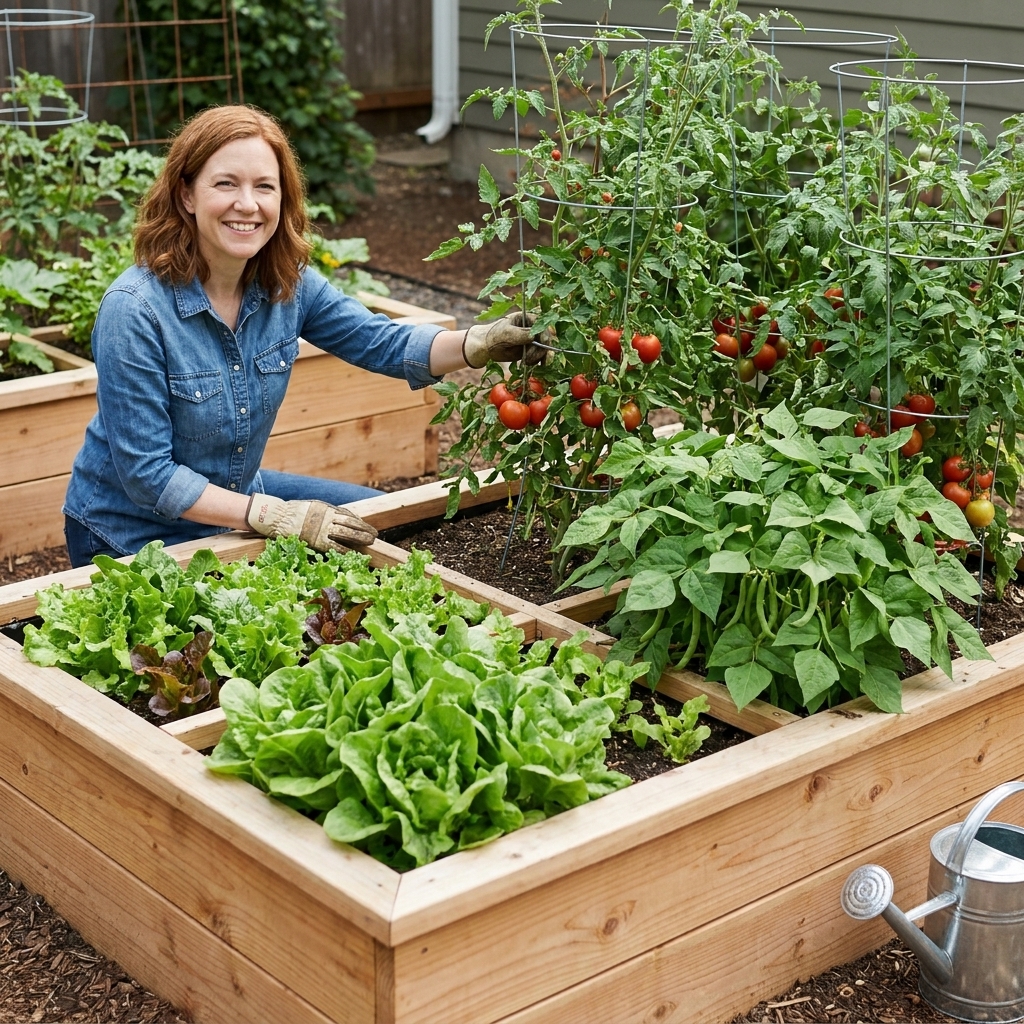
What crop rotation actually does
Crop rotation is just moving plant families around from bed to bed, year to year. In practical terms, it helps with three big things:
- Nutrient balance: Some crops are heavy feeders, some are light feeders, and legumes can contribute nitrogen to the system when they are well nodulated and their roots and residues break down.
- Pest disruption: Many common garden pests overwinter in soil near their favorite crops. When their host plant is not in the same place next season, they have a harder time finding it.
- Disease management: Soil- and residue-borne diseases, and diseases that can persist on plant debris, can build up when the same family is planted repeatedly in the same bed.
Rotation will not replace compost, but it makes every shovelful of compost work harder.
Rotate by plant family
Tomatoes and peppers feel like different crops, but to pests and diseases they are basically cousins. Rotation works best when you group vegetables by family.
Common families in home gardens
- Nightshades (Solanaceae): tomatoes, peppers, eggplant, potatoes
- Brassicas (Brassicaceae): cabbage, broccoli, cauliflower, kale, bok choy, radish, turnips, arugula, mustard greens
- Legumes (Fabaceae): peas, beans (snap, pole, bush), fava beans
- Cucurbits (Cucurbitaceae): cucumbers, zucchini, summer squash, winter squash, pumpkins, melons
- Alliums (Amaryllidaceae): onions, garlic, leeks, scallions, chives
- Carrot family (Apiaceae): carrots, celery, parsley, parsnips, dill, cilantro
- Chenopods (Amaranthaceae): spinach, chard, beets
- Lettuce family (Asteraceae): lettuce
- Grasses (Poaceae): corn
Not every garden grows all of these. That is fine. Rotation is a tool you adapt, not a rule you suffer through.
One quick note: perennials and long-term crops like asparagus, strawberries, and rhubarb usually live in their own dedicated space. They do not rotate the way annual vegetables do, and that is normal.
A simple rotation for raised beds
Here is the system I recommend for most raised bed gardeners because it is easy to remember and flexible:
- Fruiting crops: nightshades and cucurbits
- Leafy crops: brassicas plus greens (lettuce and chenopods)
- Roots and alliums: carrots, beets, onions, garlic
- Legumes: peas and beans
Then you just move each group to the next bed each year.
Example for four raised beds
| Year | Bed 1 | Bed 2 | Bed 3 | Bed 4 |
|---|---|---|---|---|
| Year 1 | Fruiting crops | Leafy crops | Roots and alliums | Legumes |
| Year 2 | Legumes | Fruiting crops | Leafy crops | Roots and alliums |
| Year 3 | Roots and alliums | Legumes | Fruiting crops | Leafy crops |
| Year 4 | Leafy crops | Roots and alliums | Legumes | Fruiting crops |
If you only remember one thing: do not follow tomatoes with tomatoes, and try not to follow tomatoes with peppers or potatoes either. That alone saves a lot of headaches.
Rotation with 1 to 3 beds
Most of us do not have a neat four-bed setup. Here is how to make rotation work anyway.
If you have 1 bed
You cannot truly rotate locations, so rotate pressure instead. In other words, change which families get the prime season and space each year:
- Switch families by season: for example spring peas, summer cucumbers, fall greens.
- Use lots of compost and keep living roots in the soil as much as possible.
- Be strict about not repeating the same family in the same season year after year.
If a disease shows up, treat that bed like it needs a reset: pull plant debris, avoid that family for at least a year if you can, and lean hard into compost, mulch, and cover crops.
If you have 2 beds
Use a simple flip-flop that stays consistent with the family approach:
- Bed A: fruiting crops (nightshades and cucurbits)
- Bed B: everything else (leafy crops, roots and alliums, legumes)
Swap next year. It is not perfect, but it is far better than repeating tomatoes in the same soil every summer.
If you have 3 beds
Do a three-year loop:
- Bed 1: fruiting crops (nightshades, cucurbits)
- Bed 2: leafy crops (brassicas plus greens)
- Bed 3: roots and alliums, plus a chunk of legumes whenever you can
Then shift each group one bed over each year.
Compost and rotation
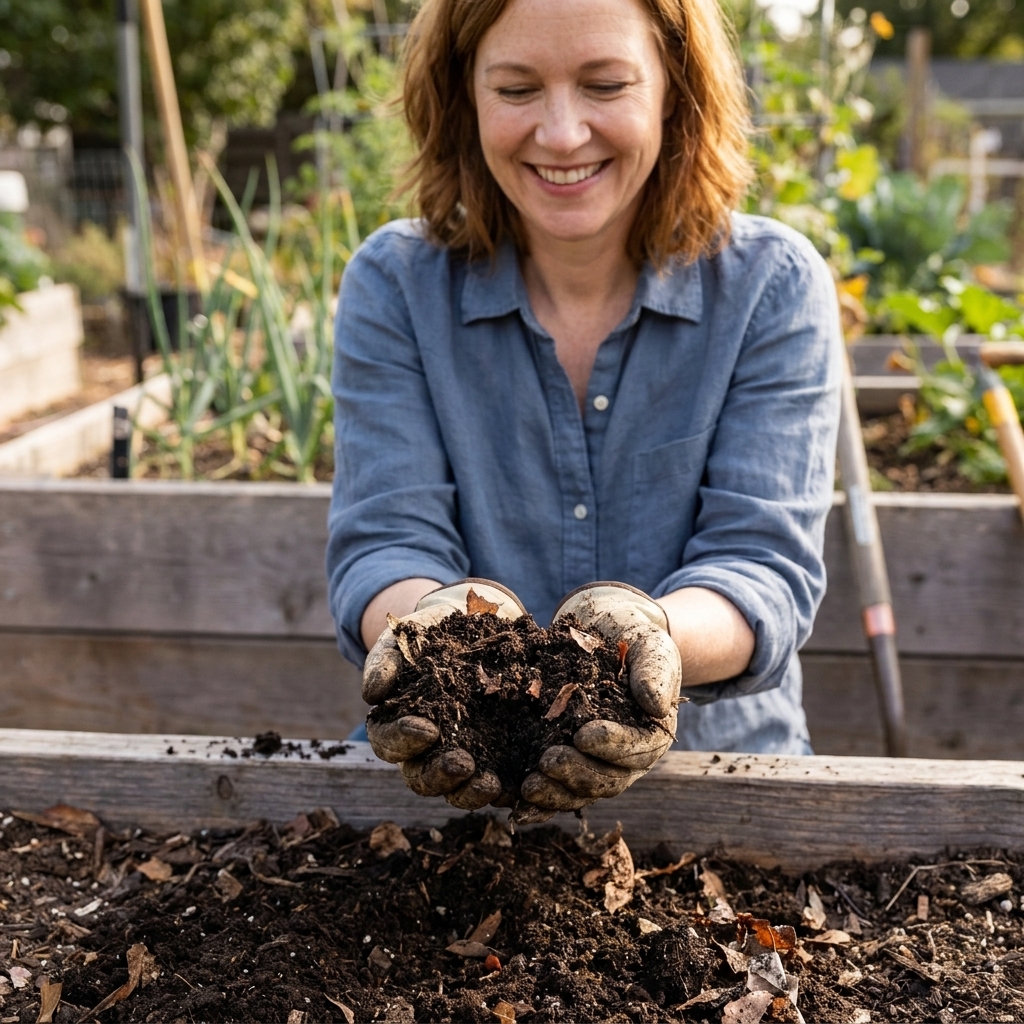
Rotation helps prevent depletion, but compost prevents depletion from happening in the first place. In raised beds, I treat compost like an annual membership fee for growing vegetables.
My raised bed routine
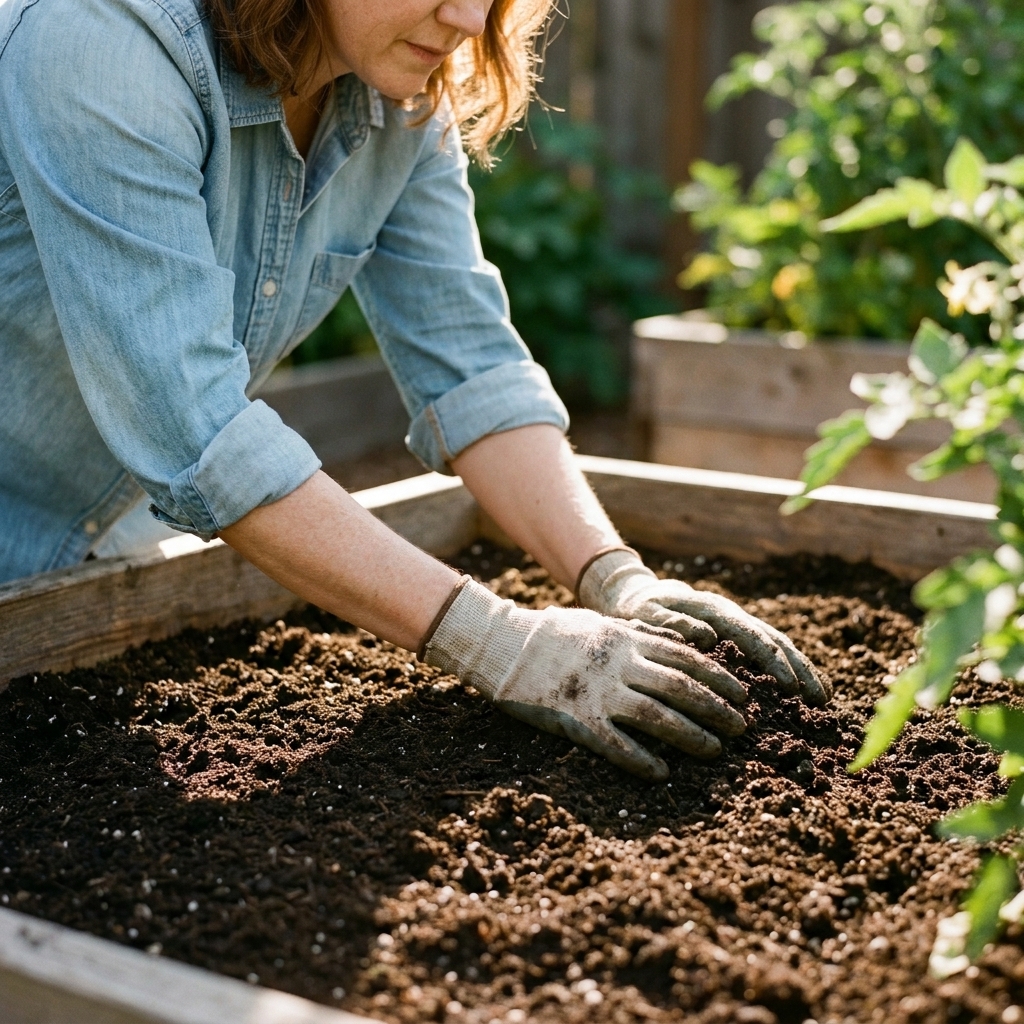
- Between crops: pull plants, chop healthy leaves and stems and compost them, then lightly loosen the top few inches.
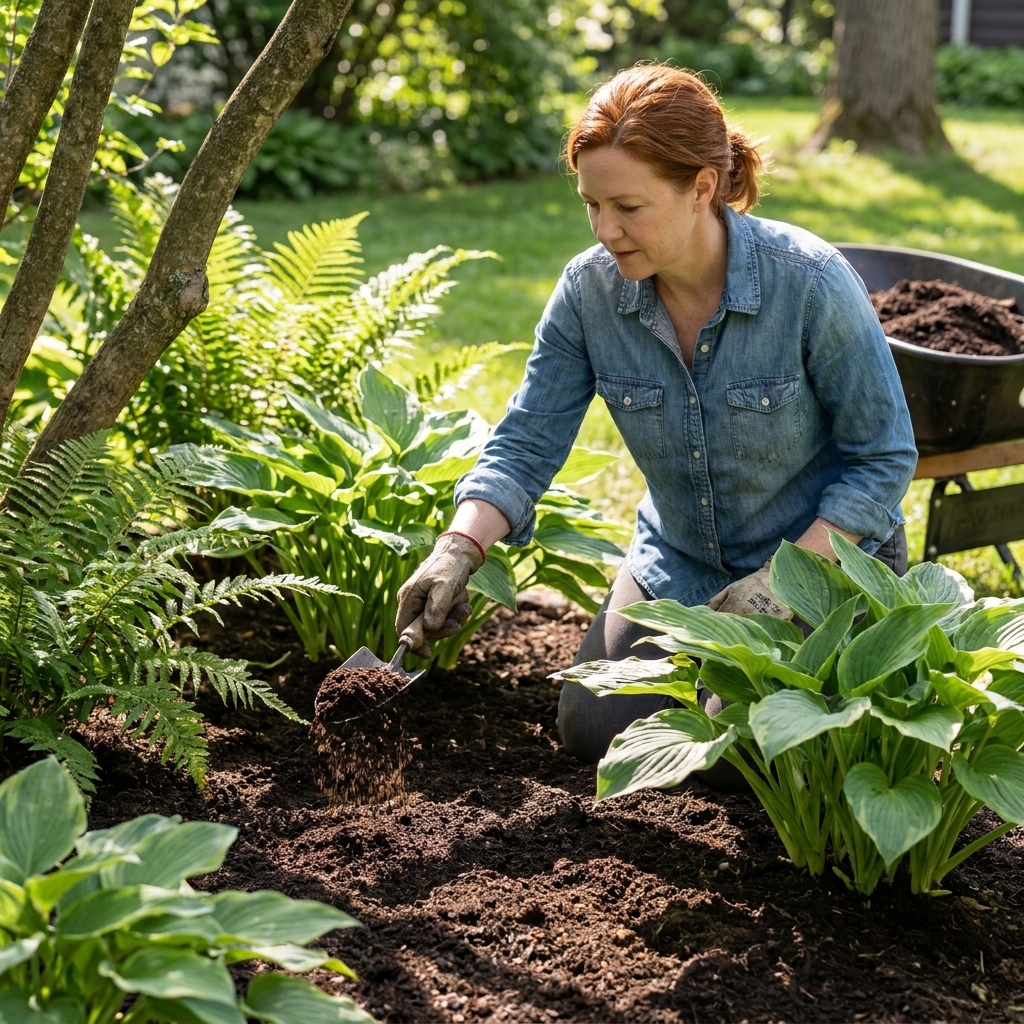
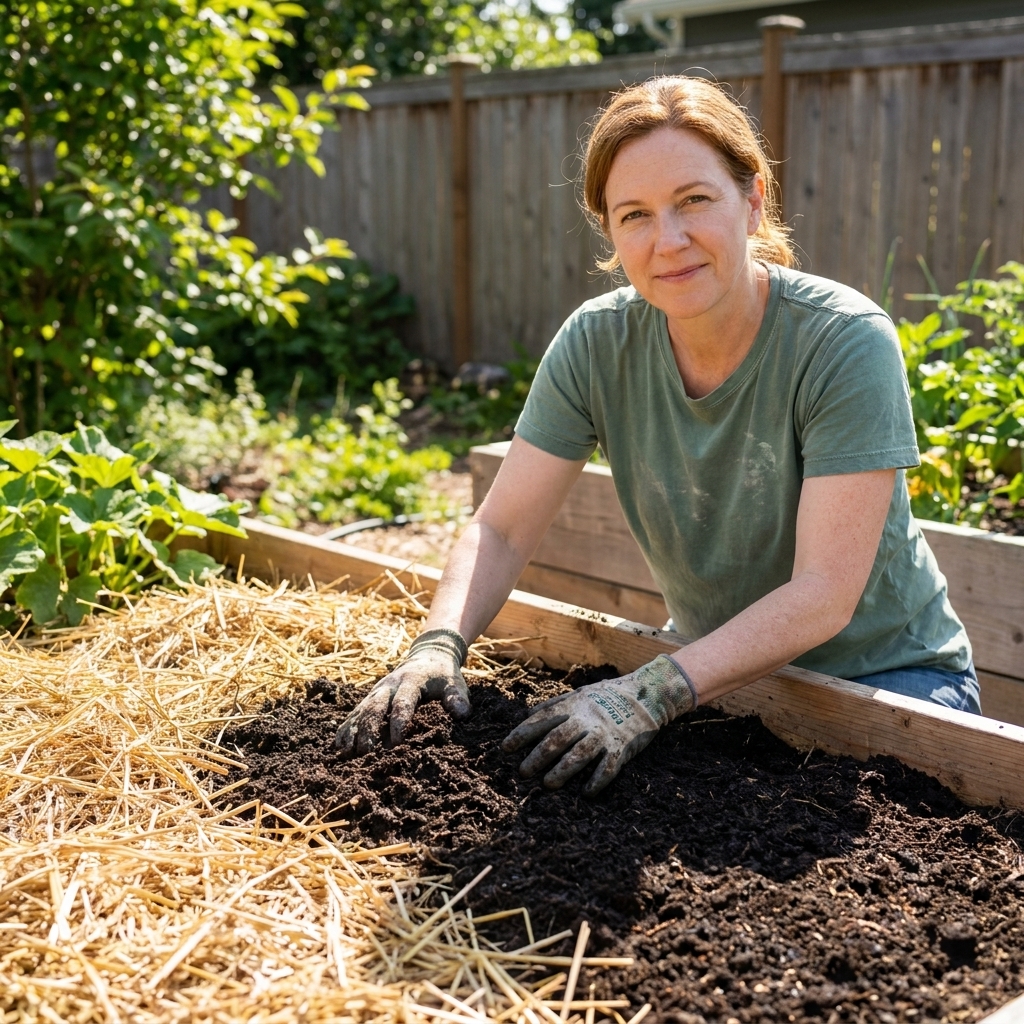
- Add compost: spread 1 to 2 inches of finished compost over the surface.
- Mulch: add leaf mold, shredded leaves, or straw to protect soil life and moisture.
For heavy feeders like tomatoes, squash, and cabbage, I also tuck a couple handfuls of compost into each planting hole. It is the simplest fertility plan I have ever stuck with.
A quick reality check: if your bed level is rising every year, scale back the compost depth or switch to topping with a thinner layer and refreshing mulch instead. And if you have been adding compost for years, a basic soil test every few seasons is worth it, especially for phosphorus.
One more sanitation note that saves trouble: do not compost diseased plants unless you are running a reliably hot compost pile. When in doubt, bag and trash them. Also, a quick scrub of tomato cages and stakes at the end of the season can reduce carryover issues.
What to plant after what
If you want a shortcut, these follow-up crops often play nicely in raised beds.
Good follow-ups
- After tomatoes or peppers: beans or peas, then greens in fall in many climates
- After squash or cucumbers: peas, then garlic in fall
- After brassicas: roots and alliums
- After beans and peas: leafy crops or brassicas
- After garlic and onions: carrots, beets, or lettuce
Avoid back-to-back
- Tomatoes after potatoes (and vice versa), since they share pests and diseases
- Brassicas after brassicas if you have had cabbage worms, clubroot, or persistent flea beetles
- Cucurbits after cucurbits if squash bugs or vine borers were a problem
Cover crops in raised beds
Cover crops are like a quiet, off-season compost pile growing right in place. In raised beds, you want small, manageable options.
Easy cover crop choices
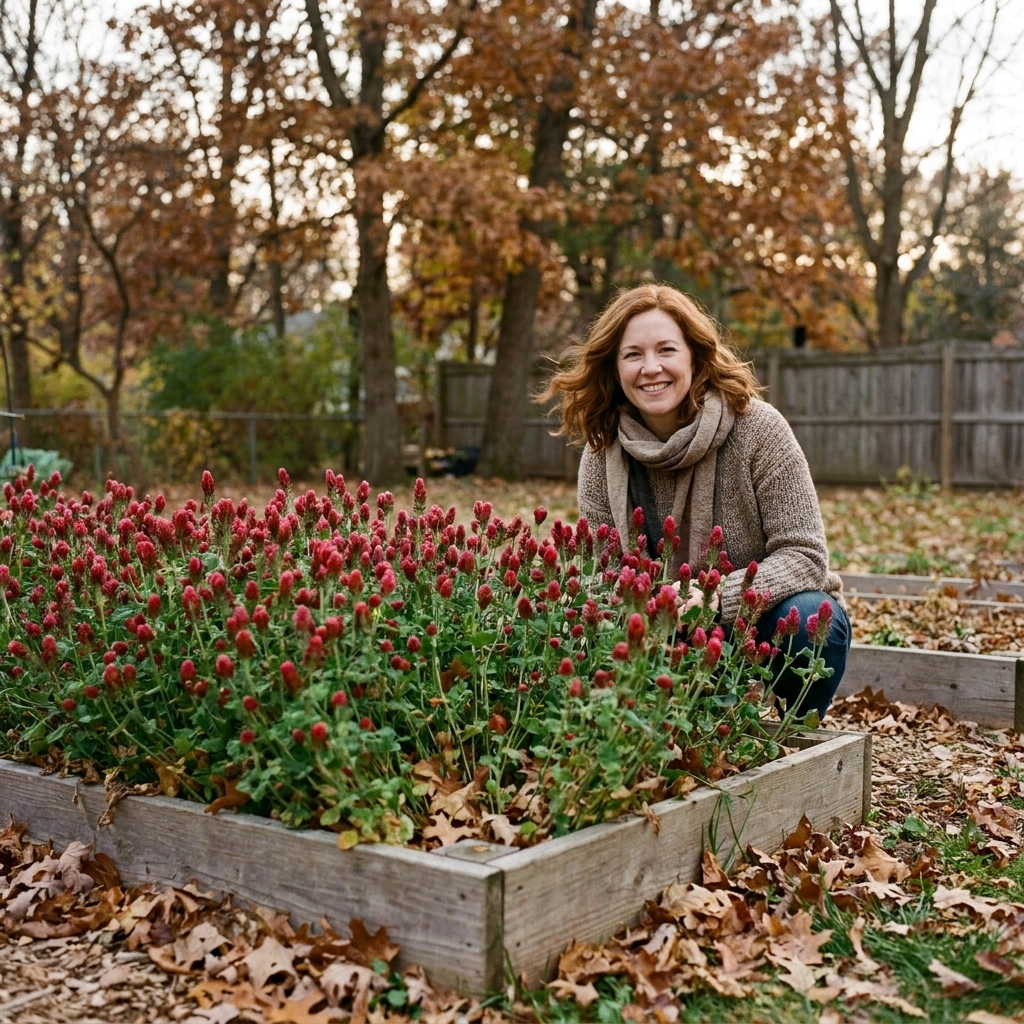
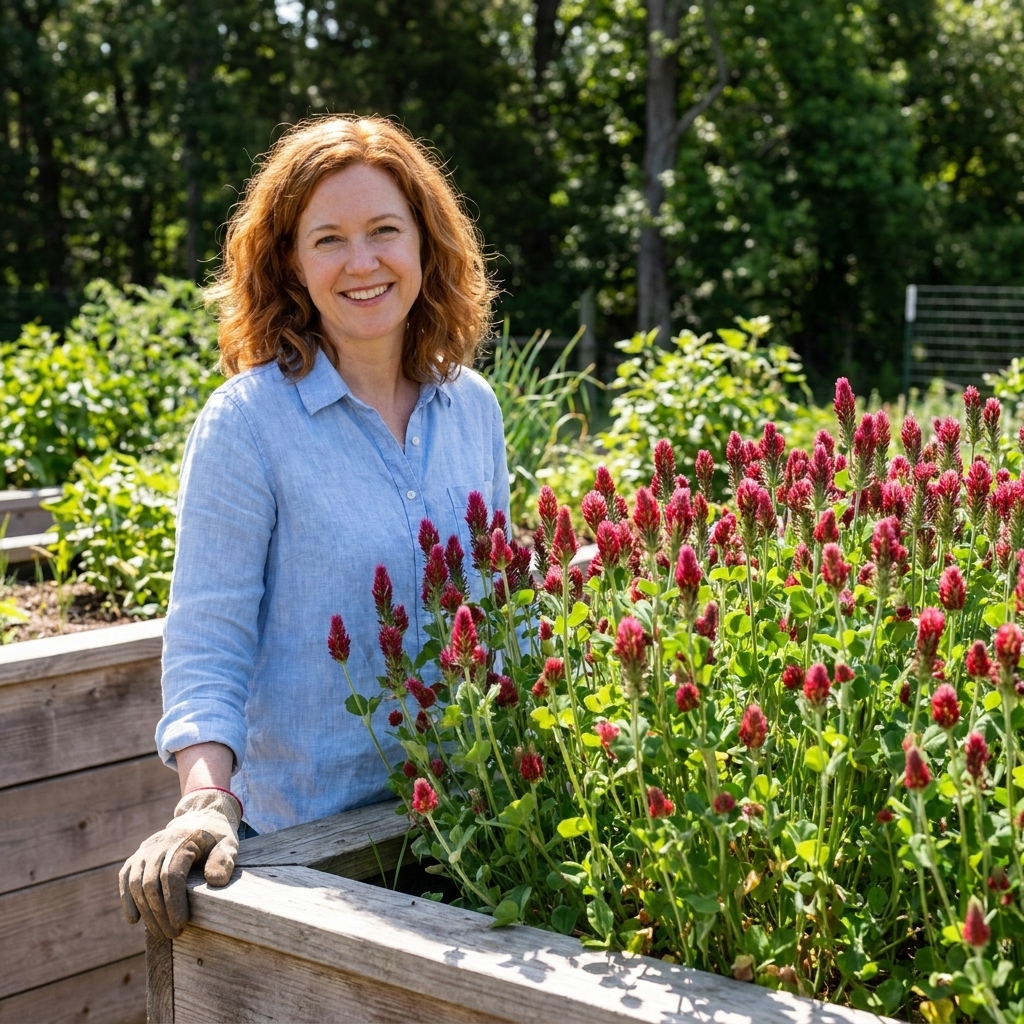
- Crimson clover: adds nitrogen over time, great before fruiting crops
- Field peas: fast spring or fall nitrogen builder
- Oats: great fall cover that winter-kills in many climates
- Buckwheat: quick summer cover for an empty bed between plantings
My favorite raised bed trick is to sow a cover crop the moment a bed opens up, then cut it down before it sets seed. I leave the roots in place and lay the tops down as mulch, then top with a little compost before planting again.
How to keep track
Keeping track is the part that trips people up, so here are a few low-effort options:
- Bed names: label beds A, B, C, D on a simple sketch you keep in your seed box.
- Plant family tags: reuse sturdy plant markers that say “Nightshades,” “Legumes,” and so on.
- Phone photo: take one overhead photo of each bed at peak summer and make a photo album called “Beds 2026,” “Beds 2027.”
If you forget, do not panic. Start where you are. Identify what was in the bed last season and rotate away from that family this season. That is still rotation.
When rotation feels impossible
“I grow tomatoes every year and I only have one good sunny bed.”
Same, honestly. If you must repeat tomatoes, do everything else extra well:
- Swap the tomato location within the bed, even if it is just the other end.
- Remove all tomato debris at season’s end.
- Add compost and keep the bed mulched.
- Consider grafted tomatoes or disease-resistant varieties if you have recurring problems.
- Clean and store cages and stakes so you are not reintroducing issues next season.
“My beds are mixed plantings, not single crops.”
That is fine. Think in percentages. If a bed is mostly nightshades, call it the nightshade bed for rotation purposes. A few basil plants do not change the family category.
“Does crop rotation matter if I replace soil?”
Even if you top up soil, pests and diseases can still linger in the bed, on old roots and debris, and in the surrounding area. Rotation still helps, and compost still matters. In my experience, frequent full soil replacement is usually more work and expense than a steady routine of compost, mulch, and rotation.
My take
Raised beds reward consistency. If you rotate plant families, feed the soil with compost, and avoid repeating the same high-pressure crops in the same spot, you will notice it in the plants. Fewer mystery wilts. Fewer pest blowouts. Better yields from the same small footprint.
If you want the simplest possible starting point, do this next season: wherever tomatoes grew last year, plant beans or peas this year, and give that bed a generous layer of compost. That one change gets you onto the rotation path without needing a spreadsheet.
FAQ
How long should I wait before planting the same family in the same bed?
In an ideal world, 3 to 4 years for the same family. In small gardens, even a 2-year break is helpful, especially if you add compost and remove plant debris promptly.
Do I need to rotate herbs and flowers too?
Not usually. Focus on vegetables that are prone to shared pests and diseases, especially nightshades, brassicas, and cucurbits. That said, if you grow lots of dill, parsley, and carrots, rotating that carrot family cluster can help with pest pressure.
What about rotating within a single large bed?
Yes. Divide the bed into 2 to 4 zones and rotate families through those zones. It is not as strong as moving between separate beds, but it absolutely helps.
Should I add fertilizer if I rotate?
Sometimes. Rotation is not a fertilizer replacement. Think of it as risk management. Compost is your baseline, and then you can add targeted amendments if a crop needs it. For example, tomatoes often appreciate extra compost and a potassium source, while leafy greens respond well to nitrogen-rich compost.