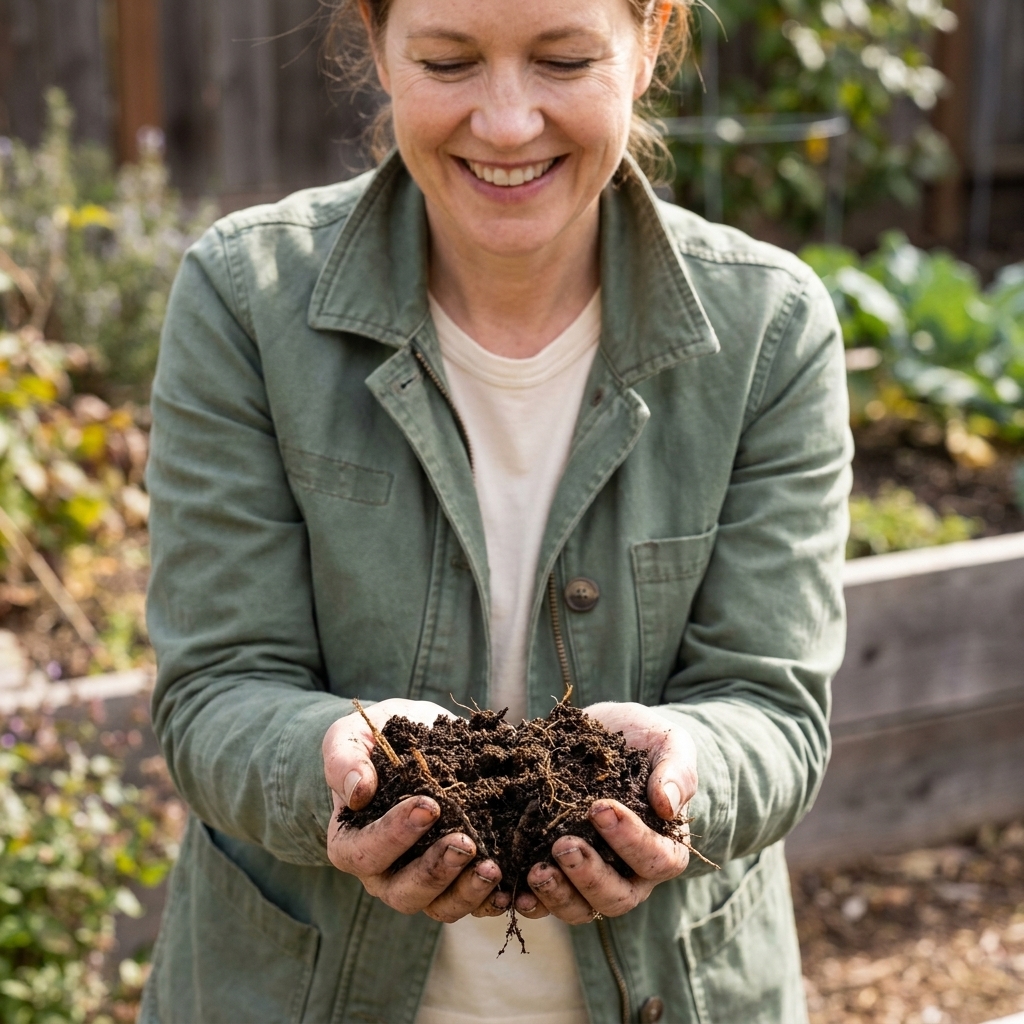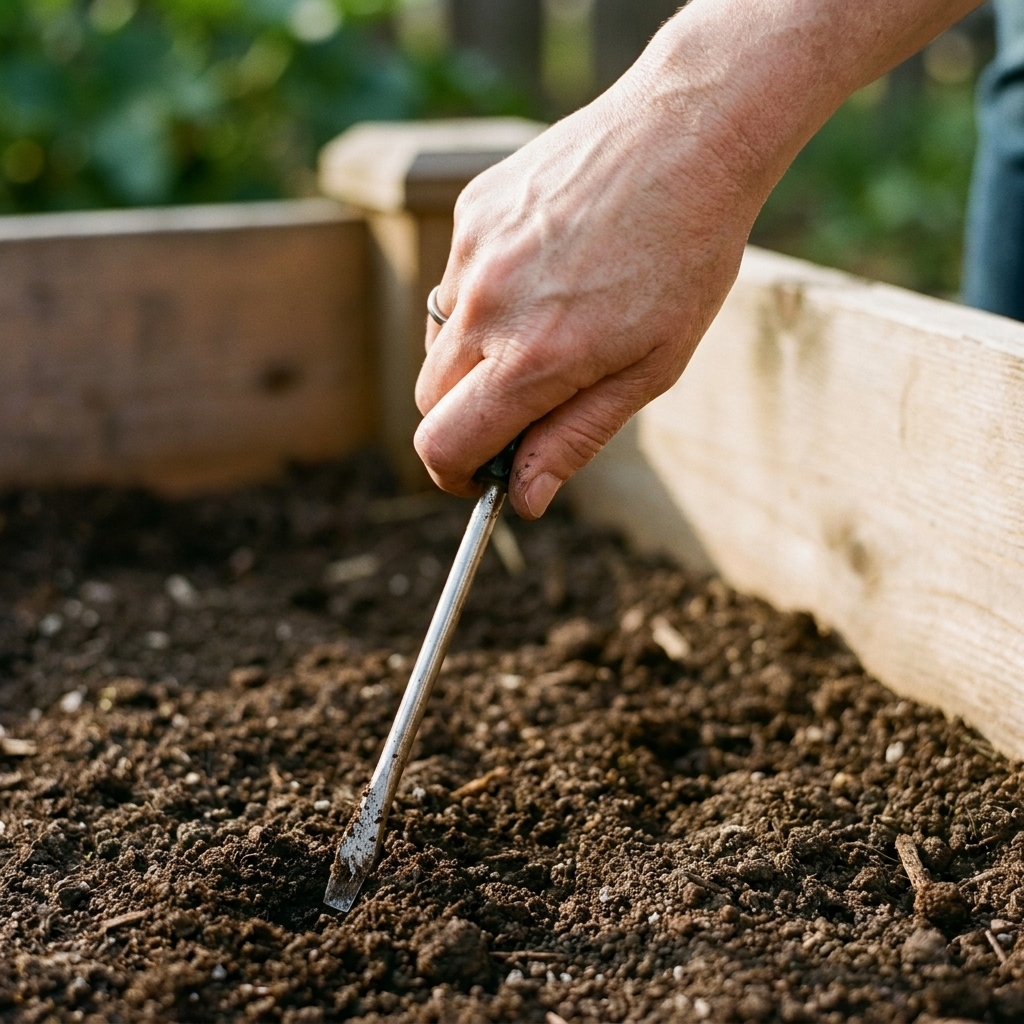
Twelve years ago, I tried to grow a vegetable garden in a yard that was basically brick-hard clay. The plants did not stand a chance. What finally turned things around was learning to feed the soil, not just the plants. One of my favorite low-effort, high-payoff ways to do that is planting a cover crop in fall and letting it do the heavy lifting through winter.
Cover crops are plants you grow primarily to protect and improve soil. Some cover crops are also used as green manure, meaning they are cut down and incorporated while still green to feed the soil quickly. Either way, they can hold nutrients in place, prevent erosion, crowd out winter weeds, and add a big dose of organic matter when you cut them down in spring. Legumes can even fix nitrogen from the air and store it in little nodules on their roots, especially when the right soil microbes (rhizobia) are present or you inoculate the seed.
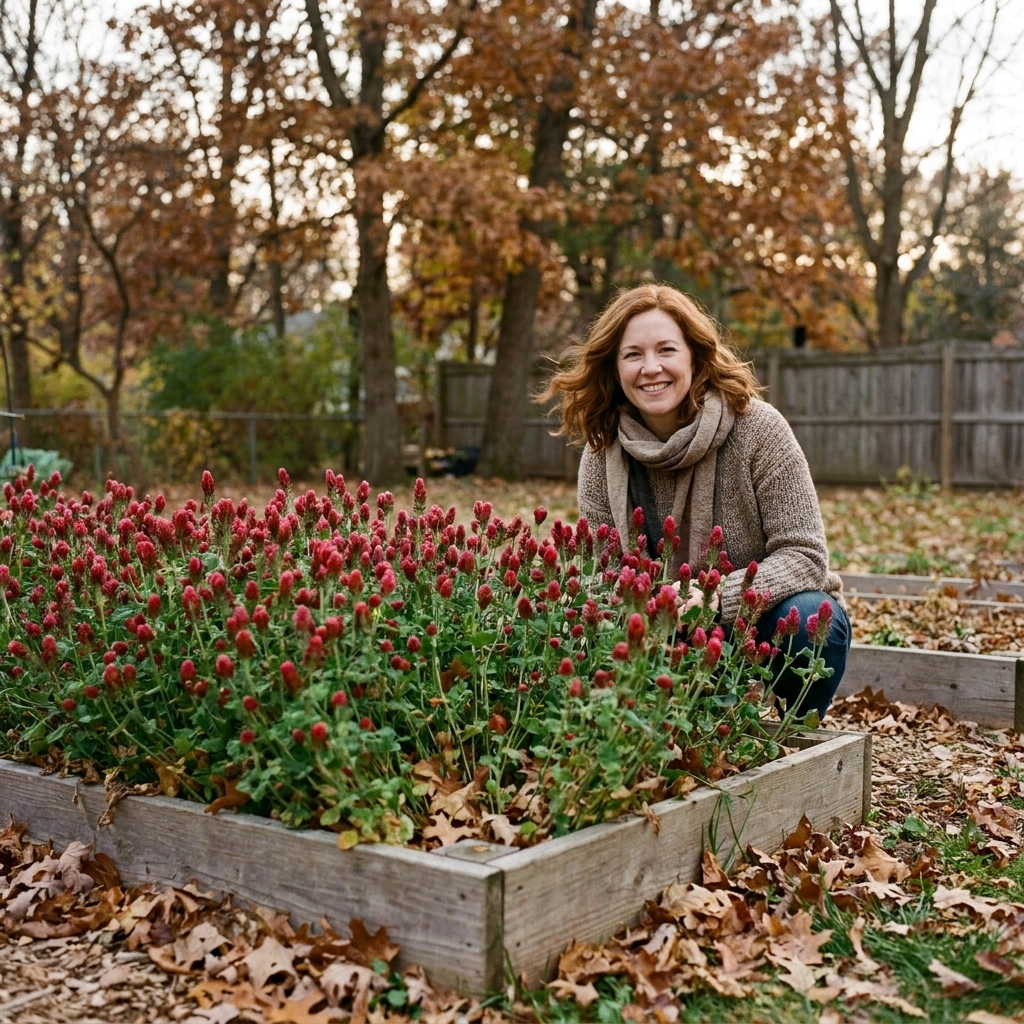
Below are my seven best cover crops for home gardens, plus simple tips on when to plant, what each one is best at, and how to terminate it without turning spring into a wrestling match.
Before you choose: match the cover crop to your goal
If you only remember one thing, make it this: cover crops are tools. Pick the tool that fits what your bed needs most right now.
- Need nitrogen? Choose legumes like clover, vetch, or field peas.
- Need biomass and erosion control? Choose grasses like winter rye or oats.
- Need compaction relief? Choose deep-rooted options like tillage radish.
- Want easy spring cleanup? Oats (often winter-kill) or a low-growing clover are beginner-friendly.
One more practical note: to overwinter just means the plant survives winter and grows again in spring. Whether that happens depends on climate. Some cover crops shrug off freezing temps. Others die back with a hard frost and still do great work as mulch.
Quick guide: what usually survives winter
Garden winters vary a lot, but this rule of thumb helps when you are deciding what you want to deal with in spring:
- Often overwinter: winter rye, winter wheat, hairy vetch (varies by region), crimson clover (milder winters).
- Often winter-kill: oats, tillage radish, field peas (cold winters).
If you are in a cold-winter region, winter-kill can be a feature, not a bug. It gives you soil cover now and an easier bed later.
1) Winter rye (cereal rye)
If I could only plant one cover crop for tough, exposed beds, it would be winter rye. It is cold-hardy, fast to establish, and excellent at holding soil in place through wet, windy months.
Why it earns a spot
- Top-notch erosion control with a dense root system
- Scavenges leftover nutrients so they do not leach away
- Massive spring biomass for organic matter
Keep in mind
- Rye can be vigorous. If you let it get tall and stemmy, it is harder to chop and break down.
- It does not fix nitrogen. Pair it with a legume if nitrogen is your goal.
- Rye residue can briefly suppress small-seeded crops (a short-lived allelopathy effect), so I avoid direct-sowing carrots and lettuce into fresh rye mulch. Transplants are usually fine, or just wait a couple of weeks.
When to plant and how to end it
Sow in fall about 4 to 6 weeks before your ground freezes. In spring, you have two workable options: cut it early while it is still tender for easier breakdown, or wait until it is closer to flowering for better kill. Either way, cut it low and expect that rye may try to regrow. If it does, just recut (sometimes a second pass is the difference between “easy mulch” and “why is it standing back up?”). I like to chop it at the base and leave it as mulch for a couple weeks, then plant through the residue or pull it aside into rows.
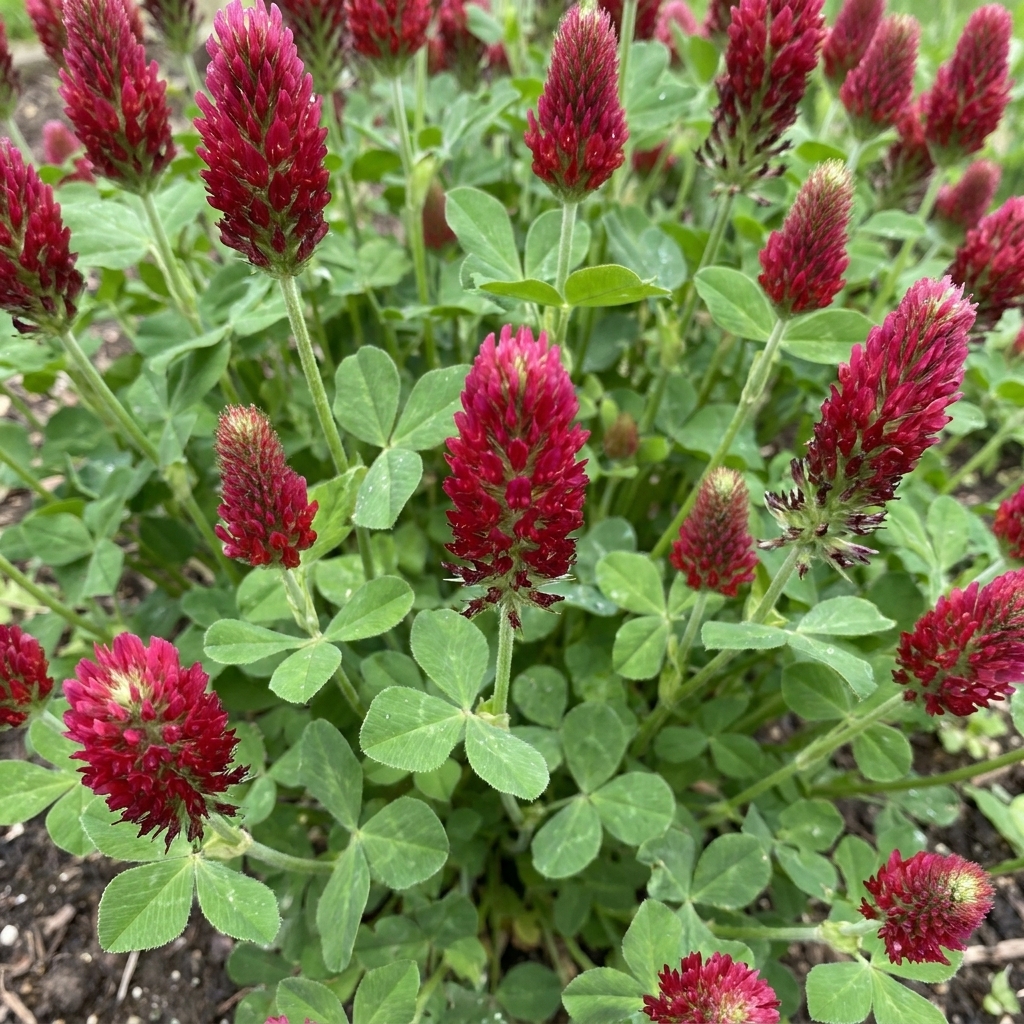
2) Crimson clover
Crimson clover is my “pretty and practical” pick. It makes a lush carpet, feeds pollinators early if you let it bloom, and fixes nitrogen while you are inside making soup and pretending you are not thinking about tomatoes.
Why it earns a spot
- Fixes nitrogen for next season’s leafy crops
- Good weed suppression once established
- Easy to mow or chop compared with tougher grasses
Keep in mind
- Not as winter-hardy everywhere. In colder areas it can winter-kill, which is not a failure. It still protects soil and leaves residue.
- Like most legumes, it performs best in soils that are not extremely acidic.
When to plant and how to end it
Sow in early fall so it has time to root in before hard freezes. In spring, chop it down before or around early bloom depending on your goal. Earlier means faster breakdown. A bit later means more biomass. Let the cut plant matter rest on the surface as mulch, or lightly incorporate if that is your style.
3) Hairy vetch
Hairy vetch is a nitrogen-fixing powerhouse. When a bed is tired and pale, vetch is one of the fastest ways I know to put some “life” back into it without hauling in bags of fertilizer.
Why it earns a spot
- Excellent nitrogen fixation
- Great winter hardiness in many regions
- Lots of spring growth to build organic matter
Keep in mind
- Vetch can vine and tangle, especially if you let it go too long in spring.
- It is easiest to manage when mixed with a grass like rye or oats.
- Do not let it set seed unless you want volunteer vetch. Terminate by flowering at the latest if you are trying to keep it from reseeding.
When to plant and how to end it
Plant in fall while soil is still workable. In spring, terminate at early flowering by cutting low and leaving it to wilt. If it is a thick mat, I cut it, wait a week, then cut again. Two passes sounds fussy, but it makes planting day so much calmer.
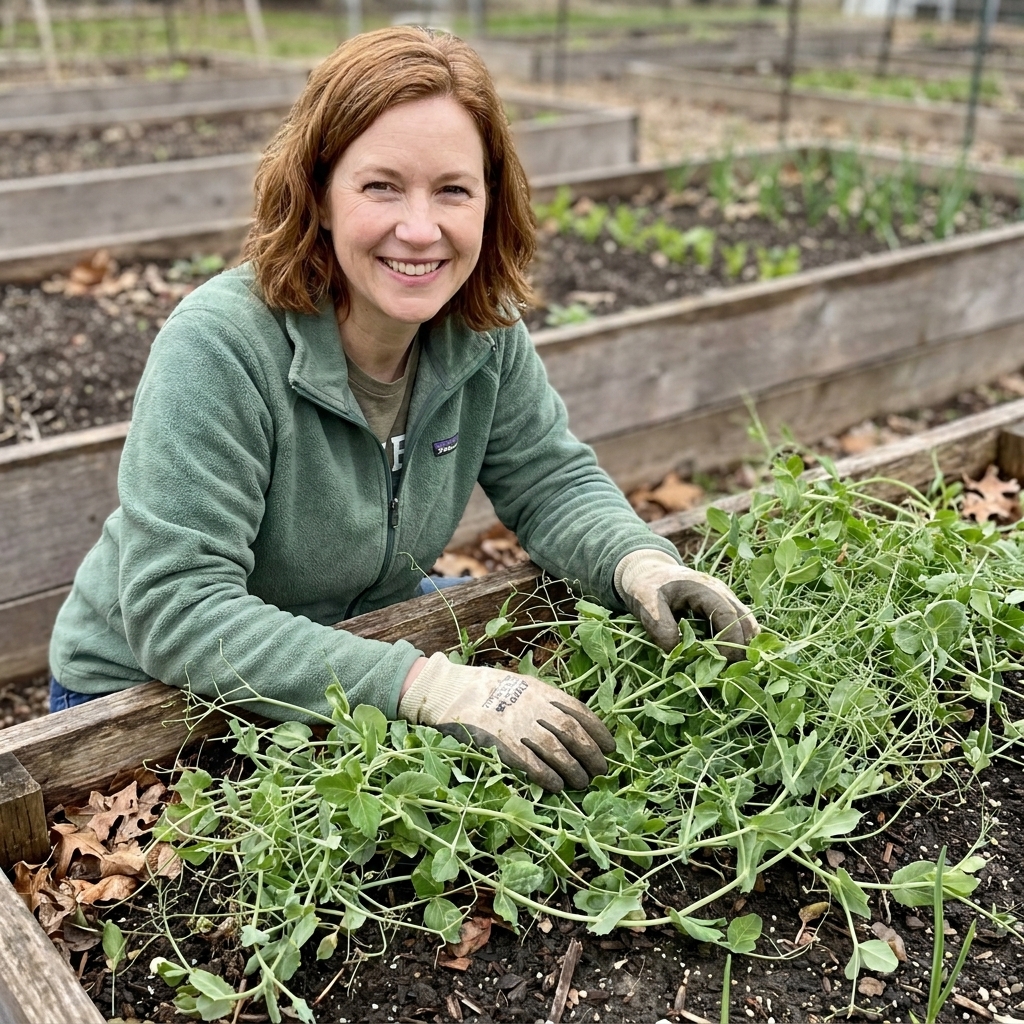
4) Field peas (Austrian winter peas)
Field peas are a great choice if you want nitrogen fixation but prefer a cover crop that feels a little less wild than vetch. They are also one of my favorite options for mixing with oats.
Why it earns a spot
- Fixes nitrogen
- Fast fall growth for quick soil cover
- Soft stems that break down readily
Keep in mind
- Depending on winter lows, peas may winter-kill. Again, that is fine. Winter-kill can be a feature if you want easy spring beds.
- They like decent drainage. In soggy spots they can struggle.
When to plant and how to end it
Sow 4 to 8 weeks before your first hard freeze. If they survive winter, cut them at flowering in spring. If they winter-kill, you will have a ready-made mulch layer to pull aside for planting.
5) Oats
If you are new to cover crops or you just want the simplest possible spring, oats are your friend. In many climates, oats winter-kill after hard freezes, leaving a tidy blanket of straw-like residue.
Why it earns a spot
- Beginner-friendly termination (often winter-kills)
- Great for erosion control and nutrient holding
- Builds organic matter without a spring fight
Keep in mind
- Oats do not fix nitrogen.
- If your winters are mild, oats may survive and need cutting in spring.
When to plant and how to end it
Sow in late summer to fall. If winter-killed, do nothing except enjoy how easy it is to plant into. If it survives, cut it down while still tender and green.
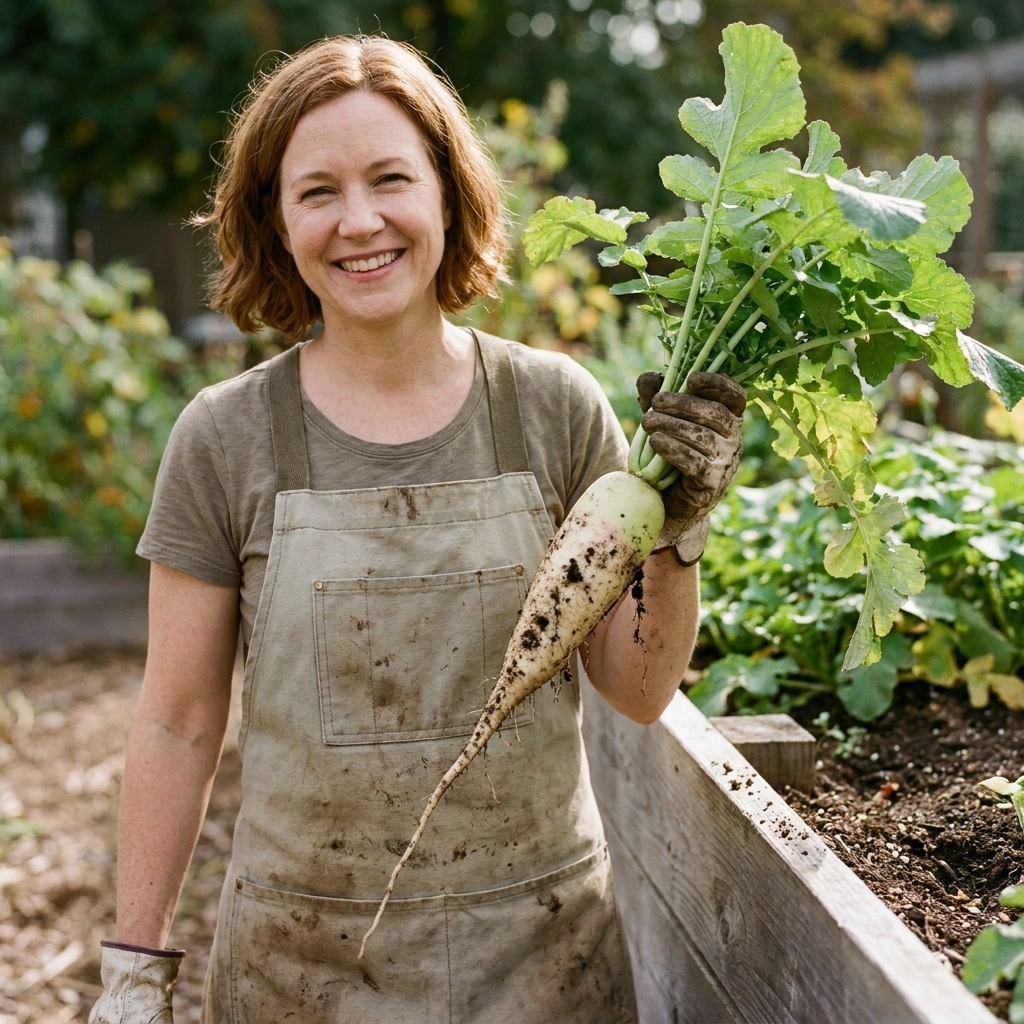
6) Tillage radish (daikon-type radish)
Tillage radish is the cover crop I reach for when a bed feels compacted, crusty, or slow to drain. Its thick taproot drills down, then decomposes and leaves behind channels that help water and roots move through the soil.
Why it earns a spot
- Breaks up compaction with deep taproots
- Captures leftover nutrients, especially nitrogen, that might otherwise leach deeper
- Typically winter-kills in cold climates
Keep in mind
- When radish winter-kills, it can smell a bit as it decomposes. It passes quickly, but it can surprise you.
- It is not a big biomass builder compared to rye.
When to plant and how to end it
Plant in early fall so the root has time to size up. In colder areas it will winter-kill and melt into the soil. In mild areas, cut it down before it goes to seed.
7) Winter wheat
Winter wheat is a gentler cousin to winter rye. It is still a solid winter cover and soil holder, but it tends to be less aggressive and easier for many home gardeners to manage.
Why it earns a spot
- Good cold tolerance and dependable ground cover
- Helps prevent erosion and nutrient leaching
- Easy to find through many seed suppliers
Keep in mind
- Like rye and oats, wheat does not fix nitrogen.
- It can still get fibrous if allowed to mature too long in spring.
When to plant and how to end it
Sow in fall several weeks before freeze-up. In spring, terminate early, while it is still lush and green. Cut low, let it wilt, then plant. If it starts to regrow, give it another quick cut.
My favorite mixes
If you are willing to buy two seed types instead of one, mixes can give you better balance. Grasses make biomass and protect soil. Legumes add nitrogen. Together, they make a cover crop that is easier to manage and more useful in spring.
- Winter rye + crimson clover: Great for nutrient capture plus nitrogen.
- Oats + field peas: My favorite “easy mode” mix for beds you want to plant early.
- Winter rye + hairy vetch: Big organic matter and serious nitrogen potential.
Seeding rates (quick and simple)
You can get very technical with seeding rates. For home gardens, I like a simple broadcast range per 100 square feet. Use the higher end if you want fast weed suppression and dense coverage.
- Winter rye: 0.25 to 0.5 lb
- Winter wheat: 0.25 to 0.5 lb
- Oats: 0.25 to 0.5 lb
- Crimson clover: 1 to 2 oz
- Hairy vetch: 2 to 4 oz
- Field peas: 0.25 to 0.5 lb
- Tillage radish: 0.25 to 0.5 oz
For mixes, split the difference: for example, use about two-thirds of each seed rate rather than a full rate of both.
How to plant cover crops
You do not need fancy equipment. I have planted cover crops with nothing more than a hand rake and a bucket of seed.
- Clear big debris. Pull out spent plants and thick stems. Leave roots in the ground.
- Loosen the top inch. A rake is usually enough. You are not tilling, just making seed contact easier.
- Broadcast seed. Toss it evenly.
- Rake again lightly. You want seed tucked into the surface, not buried deep.
- Water once. If fall rains handle the rest, even better.
If you are planting after a heavy-feeding crop like corn, squash, or lots of tomatoes, I like to sprinkle a thin layer of finished compost first, then seed right on top and rake it in.
How to terminate cover crops
This is the part that scares people off, but it is straightforward once you pick the right method for your garden.
- Chop and drop: Cut at the base and leave the greens as mulch. Great for no-dig beds.
- Sheet mulch: Cut the cover crop, then cover with cardboard and compost if you want a cleaner reset.
- Light incorporation: If you dig or use a fork, mix the greens into the top few inches.
- Tarp method: After cutting, cover the bed with a tarp for a couple of weeks to finish the kill and stop regrowth. This is especially handy with vigorous grasses.
If you incorporate a lot of fresh material, wait a bit before planting. The 2 to 3 week wait matters most after incorporating mature grasses or anything high-carbon and stemmy. Tender legumes are less likely to tie up nitrogen, but I still like to give the soil a short breather if I am mixing a lot in.
My biggest tip: do not wait too long. Young, green growth breaks down quickly. Tall, mature stems act more like straw and take longer.
Quick FAQ
When should I plant a cover crop in fall?
Aim for 4 to 8 weeks before your soil freezes solid. You want enough time for roots to establish. In warmer climates, you can plant later and still get good coverage.
Will cover crops steal nutrients from my spring vegetables?
While they are growing, cover crops use nutrients, but that is the point: they hold them in place instead of letting them wash away. When you terminate, those nutrients return as the plants break down. If you incorporate a lot of mature, high-carbon growth right before planting, wait a couple weeks to avoid temporary nitrogen tie-up.
Can I just leave the cover crop and plant through it?
Yes, if it is cut down first and allowed to wilt into a mulch layer. This works especially well with oats residue, clover, and young rye that is chopped early. If rye regrows, cut it again before planting day.
Do I need to inoculate legumes?
Sometimes it helps, especially in newer beds that have not grown legumes before. If you want maximum nitrogen fixation from clover, vetch, or peas, using the correct inoculant is a simple extra step.
The winter soil habit that pays off
I love compost, obviously. But cover crops feel like composting in place. You are growing your own mulch and fertilizer right where you need it, while protecting your beds through the roughest weather of the year.
If you want the easiest starting point, try oats (or oats plus peas). If you want the biggest spring transformation, go for winter rye (or rye plus clover). Either way, your spring soil will be darker, softer, and much more alive.