If you garden in sandy soil, you already know the upside: it warms up early, it is easy to dig, and carrots usually grow like they are trying to win a ribbon at the fair. The downside is that sand is basically a leaky bucket. Water runs through. Nutrients follow. Plants look hungry again two weeks after you fertilize. I have fought this battle in more than one yard, and the fix is not a single magic product. It is a simple strategy: add long-lasting organic matter, keep the surface protected, and water in a way that encourages roots to grow deeper and stay in the moist zone.
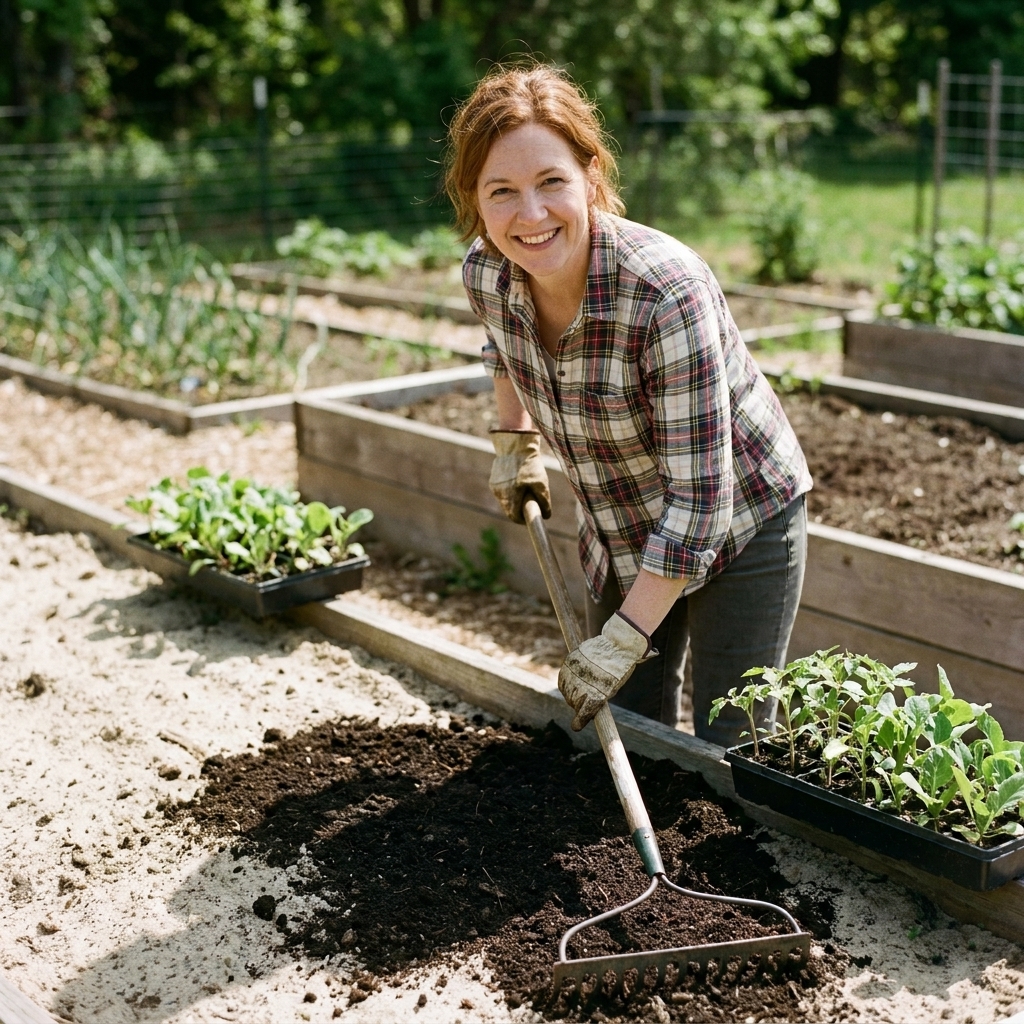
This guide focuses on what actually helps sandy soil hold onto water and nutrients, using amendments and compost-friendly practices that build better soil season after season.
Why sandy soil loses water and nutrients fast
Sandy soil has big particles with big air spaces between them. That is great for drainage and oxygen, but it leaves very little surface area to hold water and grab onto nutrients. Two things matter most here:
- Water retention: Sand does not hold much water in the root zone, so plants dry out quickly.
- Nutrient holding: Many plant nutrients move with water. When water moves fast, nutrients leach below where roots can reach them.
The goal is not to turn sand into clay. The goal is to create a crumbly, sponge-like soil structure by adding materials that act like tiny reservoirs and nutrient parking lots.
Best amendments for sandy soil
If you only remember one thing, make it this: organic matter is the long game. But not all organic matter behaves the same. Here are the amendments I trust most in sandy beds, in the order I reach for them.
Finished compost (your #1 soil glue)
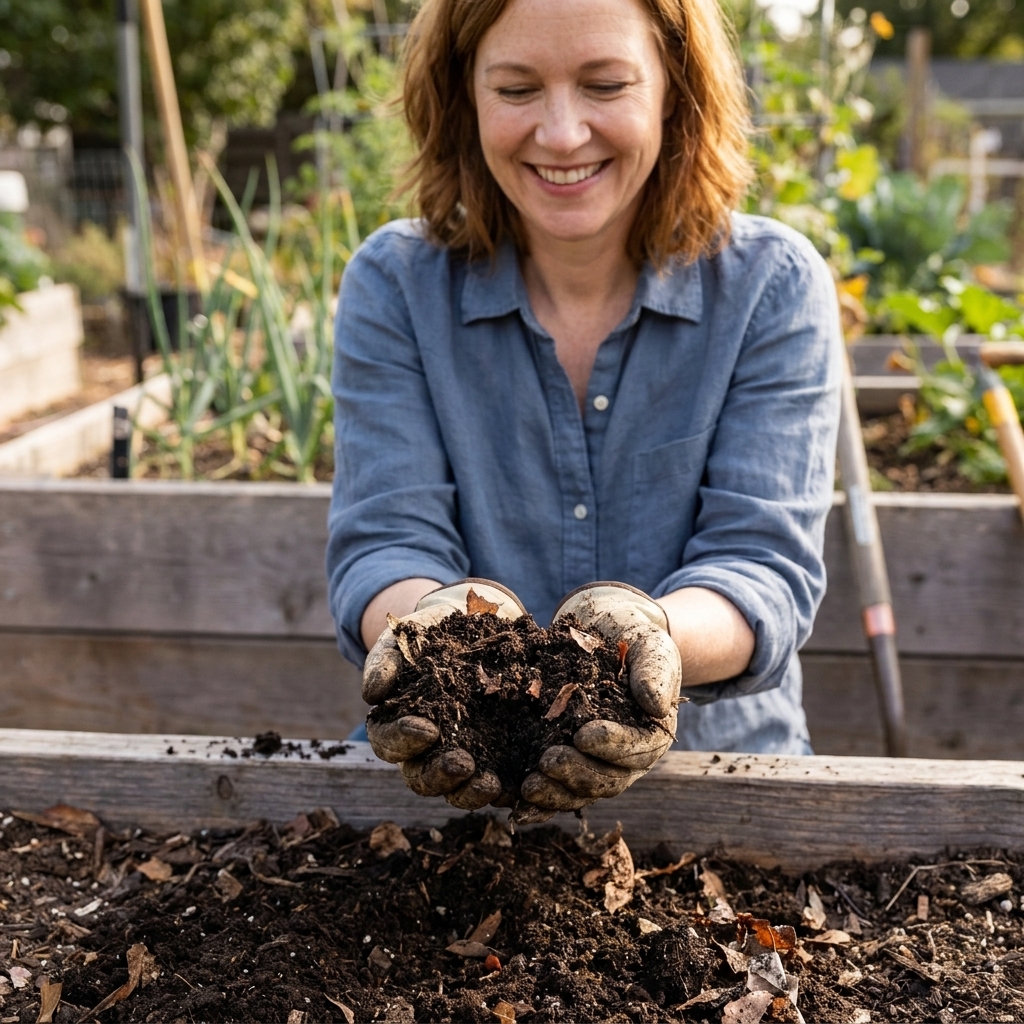
Compost improves sandy soil in three ways at once: it increases water holding, feeds soil life that helps create stable aggregates, and gently boosts nutrients without the flash-and-crash you can get from strong soluble fertilizers.
- Best use: Top-dress and lightly incorporate into the top few inches (about 2 to 6 inches) if the bed is empty. If plants are in, top-dress and let worms do the mixing.
- How much: A 1 to 2 inch layer once or twice per year is a solid start. In very sandy beds, I often do 2 inches in spring and 1 inch in fall.
- What compost is best: Dark, crumbly, finished compost that smells earthy, not sour or ammonia-like.
From my own trial and error: In pure sand, tiny compost applications disappear fast. A real soil-feel change usually starts after your second or third generous application, especially if you keep the surface mulched.
Leaf mold (moisture-retention champion)
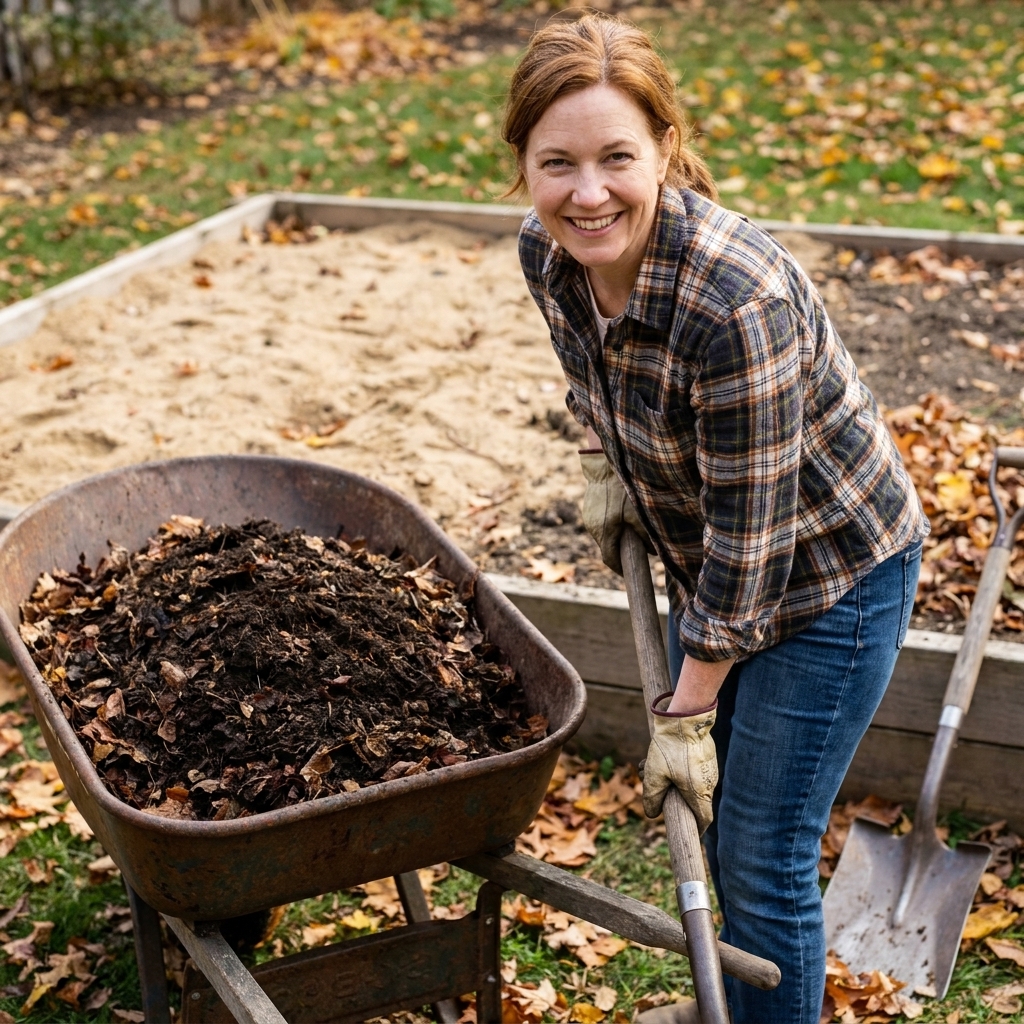
Leaf mold is what happens when leaves break down slowly and turn into a soft, springy material. It is not as nutrient-rich as compost, but it is excellent at holding moisture, which is exactly what sandy soil needs.
- Best use: Mix into beds or use as a top-dressing under mulch.
- How much: Similar to compost, 1 to 2 inches is great.
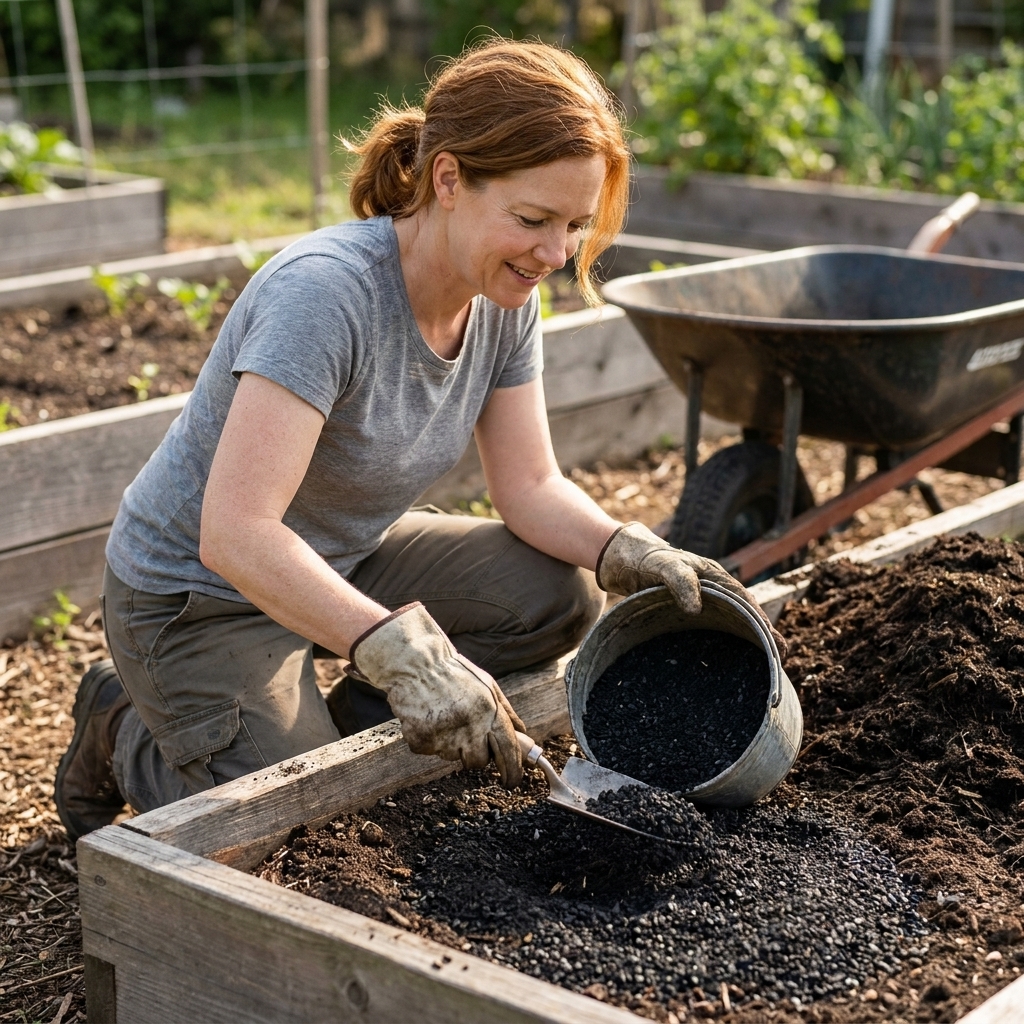
Biochar (long-lasting nutrient sponge)
Biochar can be a game-changer in sandy soil because it is stable for years and has a porous structure that helps hold water and nutrients. The key is using it well, because different biochars (and different soils) can behave a little differently.
- It is best to charge it first: Mix biochar with compost, worm castings, or soak it in a mild nutrient solution before adding it. Fresh, uncharged biochar can adsorb nutrients at first, which may temporarily reduce what plants can access.
- How much: Think modest. Roughly 5 to 10% by volume in the amended zone is plenty for most gardens. If you want a simple mental picture, that is often a thin dusting up to about a quarter-inch layer spread over a bed and mixed in with compost.
- Best use: Blend with compost and incorporate into the root zone.
Worm castings (small amount, big impact)
Castings are not a bulk amendment. They are a booster. They help with nutrient retention, microbial activity, and gentle fertility. In sandy soil, they are especially helpful around transplants and heavy feeders.
- Best use: In planting holes, as a thin top-dress, or brewed into a simple aerated compost tea if that is already part of your routine.
- How much: A little goes a long way. Think handfuls per plant or a light sprinkle over a bed.
Aged manure (useful, but be careful)
Well-aged manure adds organic matter and nutrients, but it can be too hot if it is fresh, and some sources can carry persistent herbicides. If you use it, keep it fully composted or aged, and source it carefully.
- Best use: Mixed with compost, not as a standalone fix.
- Tip: If you are unsure about the source, do a quick bean test in a pot before spreading widely.
What to skip (or use sparingly)
- Sand added to sand: It does not improve retention, it just adds more of the same problem.
- Peat moss: It holds water, yes, but it is not my first choice. It can become hydrophobic when it dries and is not the most sustainable option. If you use it, pair it with compost and keep the soil covered.
- Fix-it-fast soluble fertilizers: In sandy soil they can wash through quickly, pushing fast growth and then leaving plants hungry again.
- Mixing clay into sand: It can help in theory, but at typical garden scale it is difficult to blend evenly. The usual result is uneven texture and clods. Compost is the safer, more reliable path for most gardeners.
Compost habits that work in sandy beds
If your soil is sandy, your compost strategy should lean toward volume and consistency. You are not just feeding plants, you are building a reservoir.
Use finished compost in the root zone
Half-finished compost can steal nitrogen while it continues to break down. In sandy soil, that can show up fast as pale, sluggish growth.
- Let compost finish until it is dark and crumbly and you cannot recognize the original materials.
- If you want to apply something fresher, use it as a mulch layer on top, not mixed into the root zone.
Include water-holding browns
For compost destined for sandy beds, I love adding shredded leaves, chopped straw, and cardboard. They break down into humus that improves moisture retention.
Save your fine compost for the garden
Screening compost is optional, but in sandy soil it helps. Finer compost blends more evenly and fills gaps between sand particles better than chunky compost does.
Mulch keeps sand from drying out
Mulch is the protective lid on your leaky bucket. It slows evaporation, buffers soil temperature, and reduces splash and crusting after watering.
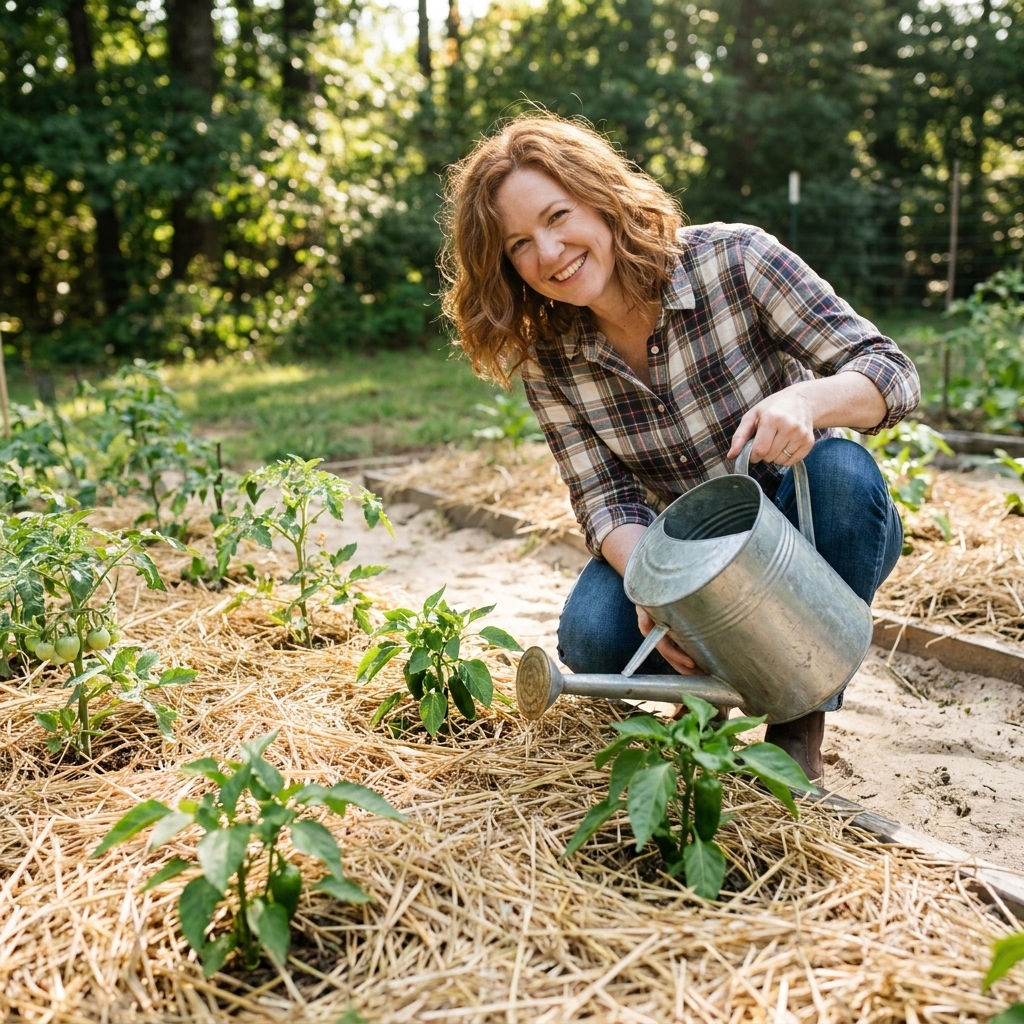
- Best mulches for sandy soil: Straw, shredded leaves, leaf mold, wood chips (especially for paths and around perennials), pine needles, or a compost layer topped with leaves.
- How deep: 2 to 4 inches for most organic mulches. Keep mulch a couple inches away from plant stems to prevent rot.
- Extra credit: In very windy areas, dampen mulch after spreading or tuck it under a light layer of compost so it stays put.
- One more caution: Straw, hay, and even some bagged compost can occasionally carry persistent herbicide residues. If you are using a new source, especially farm straw, do the same simple bean test you would do for manure.
Cover crops that save nutrients
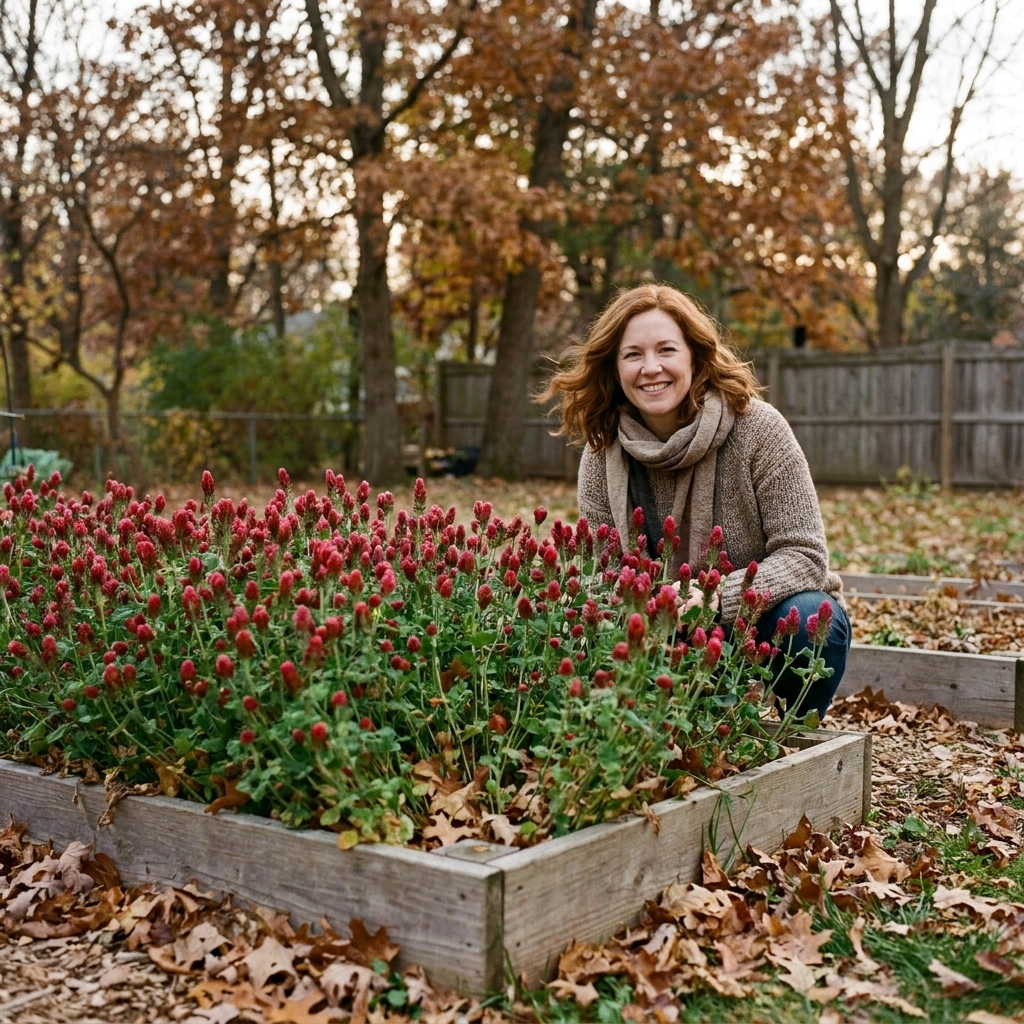
If you have a bed that sits empty part of the year, cover crops are one of the best ways to keep nutrients from washing away. Their roots hold soil in place and their growth captures leftover fertility.
- For fall and winter: Cereal rye (great biomass), oats (often winter-kills in cold-winter areas), or a mix with crimson clover.
- For spring and summer gaps: Buckwheat is fast and easy.
- For nitrogen help: Legumes like clover or vetch, especially if you are growing heavy feeders next season.
When you cut a cover crop and return it to the soil, you are basically growing your own organic matter on-site, which is sandy soil’s favorite thing.
Watering and fertilizing without waste
With sandy soil, the how matters as much as the what. A few small habit changes can save gallons of water and keep nutrients where plants can actually use them.
Water slower and deeper
- Use drip irrigation or soaker hoses when possible. They deliver water slowly enough that it can soak in, not race through.
- Aim for deeper watering: Encourage roots to chase moisture downward rather than staying shallow.
- Mulch first: You will be amazed how much longer moisture lasts under a good mulch blanket.
Split fertilizer into smaller doses
Instead of one big feeding, use smaller applications so less gets lost to leaching.
- Compost top-dress: A light midseason top-dress can be plenty for many beds. In very sandy soil or with heavy feeders, a couple of light top-dresses during the growing season can work well, but let plant growth and a soil test, not the calendar, be your guide.
- Organic slow-release options: Alfalfa meal, kelp meal, and a balanced organic granular fertilizer tend to release more gradually than soluble feeds.
- Liquid feeds: Use them as a quick correction, not the main plan. They are easy to wash out of sand.
Use minerals, but keep them targeted
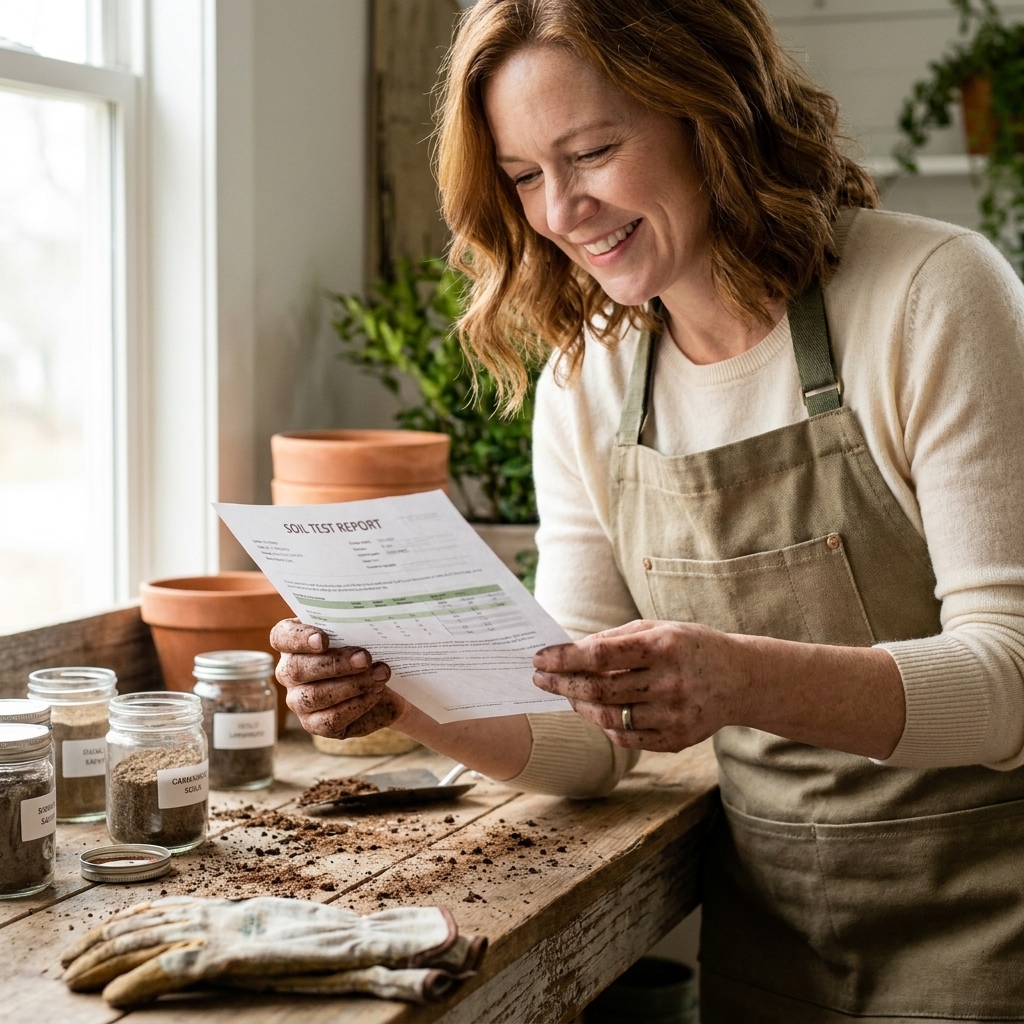
In very sandy regions, soils can be low in certain minerals. If plants struggle even after organic matter improves, a basic soil test is worth it. Ask for pH, organic matter percentage, and macronutrients at minimum. In very leached or coastal areas, adding micronutrients can be helpful too, but do it based on results, not guesses. Sandy soil responds quickly to changes, for better or worse.
A simple 3-step plan
If you are staring at a sandy bed and want a clear starting point, this is the exact sequence I use.
- Top-dress with 1 to 2 inches of finished compost and gently work it into the top few inches if the bed is empty. If plants are already in, just top-dress.
- Add 2 to 4 inches of mulch (straw or shredded leaves are easy wins) to slow evaporation and protect the soil surface.
- Switch to slow watering (drip or soaker if you can, or a hose on a low trickle) and water deeply rather than sprinkling daily.
Do that for one season and you will notice a difference. Do it for three seasons and your sandy soil starts acting like actual soil.
Common mistakes
- Only adding compost once: Sandy soil benefits from repeated additions. Think of it as building a savings account, not paying one bill.
- Leaving soil bare: Bare sand dries out and loses nutrients faster. Keep it planted or mulched.
- Over-fertilizing to make up for leaching: This can backfire, stressing plants and polluting groundwater. Build organic matter instead.
- Tilling too aggressively every season: Light incorporation is fine, but constant deep tilling breaks soil structure and speeds organic matter loss.
FAQ
How long does it take to improve sandy soil?
You can improve moisture retention in a single season with compost plus mulch. The deeper, longer-lasting change usually shows up over 1 to 3 years of consistent organic matter additions.
Will compost make sandy soil hold too much water?
In sandy soil, compost usually improves the soil’s ability to hold water and maintain airflow. The main exceptions are spots with a compacted layer underneath, a low area that already stays wet, or containers and raised beds with poor drainage. If those apply, fix drainage first and then add compost.
Can I just use topsoil to fix sand?
Topsoil can help, but it often settles and still needs organic matter to perform well. If budget forces a choice, I would put money into compost (and mulch) first.
Is coco coir good for sandy soil?
Coco coir can improve water retention and re-wets more easily than peat. It is not very nutrient-rich, so it works best mixed with compost rather than used alone.
What plants do well while I am improving my sand?
Many Mediterranean herbs (rosemary, thyme, lavender) like drainage, and so do many root crops. Use these as confidence builders while you keep adding organic matter for your thirstier crops like tomatoes, cucumbers, and squash.
How often should I soil test sandy soil?
Every 2 to 3 years is a good baseline for most gardens. If you are actively correcting pH, dealing with mystery yellowing, or pushing heavy production in very sandy ground, testing yearly for a bit can save time and money.
The sandy-soil mindset
Sandy soil is not bad soil. It is just soil that needs a different rhythm. Feed it organic matter, protect it with mulch, and stop trying to force it to behave like a heavy loam overnight. Every season you add compost and keep the ground covered, you are teaching that sand to hold onto what your plants need. And once it starts, it keeps getting easier.