When I started composting, I thought the goal was simply to buy the “right” bin. Turns out the right system is mostly about how you live: how much food scrap you generate, whether you have a hose nearby, how often you will actually turn a pile, and how patient you are when the compost decides to take its sweet time.
Compost tumblers and stationary bins can both make gorgeous, crumbly compost. They just get there in different ways. Below is the neighbor-over-the-fence breakdown of what each system does best, what will drive you nuts, and how to choose without overthinking it.
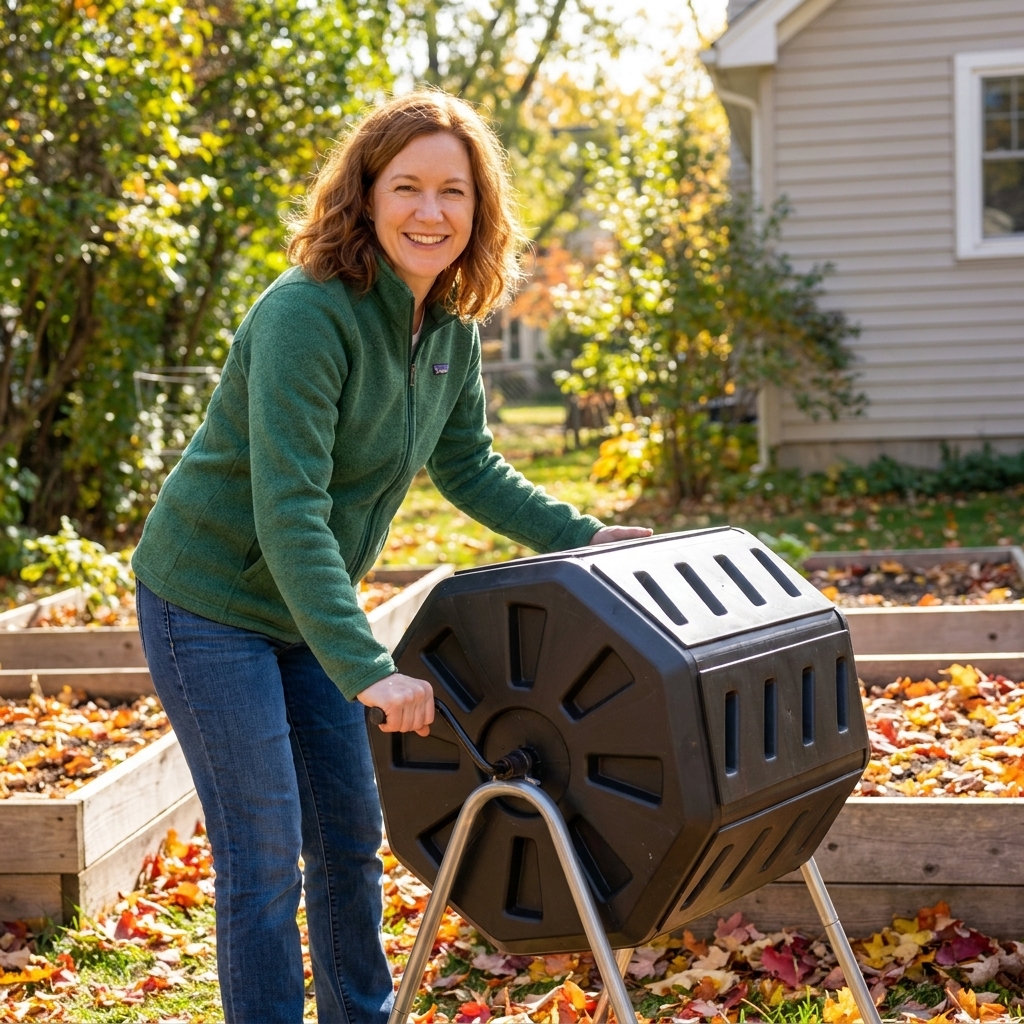
The quick difference
A compost tumbler is a closed drum you rotate to mix materials and pull in oxygen. It is tidy, contained, and easy to turn, but it is limited in size and can dry out faster than you expect.
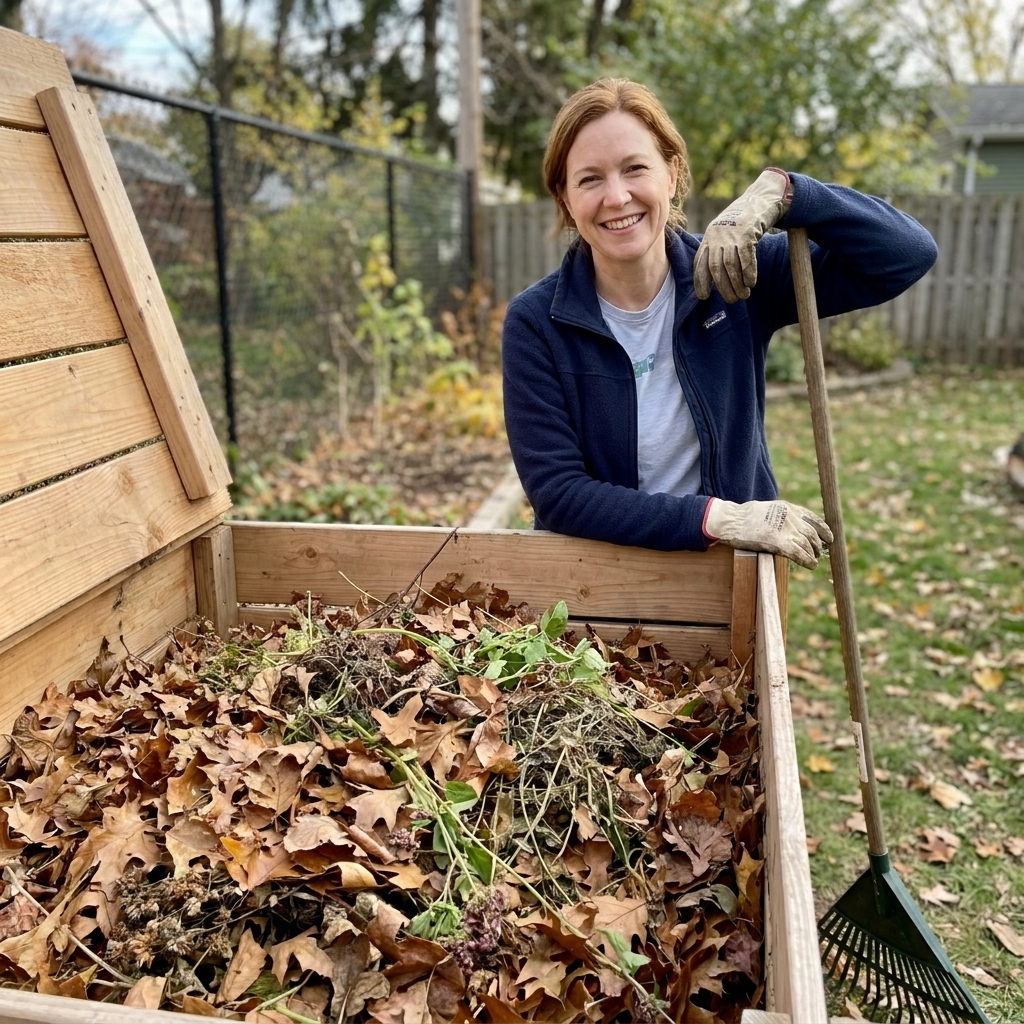
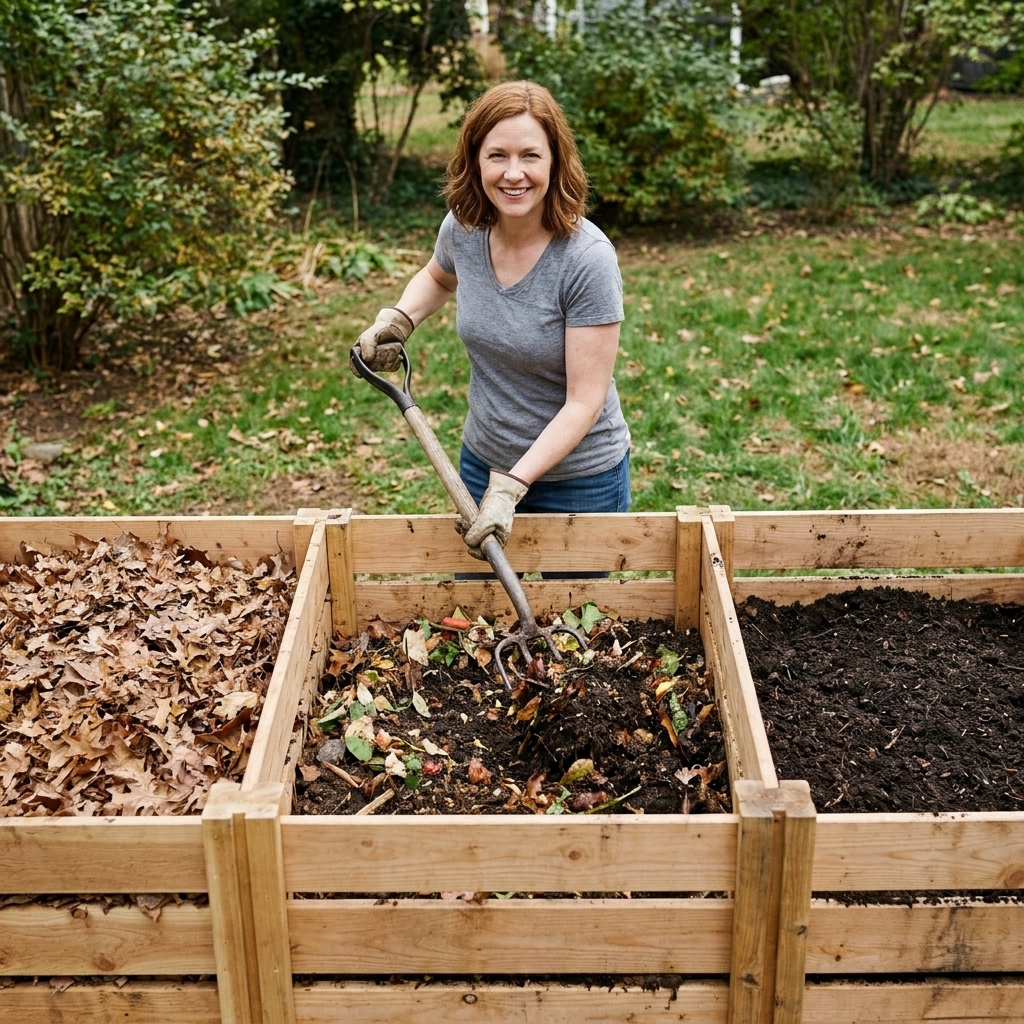
A stationary bin is a fixed container or enclosure where you build a pile and mix it with a fork, shovel, or aerator tool. It can handle a lot more volume and is more forgiving, but it takes more physical effort to turn and can attract pests if it is not managed well.
- If you want tidy and convenient: tumbler.
- If you want capacity and flexibility: stationary bin.
- If you want the fastest compost possible: either can do it, but the “fast” part depends more on moisture, particle size, and the right browns-to-greens mix than the container itself.
Browns, greens, and moisture
If you are brand new, here is the one-minute version that makes every system work better:
- Browns are carbon-rich, dry-ish materials like dead leaves, shredded cardboard, paper bags, and straw.
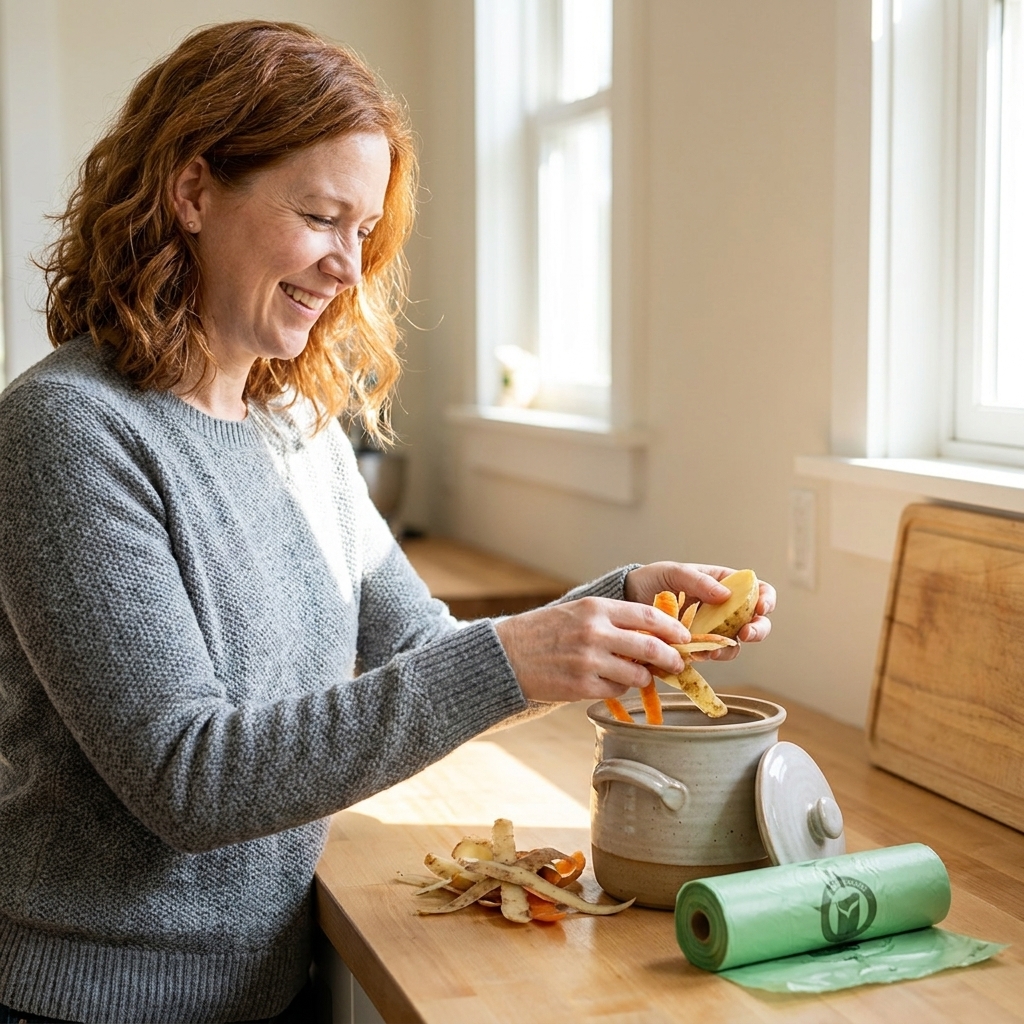
- Greens are nitrogen-rich, wet materials like fruit and veggie scraps, coffee grounds, fresh grass clippings, and fresh plant trimmings.
- Moisture goal: like a wrung-out sponge. Damp, not dripping. If it is dusty, add water. If it is wet and sour-smelling, add browns and air.
Processing speed
How fast a tumbler can go
Tumblers can move quickly because turning is easy and the enclosed drum can help hold moisture and some warmth. The big catch is that many tumblers are small and sit above ground, so they often struggle to maintain long, seed-killing hot phases the way a properly sized pile can.
Also, a tumbler works best in batches. Once it is about two-thirds full (you need headspace so the load can tumble and re-aerate), you ideally stop adding new scraps so the whole mix can finish together.
- Best case (ideal hot-compost conditions): about 4 to 8 weeks for a finished or nearly finished batch in warm weather, with chopped inputs, a good mix, and consistent moisture.
- More common: 8 to 12+ weeks, especially if you keep adding fresh scraps, the load is too dry, or pieces are big.
In winter, many tumblers cool down enough that everything slows to a crawl. Because the drum is off the ground, it loses heat faster than a soil-contact pile, and it does not have as much mass buffering temperature swings.
How fast a stationary bin can go
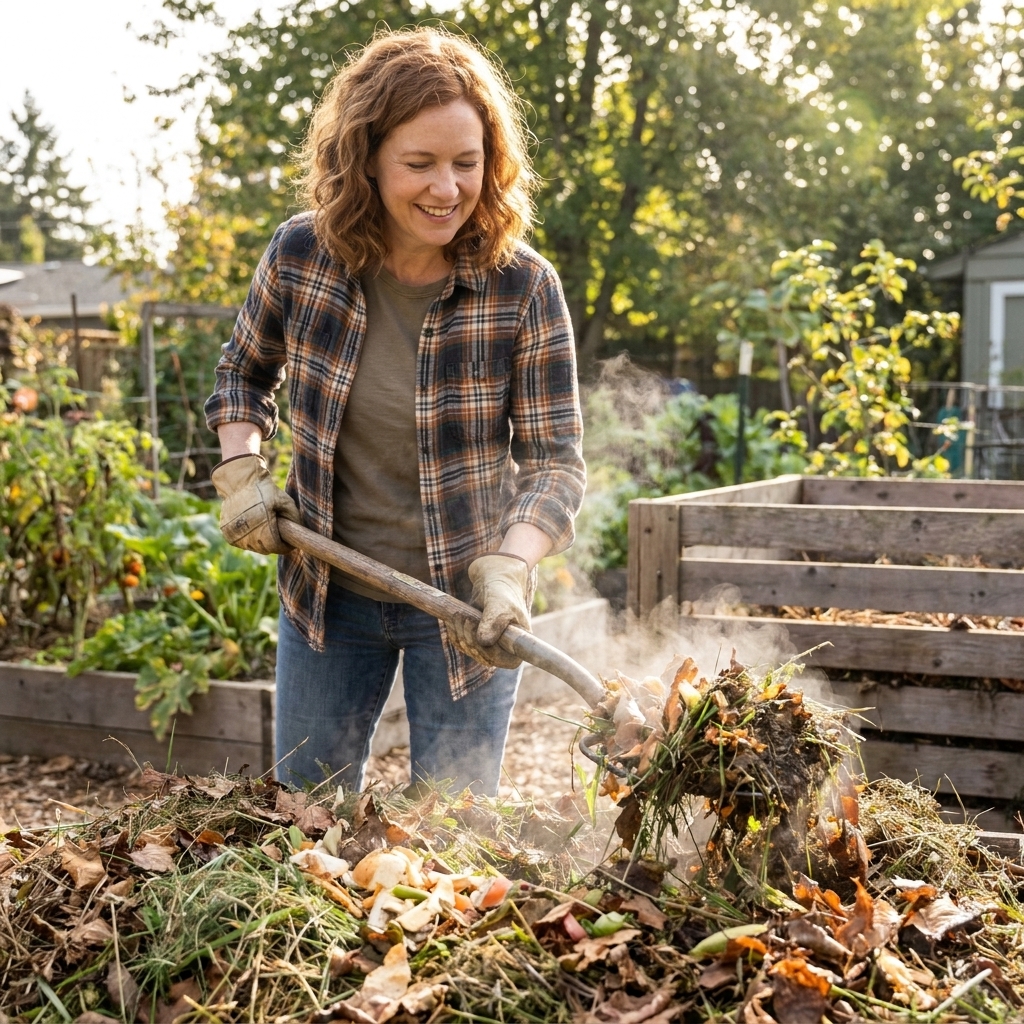
A stationary bin can be impressively fast if you build a big, balanced pile and turn it. The reason is simple: mass equals heat. A larger pile holds heat and moisture more steadily, which keeps microbes working.
If you are chasing hot compost, a classic rule of thumb is a pile around 3 ft x 3 ft x 3 ft (about 1 m cube) or larger. Smaller than that, and it is harder to stay hot.
- Best case (ideal hot-compost conditions): about 4 to 8 weeks in warm weather with regular turning and the right mix.
- More common: 3 to 6 months for a managed bin, longer if you are more of a “toss it in and wait” composter.
If your goal is a steady stream of compost all season, a stationary setup is easier to run continuously, especially if you have space for a second bin or a simple “active pile” and “curing pile” routine.
Maintenance
Tumbler maintenance
A tumbler feels low-maintenance because turning is quick, but it still needs attention in a few specific ways.
- Rotate regularly: a few spins every couple of days is plenty. Too much turning can dump heat and slow the hottest phase. Turn to re-aerate and prevent clumps, not to “exercise” the compost.
- Watch moisture: tumblers dry out surprisingly fast. If the contents look dusty or will not clump when you squeeze a handful, add water and mix.
- Add browns with every kitchen add: a small bucket of shredded leaves, torn cardboard, or paper bags nearby makes this painless.
- Empty on time: because it is a drum, finished compost can sit there getting re-tumbled with new scraps if you do not commit to batch composting.
Stationary bin maintenance
Stationary bins reward you for some basic routines, but they do ask more of your back and shoulders.
- Turn or fluff: weekly is great for faster compost, every couple of weeks still helps. If you never turn, it will still compost, just slower.
- Manage moisture with the weather: rain can make a bin soggy; hot spells can dry it out. A lid or tarp is surprisingly helpful.
- Chop or shred bulky inputs: whole corn stalks and big leaf clumps slow everything down. Smaller pieces compost faster in any system.
- Keep pests out: bury food scraps in the center and avoid meat, dairy, oily foods, and pet waste in a basic backyard bin.
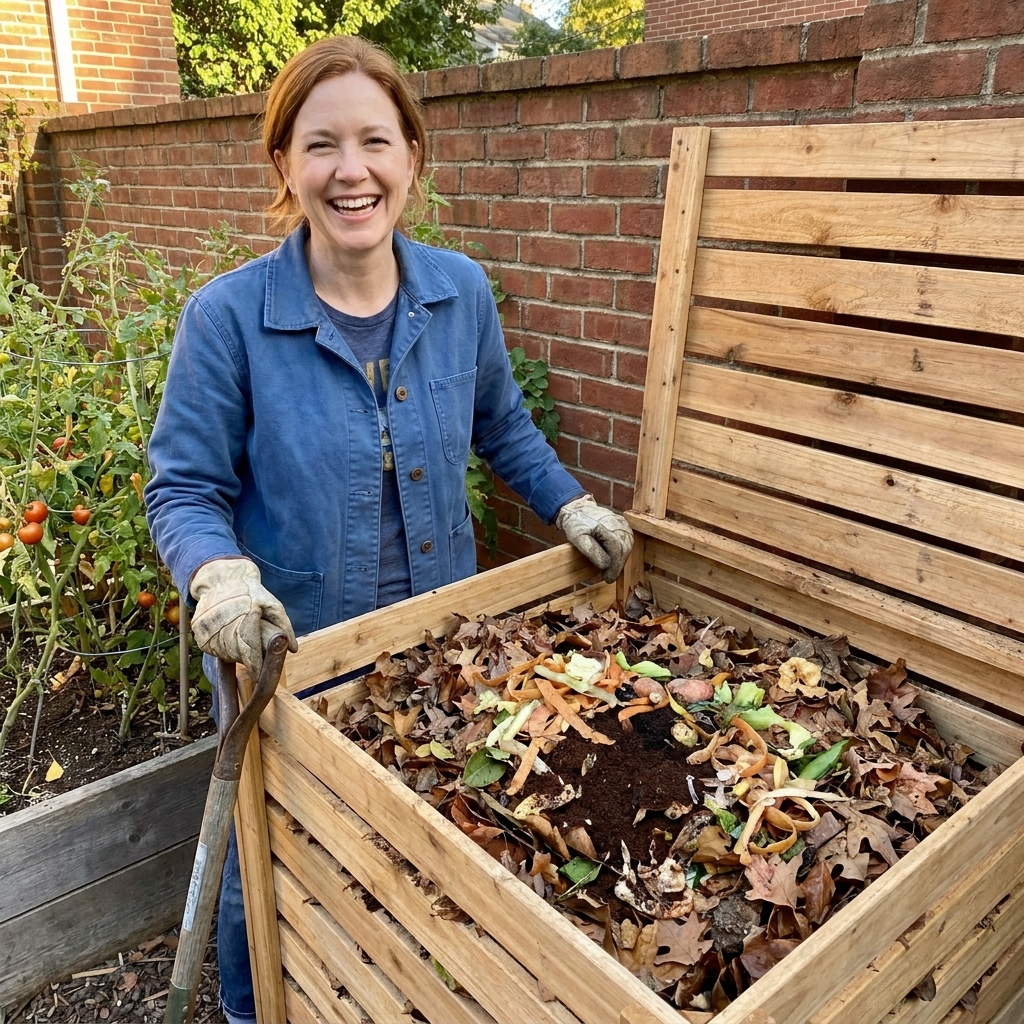
Pros and cons
Compost tumbler: pros
- Easy turning: great if you cannot or do not want to fork a heavy pile.
- Tidy and contained: less mess, fewer flies, and usually fewer critter problems.
- Low-odor when balanced: a closed tumbler tends to stay manageable if you keep up with browns and moisture.
- Works in small spaces: patios, side yards, and tight corners.
Compost tumbler: cons
- Limited capacity: great for kitchen scraps, not great for a full autumn leaf drop.
- Batch-style is best: continuous adding often leads to half-finished compost forever.
- Can dry out: especially in hot, windy weather.
- Clumping happens: wet grass and food scraps can form heavy balls that need breaking up.
Stationary bin: pros
- Handles volume: leaves, weeds, garden cleanup, and a season’s worth of scraps.
- Flexible: you can run it as “slow compost” or turn it into a hot pile when you are motivated.
- Usually better moisture stability: contact with the ground helps buffer drying and supports beneficial organisms.
- Easier to scale: add a second bin for curing and you are suddenly producing a lot more finished compost.
Stationary bin: cons
- Turning is work: the bigger the bin, the heavier the job.
- Can attract pests: if scraps are exposed, the bin is open at the bottom, or you add the wrong stuff.
- Can go anaerobic: wet, compacted piles can smell if they are not aerated.
- Messier footprint: not a big deal in a backyard, but noticeable in a small patio space.
Compost quality
In my experience, the best compost is less about the container and more about what you feed it and how you finish it.
Tumblers often produce compost that is evenly mixed and partially broken down, but it can still need a curing period after you empty it. I like to let tumbler compost sit in a breathable pile or a simple open bin for a few weeks so it cools, mellows out, and finishes.
Stationary bins can produce beautifully mature compost because the pile can sit and cure right there. If you run a two-bin system, you can let one side rest for a full season, which makes the end product extra dark and stable.
Either way, if you want compost that will not temporarily tie up nitrogen in your beds, look for maturity cues: it smells like soil, not garbage; it is cool (not warm in the center); and it is crumbly and fairly uniform, with only a few harmless bits like eggshell flecks.
Space, smell, and critters
If you compost near the house
Tumblers are usually the calmer choice near a patio or back door because they keep scraps enclosed and turning is quick. If you are squeamish about fruit flies or you share space with neighbors close by, a tumbler can feel like a relief.
If you have raccoons, rats, or curious dogs
A closed tumbler with a secure latch is often the safest bet. Stationary bins can still work, but you will want strong hardware cloth on the bottom and sides, a tight lid, and good habits like burying scraps in the center.
If odor is your top fear
Odor is usually a mix problem, not a bin problem. A tumbler can hide mild issues, but it can also get stinky fast if it turns into a wet, airless sludge.
- Bad smell fix, fast: add dry browns, break up clumps, and stop adding wet scraps for a few days.
- If it is soggy: mix in shredded cardboard and vent briefly on a dry day, then close it back up.
Cost and durability
This is not the fun part, but it matters.
- Tumblers usually cost more up front. They can be fantastic, but hinges, latches, and doors are the parts that tend to annoy people over time. Some plastic drums also get brittle after years of UV exposure.
- Stationary bins can be cheap (even free) if you DIY with pallets, wire mesh, or a simple enclosure. They also have fewer moving parts to fail, but they take up more real estate.
Winter tips
- Tumbler: move it into sun if you can, keep it on the moist side (not wet), and consider pausing additions once it is cold enough that nothing is breaking down. If you want to keep composting all winter, a ground-contact pile or bin usually has an easier time staying active.
- Stationary bin: insulate with a thick leaf layer or a tarp, and keep adding browns so the pile does not turn into a frozen lasagna of scraps. Turning can wait until a mild spell.
What not to compost
Rules vary by local guidance and what critters live near you, but for a basic backyard setup these are the usual troublemakers:
- Meat, fish, dairy, oily foods, and pet waste
- Diseased plants (unless you reliably hot compost)
- Persistent weeds and any weeds with seed heads (unless you reliably hot compost)
- Sawdust from treated or painted wood
- Coal or charcoal ash (a small amount of clean wood ash is different, but easy to overdo)
- “Compostable” plastics (many do not break down well in home systems)
Which system fits
Choose a compost tumbler if...
- You mainly compost kitchen scraps and small garden trimmings.
- You want easy turning without a pitchfork workout.
- You have limited space or want a tidy look.
- You are willing to compost in batches, or you can keep a second spot to hold new scraps while a batch finishes.
Choose a stationary bin if...
- You have leaves, weeds, and seasonal garden cleanup to process.
- You want to scale up and make enough compost to actually notice in your beds.
- You are okay turning with a fork or you plan to let it ride and accept slower compost.
- You like the idea of a two-bin flow: one active, one curing.
My favorite compromise: both
If you can swing it, this is the smoothest setup I have used: a tumbler for daily kitchen scraps and a stationary bin for yard waste and curing. The tumbler keeps the day-to-day clean and easy, and the bin gives you the volume and finishing space that tumblers often lack.
Tips that help everything
- Keep a browns stash: a trash can of shredded leaves, torn cardboard, or paper grocery bags solves half of composting problems.
- Chop the big stuff: smaller pieces compost faster. Even tearing cardboard by hand helps.
- Aim for wrung-out sponge moisture: damp, not dripping. Add water if it is dusty; add browns if it is wet.
- Do not obsess over perfection: compost is forgiving. If it smells bad, add browns and air. If it is not breaking down, check moisture and particle size.
- Let compost cure: a short rest period improves texture and reduces the chance of nitrogen immobilization in your beds.
Common questions
Can you compost weeds in a tumbler?
You can compost many weeds, especially if they are young and not seeding. Avoid adding seed heads, and be cautious with perennial spreaders like bindweed or anything with stubborn roots and rhizomes, since they can survive and regrow if they are not fully killed. A truly hot stationary pile is more reliable for killing seeds and roots, but neither system is a magic incinerator if the pile never heats up.
Do tumblers make compost without worms?
Yes. Most tumblers rely mainly on bacteria and fungi because the environment can be warmer, drier, and more disturbed than worms prefer. Worms are more common in ground-contact stationary piles.
Is a tumbler good for fall leaves?
A little, yes. A lot, no. If your yard drops mountains of leaves, a stationary bin or a simple leaf pile will handle volume far better. Shredded leaves are gold in any system, especially as browns to balance kitchen scraps.
Why is my tumbler full but not finished?
The usual culprits are too many greens, not enough browns, clumping, or composting continuously instead of letting a batch finish. Add shredded cardboard, break up wet balls, and consider pausing new additions until the batch looks mostly uniform and soil-like.
If you are on the fence, pick the system that matches your most ordinary week, not your best week. The compost you actually maintain beats the perfect setup you avoid because it feels like homework.